
Dinagyang Festival
A street dance festival in Iloilo City honoring the Santo Niño and Ati history
Dinagyang Festival is a yearly celebration in Iloilo City, Philippines, held every fourth Sunday of January. It honors the Santo Niño (Holy Child) and commemorates the pact between Malay settlers and the Ati people, featuring street dancing, drum music, and elaborate costumes in a major citywide event.
Watch it dancedShare on WhatsApp
- Held every fourth Sunday of January in Iloilo City
- Features the Ati Tribes Competition with elaborate costumes
- Dancers perform in groups to drum and percussion music
- Includes illuminated costume parades called ILOmination
- Celebrates the Santo Niño and Ati-Malay history
What is Dinagyang Festival?
Dinagyang Festival is a large-scale street dance event held in Iloilo City, Philippines. Groups called tribes perform choreographed routines in costumes inspired by the Ati people, with feathered headdresses, beads, and painted skin. The dancers move in intricate group patterns, chanting and keeping time with loud drums and percussion. The festival fills the city with music, color, and energetic movement, drawing huge crowds each January.
Where does Dinagyang Festival come from?
The festival began in 1968, inspired by the Ati-Atihan of Aklan and the arrival of a Santo Niño image in Iloilo. It was originally called Iloilo Ati-Atihan, with early celebrations modeled on dances of the Ati people. In 1977, 'Dinagyang' became its name to distinguish it from other festivals, and it grew into a major event with support from local government and sponsors. The festival commemorates both the Christian devotion to the Holy Child and the legendary barter of Panay between Malay settlers and the Ati.
How is Dinagyang Festival danced?
Dancers in the Ati Tribes Competition perform in large groups, forming shifting patterns and synchronized lines. Movements are energetic, with strong footwork, jumps, and rhythmic arm gestures. The choreography is designed for spectacle, using mobile risers and props to add height and drama. Dancers chant together and respond to the beat of drums, creating a powerful group presence as they move through the streets or perform on stage.
Dinagyang Festival, drawn
The music of Dinagyang Festival
Music is central to Dinagyang, with each tribe accompanied by a drum ensemble and improvised percussion. The rhythm is fast and driving, setting the pace for the dancers. Some groups use 'Dinagyang pipes,' PVC tubes struck with paddles to create unique sounds. The festival's theme song, 'Hala Bira, Iloilo!', is played throughout the city, and chanting by dancers adds to the festive atmosphere.
Costume and what is carried
Performers wear elaborate costumes inspired by the Ati, featuring large feathered headdresses, beads, and colorful fabrics. Skin is painted dark to represent the Ati people, and costumes are decorated with indigenous-style materials. For the ILOmination parade, costumes are illuminated with lights. The overall look is striking and theatrical, designed to stand out in the street and under stage lights.


When and where Dinagyang Festival is danced
Dinagyang is held annually on the fourth Sunday of January, with events starting in December. The main highlights are the Ati Tribes Competition, Kasadyahan cultural showcase, and ILOmination night parade. The festival is organized by the Iloilo Festivals Foundation and involves schools, communities, and sponsors. It is a time for religious processions, street parties, and citywide celebration.
Styles of Dinagyang Festival
The festival includes several major events: the Ati Tribes Competition, Kasadyahan Festival (a showcase of regional culture), and ILOmination, a parade with illuminated costumes. Over time, school-based tribes have introduced new choreography and props. The Kasadyahan Festival has shifted in format and management, and ILOmination was recently added to highlight lighted costumes and floats.
What Dinagyang Festival means
Dinagyang is a symbol of Iloilo City's identity and is known for its innovations in festival performance. It celebrates both Christian devotion and the region's legendary history. While inspired by Ati culture, the actual Ati people are mostly symbolic participants, with some invited to perform non-competitively. The festival has influenced other Philippine celebrations and is recognized for its crowd participation and signature chants.
Questions people ask about Dinagyang Festival
Where does the Dinagyang Festival take place?
Dinagyang Festival is held in Iloilo City, on Panay Island in the Philippines. The main events happen in the downtown area and business districts, with performances on multiple stages and in the streets.
When is the Dinagyang Festival celebrated?
It is celebrated every year on the fourth Sunday of January, with related events starting in December and building up to the main weekend.
Why is the Dinagyang Festival held?
The festival honors the Santo Niño (Holy Child) and marks the legendary pact between Malay settlers and the Ati people, celebrating both Christian devotion and local history.
What happens during the Dinagyang Festival?
The festival features group dance competitions, parades with illuminated costumes, religious processions, and street parties. Dancers wear Ati-inspired costumes and perform to drum music and chanting.
Who dances in the Dinagyang Festival?
Most dancers are students or community members organized into tribes, with both men and women participating. The actual Ati people are sometimes invited for non-competitive performances.
Good reading and sources
- Dinagyang on WikipediaEncyclopedia
- More photos and video on Wikimedia CommonsPhotos and video
- Wikidata recordOpen data
- Videos of Dinagyang Festival on YouTubeSearch results, not chosen by Ghungroo
The facts on this page come from the Wikipedia article "Dinagyang", written by its contributors and used under the CC BY-SA 4.0 licence, and from its Wikidata record (CC0). Ghungroo rewrote the text in its own words, with AI assistance, and compares every page with the article to make sure no passage is copied. It may be reused under the same CC BY-SA 4.0 licence with a link back.
It may contain mistakes, and it describes the dance in outline: it is not a lesson. Traditions differ from one teacher, village or family to the next. If something is wrong, tell us. Last refreshed 2026-10-03.
More from the Philippines
All the dances of the Philippines 🇨🇿 Czech Republic and 5 morePolka
A lively partner dance in 2/4 time from 19th-century BohemiaFolk dance · Couple · Circle
🇨🇿 Czech Republic and 5 morePolka
A lively partner dance in 2/4 time from 19th-century BohemiaFolk dance · Couple · Circle
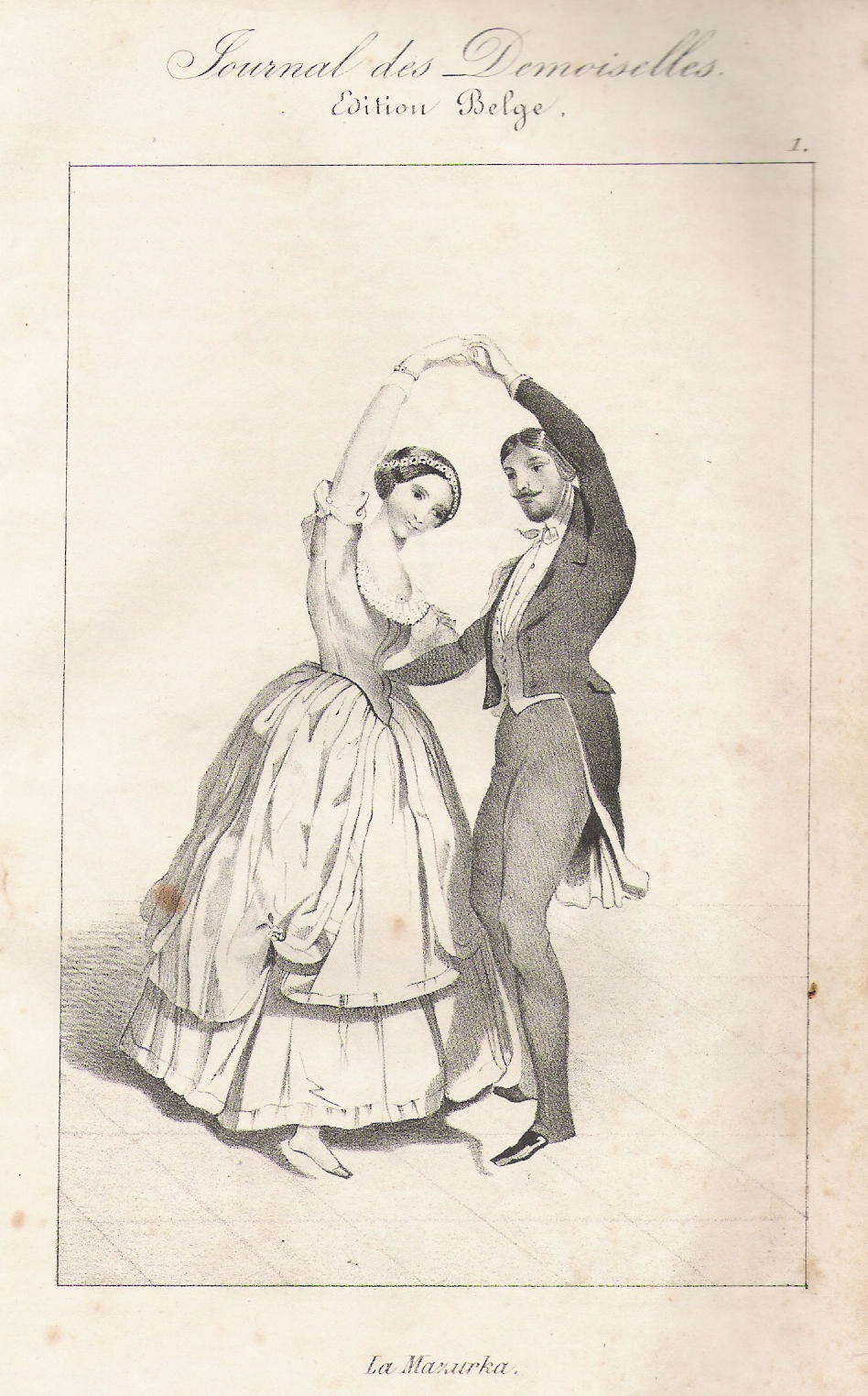 🇵🇱 Poland and 5 moreMazurka
A lively Polish folk dance in triple time, known for its shifting accentsFolk dance · Couple · Group
🇵🇱 Poland and 5 moreMazurka
A lively Polish folk dance in triple time, known for its shifting accentsFolk dance · Couple · Group
 🇪🇸 Spain and 4 moreFandango
A lively Spanish partner dance in triple meter, accompanied by guitars and castanets.Folk dance · Couple · Group
🇪🇸 Spain and 4 moreFandango
A lively Spanish partner dance in triple meter, accompanied by guitars and castanets.Folk dance · Couple · Group
 🇵🇭 PhilippinesTinikling
A Philippine dance where dancers step between moving bamboo polesFolk dance · Group
🇵🇭 PhilippinesTinikling
A Philippine dance where dancers step between moving bamboo polesFolk dance · Group
Its cousins elsewhere
All folk dances 🇧🇪 Belgium and 5 moreProcessional giant
Huge costumed figures carried and danced in European street processionsFolk dance · Solo · Procession
🇧🇪 Belgium and 5 moreProcessional giant
Huge costumed figures carried and danced in European street processionsFolk dance · Solo · Procession
 🇧🇧 BarbadosBarbados Land-ship
A parade and dance tradition in Barbados, mimicking naval maneuvers on landFolk dance · Group · Procession
🇧🇧 BarbadosBarbados Land-ship
A parade and dance tradition in Barbados, mimicking naval maneuvers on landFolk dance · Group · Procession
 🇫🇷 FranceFarandolefarandola
A long chain dance of Provence, led by a drummer with a tambourine and flute.Folk dance · Group
🇫🇷 FranceFarandolefarandola
A long chain dance of Provence, led by a drummer with a tambourine and flute.Folk dance · Group
 🇧🇴 Bolivia and 2 moreDiablada
A masked devil dance from the Andes, led by Saint Michael at CarnivalFolk dance · Procession · Group
🇧🇴 Bolivia and 2 moreDiablada
A masked devil dance from the Andes, led by Saint Michael at CarnivalFolk dance · Procession · Group