Yak dance
A Himalayan masked pantomime honoring the yak during the Losar festival
The Yak dance is an Asian folk pantomime from Himalayan regions such as Ladakh, Sikkim, and Arunachal Pradesh. Performed during the Losar festival to honor the yak, the dance dramatizes its mythical discovery by masked figures.
Watch it dancedShare on WhatsApp
- Honors the yak during Losar, the Tibetan New Year festival.
- Features a masked performer dancing as a yak with a rider on its back.
- Enacts the legend of the Theopa Gali family guided by a magical bird.
- Won first prize as Arunachal Pradesh's Republic Day tableau in 2017.
What is Yak dance?
The Yak dance, also called Yak Chham, is an Asian folk pantomime found in the Indian Himalayas. It is closely tied to Mahayana Buddhist tribal communities in Arunachal Pradesh, as well as performers across Sikkim, Ladakh, and border areas near Assam. In the presentation, a masked figure represents the animal itself, while another individual rides atop its back. Performers enact an ancient tale honoring this crucial highland creature, staging the moment humans first encountered the animal. The dance blends theatrical storytelling with celebratory community performance during seasonal gatherings.
Where does Yak dance come from?
The traditional narrative behind the dance centers on an old story about the Theopa Gali family. According to tribal lore from centuries ago, these family members went searching across the mountains and discovered the first yak. They achieved this with the guidance of a magical bird. The performance arose as a tribute to that momentous finding, preserving the legend of how local communities first established their bond with yaks. Over the generations, Mahayana Buddhist tribes have continued to stage this pantomime to keep the memory alive.
When and where Yak dance is danced
This pantomime takes place during major regional festivities, especially Losar, which marks the Tibetan New Year. Communities gather to honor the animal's contribution to high-altitude life through theatrical enactment. In addition to local calendar events, the dance has appeared on national platforms, such as the 2017 Republic Day celebration in New Delhi.
What Yak dance means
The dance holds major cultural value for Mahayana Buddhist groups across Arunachal Pradesh and neighboring Himalayan territories. It celebrates the deep connection between highland people and the yak. On the national stage, Arunachal Pradesh featured the tradition in its official tableau during the 2017 Republic Day parade along Rajpath in New Delhi, where the display earned first prize among twenty-three competing presentations.
Days Yak dance is danced for
Questions people ask about Yak dance
Where does the Yak dance come from?
The dance comes from Himalayan areas in India, including Arunachal Pradesh, Sikkim, Ladakh, and areas near Assam. It is kept as a tradition by Mahayana Buddhist tribal communities.
When is the Yak dance performed?
Performers stage the dance during Losar, the Tibetan New Year, to show respect and honor to the yak. It is also showcased at cultural exhibitions and national parades.
What story does the dance tell?
The dance portrays the Theopa Gali family, who according to legend discovered the yak hundreds of years ago after being guided by a magical bird.
Good reading and sources
- Yak dance on WikipediaEncyclopedia
- Wikidata recordOpen data
- Videos of Yak dance on YouTubeSearch results, not chosen by Ghungroo
The facts on this page come from the Wikipedia article "Yak dance", written by its contributors and used under the CC BY-SA 4.0 licence, and from its Wikidata record (CC0). Ghungroo rewrote the text in its own words, with AI assistance, and compares every page with the article to make sure no passage is copied. It may be reused under the same CC BY-SA 4.0 licence with a link back.
It may contain mistakes, and it describes the dance in outline: it is not a lesson. Traditions differ from one teacher, village or family to the next. If something is wrong, tell us. Last refreshed 2026-10-03.
More from India
All the dances of India 🇮🇳 India and 1 moreFolk dance
Traditional group dances rooted in local life and passed down through generationsFolk dance · Group · Circle
🇮🇳 India and 1 moreFolk dance
Traditional group dances rooted in local life and passed down through generationsFolk dance · Group · Circle
 🇮🇳 IndiaDhunuchi nritya
A dance with incense burners during Durga Puja in BengalFolk dance · Solo · Group
🇮🇳 IndiaPaika akhada
A martial dance with swords and shields from Odisha, rooted in warrior trainingWar or martial dance · Group · Line or chain
🇮🇳 IndiaDhunuchi nritya
A dance with incense burners during Durga Puja in BengalFolk dance · Solo · Group
🇮🇳 IndiaPaika akhada
A martial dance with swords and shields from Odisha, rooted in warrior trainingWar or martial dance · Group · Line or chain
 🇮🇳 IndiaRamlilaरामलीला
A folk drama of the Ramayana, staged outdoors during Navaratri and DussehraFolk dance · Group · Procession
🇮🇳 IndiaRamlilaरामलीला
A folk drama of the Ramayana, staged outdoors during Navaratri and DussehraFolk dance · Group · Procession
Its cousins elsewhere
All folk dances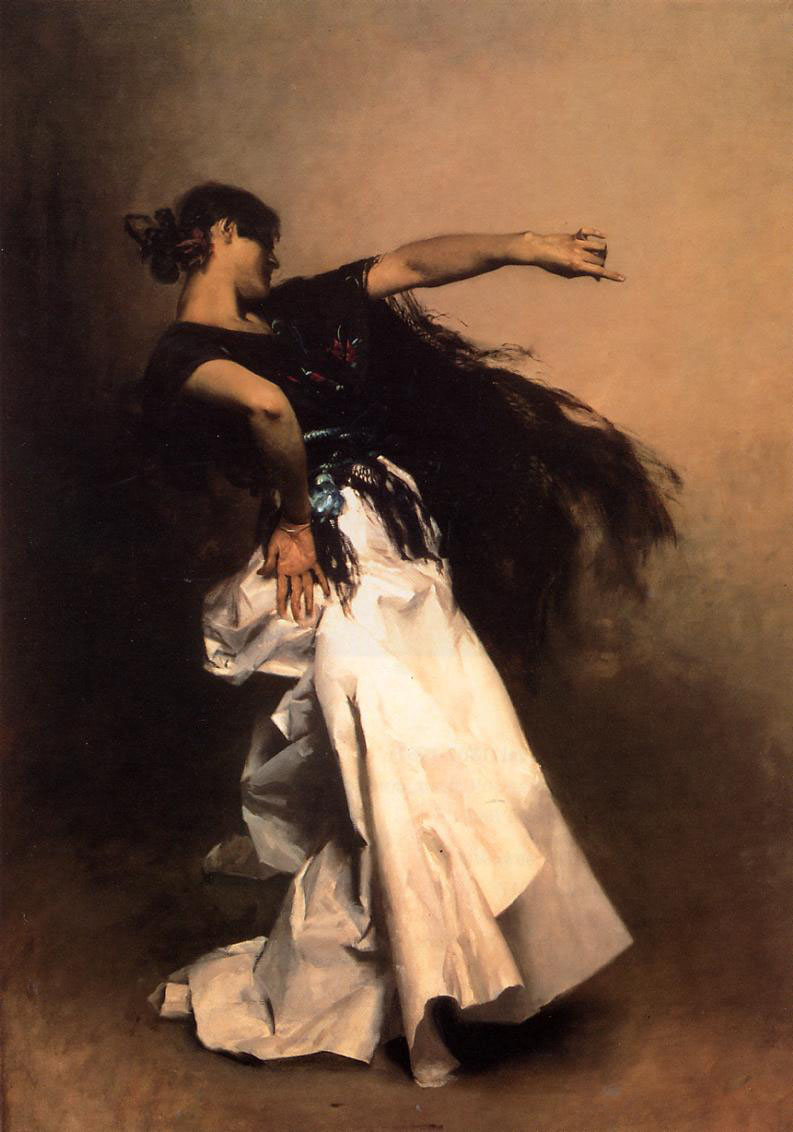 🇪🇸 SpainFlamenco
A dramatic dance and music tradition rooted in Andalusia's gitano and folk culturesFolk dance · Solo · Group
🇪🇸 SpainFlamenco
A dramatic dance and music tradition rooted in Andalusia's gitano and folk culturesFolk dance · Solo · Group
 🇦🇷 Argentina and 1 moreTango
A partner dance from the Río de la Plata, danced in close or open embraceSocial dance · Couple
🇦🇷 Argentina and 1 moreTango
A partner dance from the Río de la Plata, danced in close or open embraceSocial dance · Couple
 🇦🇹 Austria and 4 moreWaltz
A turning couple dance in triple time, first popular in 18th-century EuropeBallroom or Latin dance · Couple
🇦🇹 Austria and 4 moreWaltz
A turning couple dance in triple time, first popular in 18th-century EuropeBallroom or Latin dance · Couple
 🇧🇷 BrazilCapoeira
A Brazilian martial art that blends dance, acrobatics, and music in a circle gameWar or martial dance · Circle · Solo
🇧🇷 BrazilCapoeira
A Brazilian martial art that blends dance, acrobatics, and music in a circle gameWar or martial dance · Circle · Solo