
Kabuki
In its own language: 歌舞伎
A stylised Japanese theatre form using dance, drama and elaborate makeup.
Kabuki is a classical Japanese theatre style that blends dramatic acting with traditional dance. It originated in the early seventeenth century as a female performance art before evolving into an all-male tradition following government bans on women and boys.
Watch it dancedShare on WhatsApp
- Originated in 1603 with female performer Izumo no Okuni in Kyoto.
- Banned women from performing in 1629, leading to all-male casts.
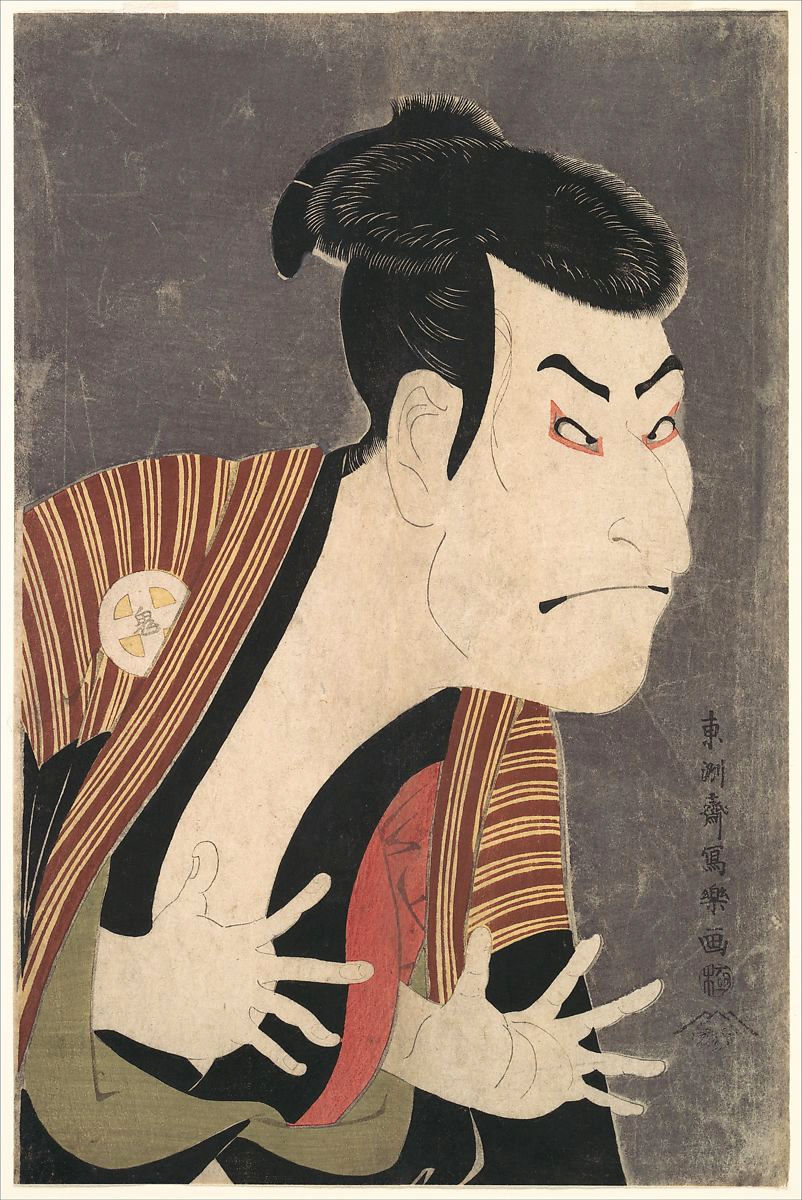
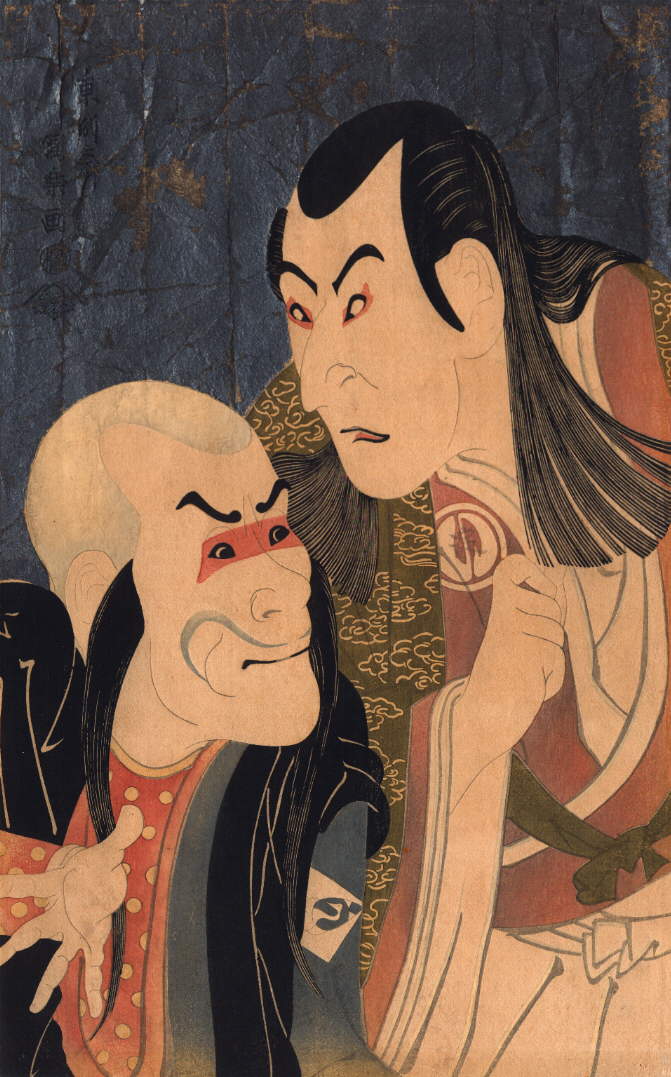
- Features stylised kumadori makeup and dramatic mie poses.
- UNESCO inscribed it as Intangible Cultural Heritage in 2008.
- Uses instruments like the shamisen and kiyomoto music styles.
What is Kabuki?
Kabuki is a classical Japanese theatre form known for its highly stylised performances and glamorous costumes. The name derives from verbs meaning to lean or be out of the ordinary, reflecting its avant-garde origins. Performers wear elaborate kumadori makeup to highlight facial features and emotions. The art form mixes dramatic dialogue with traditional dance, creating a unique theatrical experience that has captivated audiences for centuries.
Where does Kabuki come from?
The tradition began around 1603 when Izumo no Okuni, likely a former shrine maiden, formed a female troupe in Kyoto. They performed simple dance dramas in the dry bed of the Kamo River. Initially featuring both men and women playing various roles, the genre became popular for its ribald themes. In 1629, authorities banned women from performing due to moral concerns. The art then transitioned to young boys, but this too was restricted. By the mid-seventeenth century, adult male actors took over, establishing the all-male yarō-kabuki style that persists today.
How is Kabuki danced?
Performances are heavily stylised, relying on exaggerated movements and poses rather than naturalistic acting. A key feature is the mie, a dramatic pose where actors cross their eyes and strike a stance to emphasize a character's emotion. Actors use specific hand gestures and body postures to convey narrative elements. The choreography integrates traditional dance steps with theatrical dialogue. Onnagata, or female role specialists, use graceful movements to portray women, while other actors employ more robust physicality for male characters. The pacing varies between intense dramatic scenes and rhythmic dance sequences.
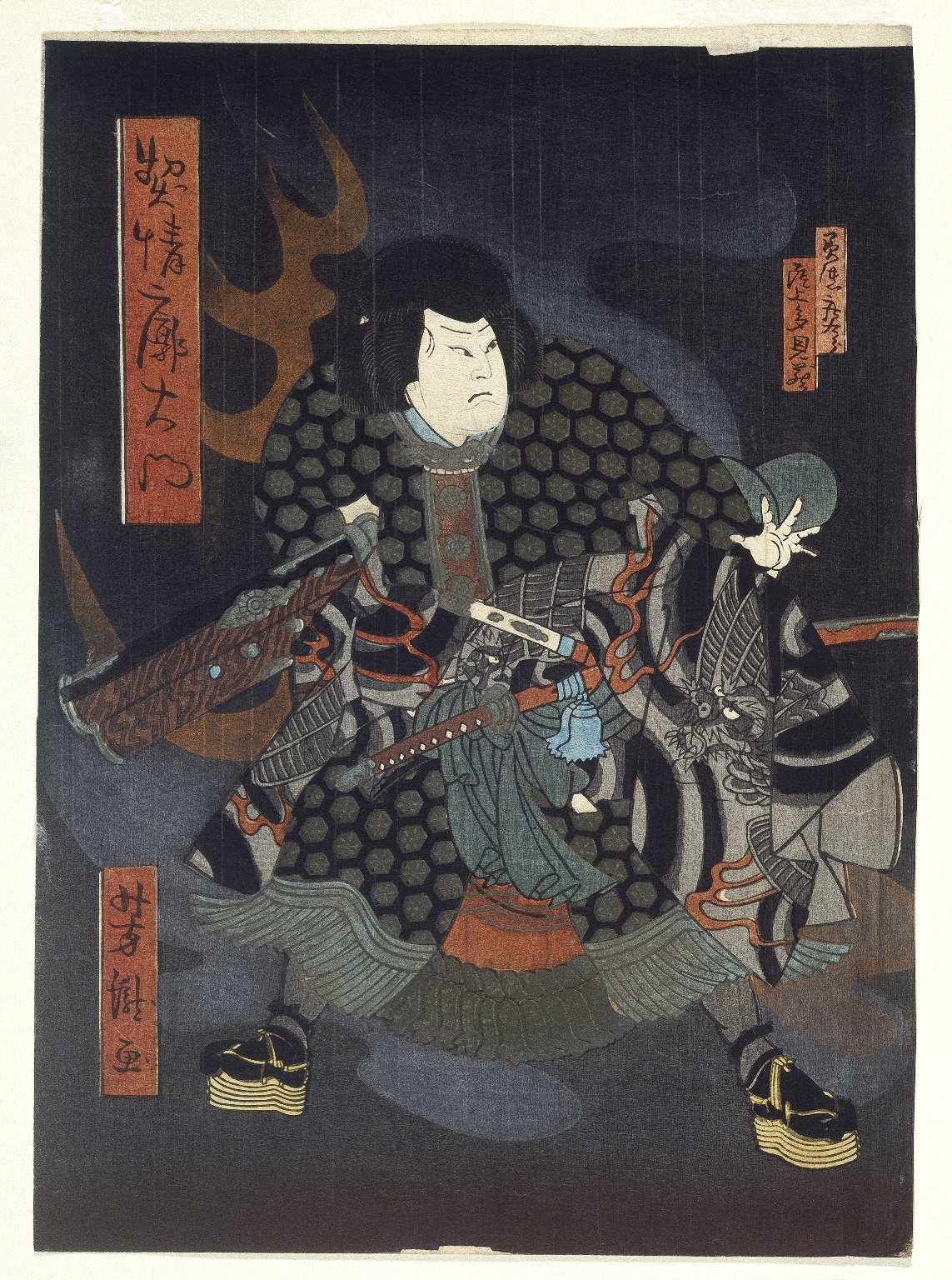
Kabuki, drawn
The music of Kabuki
The musical accompaniment includes the shamisen, a three-stringed instrument central to the sound of kabuki. Traditional music styles such as kiyomoto provide rhythmic structure for the performances. Playwrights like Kawatake Mokuami introduced specific syllable meters, such as shichigo-cho, which influenced the musical phrasing of dialogue. The music supports the emotional tone of the scene, shifting to match the action on stage. Live musicians often play alongside the performers, enhancing the dramatic impact of the dance and dialogue.
Costume and what is carried
Actors wear highly decorated, glamorous costumes that reflect their character's status and personality. The most distinctive visual element is the kumadori makeup, applied in bold lines to exaggerate facial expressions and denote character traits. Some roles may involve mask-like applications of paint rather than removable masks. The clothing is often heavy and ornate, requiring careful movement by the performers. Fashion trends in the Edo period heavily influenced these designs, making the costumes a showcase of contemporary style as well as theatrical artistry.

When and where Kabuki is danced
Kabuki is performed in dedicated theatres, such as the historic Nakamura-za and Ichimura-za in Tokyo. It serves as a major cultural performance art, presented to general audiences rather than solely for religious or courtly rituals. The tradition has been preserved through formal training and lineage among actor families. In 2005, UNESCO recognized kabuki as an intangible cultural heritage possessing outstanding universal value, leading to its inscription on the Representative List in 2008. This status helps sustain the practice and encourages new generations to learn the craft.
Styles of Kabuki
The art form evolved through several distinct periods, each influencing its style. The Genroku period saw the formalization of play structures and the rise of famous playwrights like Chikamatsu Monzaemon. Later, the Saruwaka-machi period introduced more exaggerated performances due to relocation restrictions. Modern kabuki continues to adapt, with contemporary playwrights experimenting with new genres while maintaining traditional techniques. Regional variations exist, though the Tokyo-based styles remain the most prominent. The integration of bunraku puppet theater influences also shaped its development.
What Kabuki means
Kabuki holds a significant place in Japanese cultural identity as a classical art form. It reflects historical social changes, from its roots in pleasure districts to its current status as high culture. The ban on love suicide plays in 1723 shows how the government regulated its content. Today, it is celebrated globally for its aesthetic uniqueness and historical continuity. The UNESCO designation underscores its importance to humanity's cultural heritage. Actor lineages preserve specific performance styles, ensuring that traditional techniques are passed down accurately through generations.
Questions people ask about Kabuki
What does the word kabuki mean?
The word derives from the verb kabuku, meaning to lean or be out of the ordinary. It can be interpreted as avant-garde or bizarre theatre, reflecting its original unconventional nature.
Who performs in kabuki today?
Modern kabuki is performed exclusively by men. After bans on women and young boys in the seventeenth century, adult male actors took over all roles, including those portraying women, known as onnagata.
Where did kabuki originate?
It began in Kyoto around 1603. Izumo no Okuni performed dance dramas in the dry bed of the Kamo River, starting a tradition that spread across Japan and evolved into a major theatrical form.
What makes kabuki visually distinct?
It is known for elaborate, decorated costumes and kumadori makeup. This bold face paint highlights facial features and emotions, helping the audience understand character traits from a distance.
Is kabuki considered a dance?
Yes, it is a classical form of Japanese theatre that mixes dramatic performance with traditional dance. The integration of movement, music, and dialogue creates a unique hybrid art form.
Good reading and sources
- Kabuki on WikipediaEncyclopedia
- More photos and video on Wikimedia CommonsPhotos and video
- Wikidata recordOpen data
- Videos of Kabuki on YouTubeSearch results, not chosen by Ghungroo
The facts on this page come from the Wikipedia article "Kabuki", written by its contributors and used under the CC BY-SA 4.0 licence, and from its Wikidata record (CC0). Ghungroo rewrote the text in its own words, with AI assistance, and compares every page with the article to make sure no passage is copied. It may be reused under the same CC BY-SA 4.0 licence with a link back.
It may contain mistakes, and it describes the dance in outline: it is not a lesson. Traditions differ from one teacher, village or family to the next. If something is wrong, tell us. Last refreshed 2026-10-03.
More from Japan
All the dances of Japan 🇯🇵 Japan and 2 moreButoh舞踏 (Butō)
A Japanese dance theatre form known for slow, controlled movement and white body makeup.Dance-drama · Solo · Group
🇯🇵 Japan and 2 moreButoh舞踏 (Butō)
A Japanese dance theatre form known for slow, controlled movement and white body makeup.Dance-drama · Solo · Group
 🇯🇵 JapanNihon-buyō日本舞踊
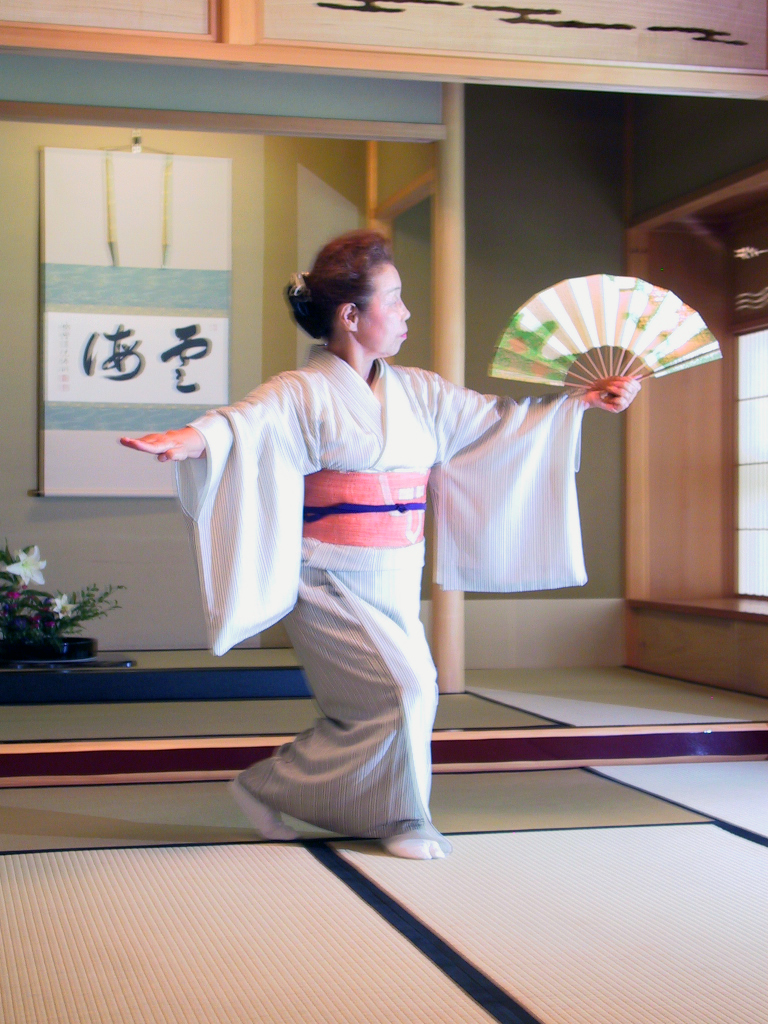
A classical Japanese stage dance refined from kabuki and older traditions.Classical dance · Solo · Group
🇯🇵 JapanNihon-buyō日本舞踊
A classical Japanese stage dance refined from kabuki and older traditions.Classical dance · Solo · Group
 🇯🇵 JapanNoh能
A masked dance-drama of Japan, performed since the fourteenth century.Classical dance · Group
🇯🇵 JapanNoh能
A masked dance-drama of Japan, performed since the fourteenth century.Classical dance · Group
 🇺🇸 United States and 5 moreBreakdancing
A street dance with acrobatics, floorwork and freezes, born in 1970s New York CityStreet or club dance · Solo · Group
🇺🇸 United States and 5 moreBreakdancing
A street dance with acrobatics, floorwork and freezes, born in 1970s New York CityStreet or club dance · Solo · Group
Its cousins elsewhere
All classical dances 🇮🇹 Italy and 2 moreBallet
A highly technical stage dance with its own steps and styles, shaped in France and RussiaClassical dance · Solo · Group
🇫🇷 FranceMinuetmenuet
A French social dance for two people in triple time, known for its graceful and controlled steps.Social dance · Couple
🇮🇹 Italy and 2 moreBallet
A highly technical stage dance with its own steps and styles, shaped in France and RussiaClassical dance · Solo · Group
🇫🇷 FranceMinuetmenuet
A French social dance for two people in triple time, known for its graceful and controlled steps.Social dance · Couple
 🇫🇷 FranceBourrée
A lively French dance in double or triple time, once found in both villages and courtsFolk dance · Couple · Circle
🇫🇷 FranceBourrée
A lively French dance in double or triple time, once found in both villages and courtsFolk dance · Couple · Circle
 🇮🇹 Italy and 3 moreClassical ballet
A formal stage dance using turnout, pointe work and precise, flowing movementClassical dance · Solo · Group
🇮🇹 Italy and 3 moreClassical ballet
A formal stage dance using turnout, pointe work and precise, flowing movementClassical dance · Solo · Group