
Barynya
In its own language: барыня
A fast Russian folk dance with squats, jumps and comic song
Barynya is a lively folk dance from the Central Russian Upland, performed by Russians to quick music. Dancers alternate energetic steps like squatting and stomping with short, often humorous songs called chastushkas. The balalaika and garmon usually accompany the dance, which has both informal and staged forms.
Watch it dancedShare on WhatsApp
- Alternates comic song with energetic dance steps
- Features deep squats, jumps, spins and stomping
- Accompanied by balalaika and garmon
- Originated in the Central Russian Upland
- No fixed choreography in traditional versions
What is Barynya?
Barynya is a Russian folk dance known for its speed and high energy. It is performed to lively music, with dancers moving in groups. The dance features quick alternations between singing short, comic verses and bursts of vigorous movement. Steps include deep squats, jumps, spins, and strong stomping. The music is played on folk instruments like the balalaika, a stringed instrument, and the garmon, a type of button accordion. The mood is playful, and the dance is often loud and spirited.
Where does Barynya come from?
Barynya began in the Central Russian Upland and is rooted in Russian village tradition. The name comes from a term for a woman of high status, 'barynya', which means 'landlady'. The dance did not start with set choreography; instead, it grew from spontaneous movement and song. Over time, more polished stage versions developed, but the core of the dance remains informal and tied to rural life.
How is Barynya danced?
The dance alternates between singing and energetic movement. Dancers squat deeply, jump, spin, and stomp their feet in time with the music. There is no fixed choreography in traditional barynya, so each group brings its own style. The group may move together or take turns performing solos. The overall effect is one of exuberance and humor.
Barynya, drawn
The music of Barynya
Barynya is accompanied by the balalaika and garmon, which give the music a bright, rhythmic sound. The songs, called chastushkas, are short and often comic, sometimes with a playful or risqué edge. The music is fast-paced, matching the lively steps of the dance. Refrains like 'Barynya, barynya, sudarynya-barynya' are common.
Styles of Barynya
While barynya started as a spontaneous village dance, there are now more refined, staged versions performed by folk ensembles. These versions may add choreography and costumes, but the basic elements of squatting, jumping, and comic song remain. Some groups and dance troupes are named after the dance itself.
What Barynya means
Barynya is a symbol of Russian folk tradition and rural humor. The dance is recognized for its playful spirit and is performed by Russians at gatherings and on stage. Its comic songs and energetic steps reflect the everyday life and wit of the people who created it.
Questions people ask about Barynya
Where does barynya come from?
Barynya originated in the Central Russian Upland and is part of Russian folk tradition.
Who performs barynya?
Anyone can dance barynya, as it is a group folk dance without restrictions on who may join.
What music is used for barynya?
The dance is accompanied by the balalaika and garmon, with fast-paced, comic songs called chastushkas.
What are the main steps in barynya?
Barynya features deep squats, jumps, spins, and spirited stomping, often improvised by the dancers.
Is barynya performed on special occasions?
The sources do not specify particular occasions, but it is performed at gatherings and by folk ensembles.
Good reading and sources
- Barynya on WikipediaEncyclopedia
- More photos and video on Wikimedia CommonsPhotos and video
- Wikidata recordOpen data
- Videos of Barynya on YouTubeSearch results, not chosen by Ghungroo
The facts on this page come from the Wikipedia article "Barynya", written by its contributors and used under the CC BY-SA 4.0 licence, and from its Wikidata record (CC0). Ghungroo rewrote the text in its own words, with AI assistance, and compares every page with the article to make sure no passage is copied. It may be reused under the same CC BY-SA 4.0 licence with a link back.
It may contain mistakes, and it describes the dance in outline: it is not a lesson. Traditions differ from one teacher, village or family to the next. If something is wrong, tell us. Last refreshed 2026-10-03.
More from Russia
All the dances of Russia 🇦🇹 Austria and 4 moreWaltz
A turning couple dance in triple time, first popular in 18th-century EuropeBallroom or Latin dance · Couple
🇦🇹 Austria and 4 moreWaltz
A turning couple dance in triple time, first popular in 18th-century EuropeBallroom or Latin dance · Couple
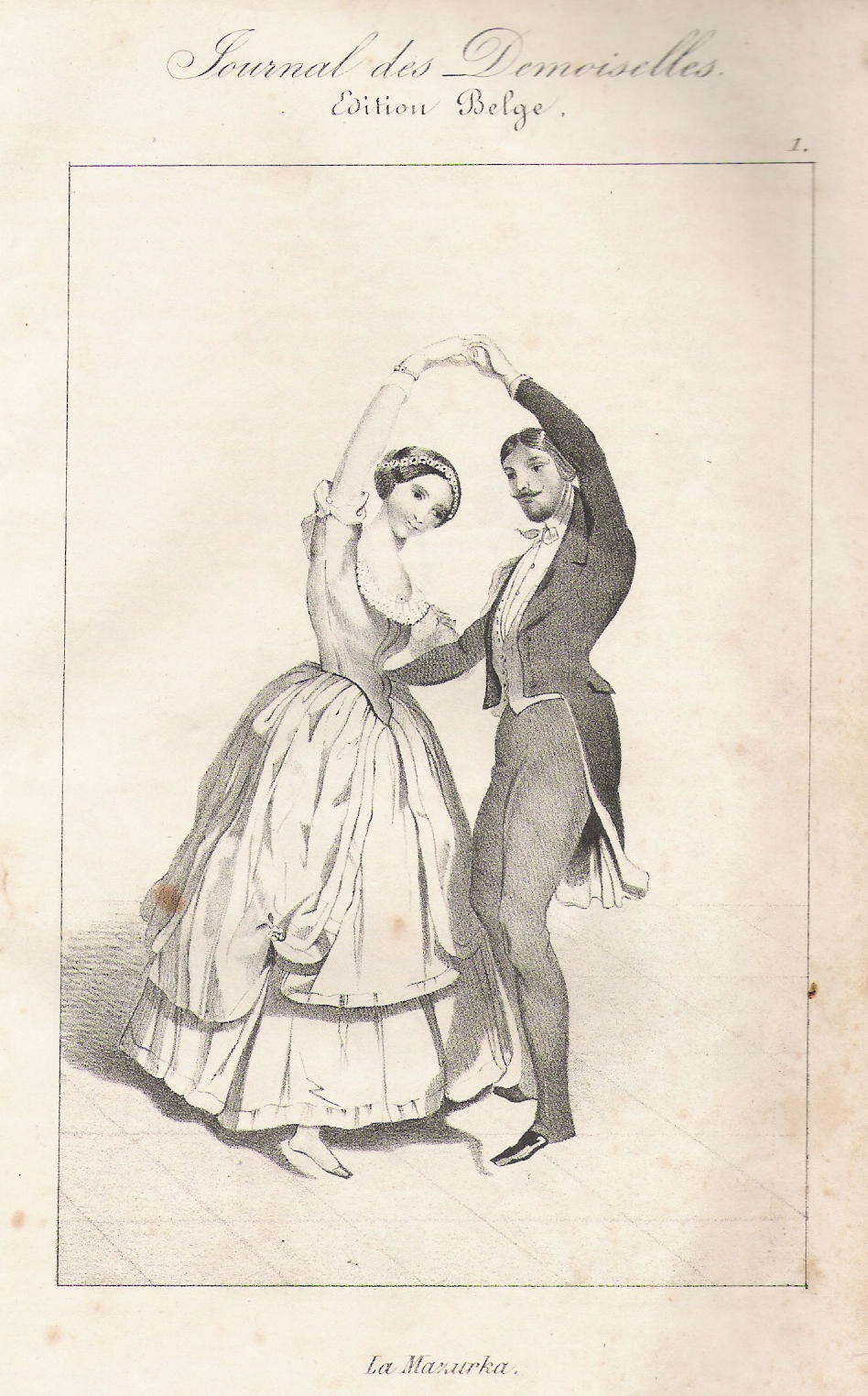 🇵🇱 Poland and 5 moreMazurka
A lively Polish folk dance in triple time, known for its shifting accentsFolk dance · Couple · Group
🇵🇱 Poland and 5 moreMazurka
A lively Polish folk dance in triple time, known for its shifting accentsFolk dance · Couple · Group
 🇷🇺 Russia and 1 moreLezginka
A fast-paced folk dance from the North Caucasus, performed solo or in pairsFolk dance · Solo · Couple
🇷🇺 Russia and 1 moreLezginka
A fast-paced folk dance from the North Caucasus, performed solo or in pairsFolk dance · Solo · Couple
 🇺🇸 United States and 2 moreSwing dance
A lively group of partner dances born with jazz in 1920s–40s AmericaSocial dance · Couple · Circle
🇺🇸 United States and 2 moreSwing dance
A lively group of partner dances born with jazz in 1920s–40s AmericaSocial dance · Couple · Circle
Its cousins elsewhere
All folk dances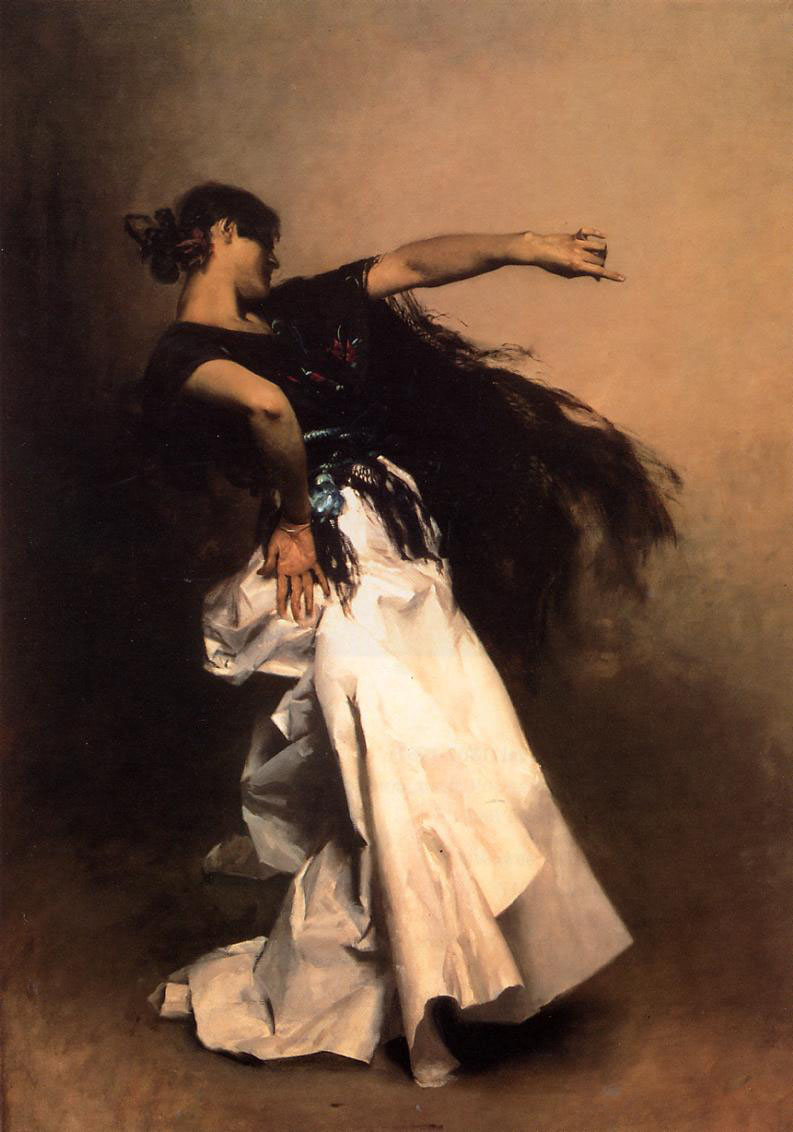 🇪🇸 SpainFlamenco
A dramatic dance and music tradition rooted in Andalusia's gitano and folk culturesFolk dance · Solo · Group
🇪🇸 SpainFlamenco
A dramatic dance and music tradition rooted in Andalusia's gitano and folk culturesFolk dance · Solo · Group
 🇦🇷 Argentina and 1 moreTango
A partner dance from the Río de la Plata, danced in close or open embraceSocial dance · Couple
🇦🇷 Argentina and 1 moreTango
A partner dance from the Río de la Plata, danced in close or open embraceSocial dance · Couple
 🇧🇷 BrazilCapoeira
A Brazilian martial art that blends dance, acrobatics, and music in a circle gameWar or martial dance · Circle · Solo
🇧🇷 BrazilCapoeira
A Brazilian martial art that blends dance, acrobatics, and music in a circle gameWar or martial dance · Circle · Solo
 🇪🇬 Egypt and 3 moreBelly danceرقص شرقي
A Middle Eastern dance focused on hip and torso articulation.Folk dance · Solo
🇪🇬 Egypt and 3 moreBelly danceرقص شرقي
A Middle Eastern dance focused on hip and torso articulation.Folk dance · Solo