
Borborbor
A social dance of the Ewe people, marked by handkerchiefs and communal celebration.
Borborbor is a recreational folk dance created in the 1950s by Francis Kudzo Nuatro. It is practiced by the Ewe communities in Ghana's Volta Region and Southern Togo, particularly around Kpalime and Lomé.
Watch it dancedShare on WhatsApp
- Created by Francis Kudzo Nuatro in the 1950s.
- Dancers use white handkerchiefs as props.
- Performed primarily by women in the Ewe community.
- Associated with festivals of chiefs and locals.
- Studied internationally by music scholars since the 1970s.
What is Borborbor?
This tradition is a lively group performance belonging to the Ewe people. Dancers move together in a social setting, often holding white handkerchiefs as part of their routine. The style focuses on recreation and community bonding rather than strict ritual. It serves as a way for the Ewe to celebrate their shared identity through movement and music.
Where does Borborbor come from?
The dance emerged in the 1950s, credited to a man named Francis Kudzo Nuatro. It developed among the Ewe populations living north of the Anlo groups in southeastern Ghana. The practice spread into neighboring areas of Southern Togo. Scholars have studied its musical elements for decades, noting its distinct cultural roots in these specific regions.
How is Borborbor danced?
Performers typically engage in coordinated group movements. Women are the primary dancers in this tradition. They use white handkerchiefs as props during the performance. The steps are designed for social enjoyment and communal participation. The choreography emphasizes collective rhythm and interaction among the dancers.
Borborbor, drawn
The music of Borborbor
The accompanying music has gained international academic attention over the last fifty years. Researchers such as Nketia, Jones, and Amu have documented its significance. The sound patterns support the dancers' movements and define the rhythmic structure of the performance. This musical tradition remains central to the dance's identity.
Costume and what is carried
Female dancers wear bright, long garments that cover the body. They carry two white handkerchiefs in their hands. These cloths are waved or used during the dance sequence. The colorful attire helps distinguish the performers and adds visual energy to the group presentation.


When and where Borborbor is danced
The dance is performed during festivals involving chiefs and local communities. It functions as a social activity for the Ewe people. The performances take place in towns like Kpalime and Lomé, as well as throughout the Volta Region. It is a way to mark communal gatherings and celebrate local heritage.
Styles of Borborbor
The dance is also referred to by the name Akpese in some contexts. While it originated in the mid-twentieth century, it has become an established part of Ewe cultural expression. The tradition continues to be practiced in its original regions without significant stylistic divergence noted in available records.
What Borborbor means
Borborbor represents a key element of Ewe cultural identity in Ghana and Togo. It connects modern practitioners to their regional history. The dance has been recognized by ethnomusicologists for its unique sound and social function. It stands as a testament to the creativity of the Ewe people in the Volta area.
Questions people ask about Borborbor
Where does Borborbor originate?
It comes from the Ewe people in Ghana's Volta Region and Southern Togo, including areas like Kpalime and Lomé.
Who performs this dance?
Women are the main dancers, wearing colorful long clothes and holding white handkerchiefs during the performance.
When is Borborbor danced?
It is performed during community festivals featuring chiefs and as a social recreational activity for the Ewe people.
Is there another name for this dance?
Yes, it is also known as Akpese. Both names refer to the same traditional Ewe dance form.
Good reading and sources
- Borborbor on WikipediaEncyclopedia
- More photos and video on Wikimedia CommonsPhotos and video
- Wikidata recordOpen data
- Videos of Borborbor on YouTubeSearch results, not chosen by Ghungroo
The facts on this page come from the Wikipedia article "Borborbor", written by its contributors and used under the CC BY-SA 4.0 licence, and from its Wikidata record (CC0). Ghungroo rewrote the text in its own words, with AI assistance, and compares every page with the article to make sure no passage is copied. It may be reused under the same CC BY-SA 4.0 licence with a link back.
It may contain mistakes, and it describes the dance in outline: it is not a lesson. Traditions differ from one teacher, village or family to the next. If something is wrong, tell us. Last refreshed 2026-10-04.
More from Ghana
All the dances of Ghana 🇦🇴 Angola and 4 moreKizomba
A slow partner dance from Angola, blending Semba steps with Zouk rhythms for social gatherings.Social dance · Couple
🇦🇴 Angola and 4 moreKizomba
A slow partner dance from Angola, blending Semba steps with Zouk rhythms for social gatherings.Social dance · Couple
 🇬🇭 Ghana and 2 moreAgbadza
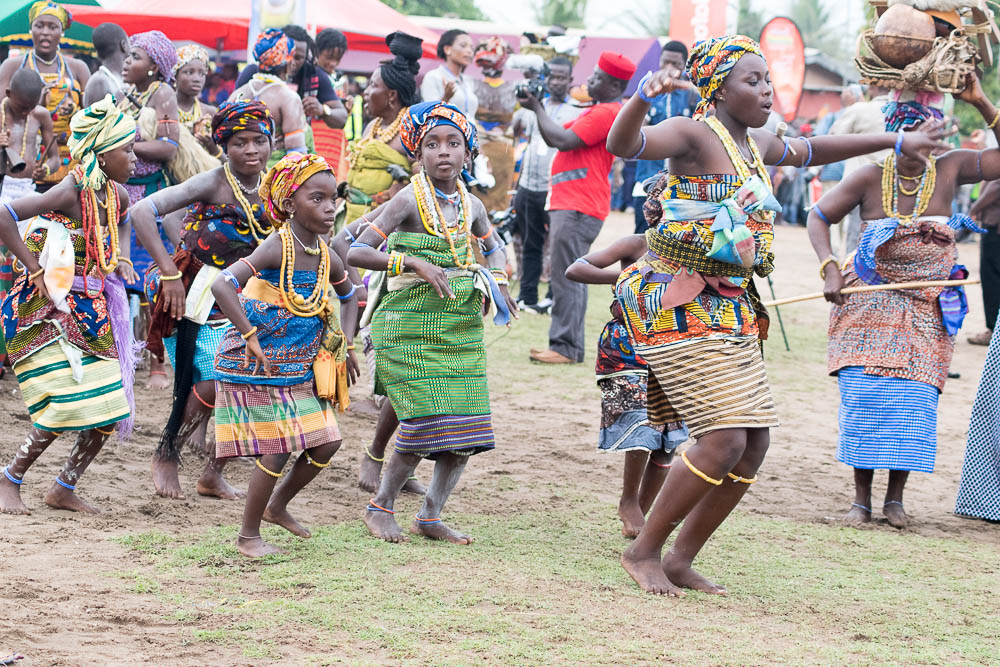
A lively Ewe group dance from Ghana and Togo, evolved from ancient war drills into joyful celebration.Folk dance · Group
🇬🇭 Ghana and 2 moreAgbadza
A lively Ewe group dance from Ghana and Togo, evolved from ancient war drills into joyful celebration.Folk dance · Group
 🇬🇭 GhanaAzonto
A Ghanaian dance of mimed daily actions and playful gestures.Folk dance · Solo · Group
🇬🇭 GhanaAzonto
A Ghanaian dance of mimed daily actions and playful gestures.Folk dance · Solo · Group
 🇯🇵 Japan and 5 moreYosakoiよさこい
An energetic group dance from Japan using wooden clappers and modern music.Folk dance · Group
🇯🇵 Japan and 5 moreYosakoiよさこい
An energetic group dance from Japan using wooden clappers and modern music.Folk dance · Group
Its cousins elsewhere
All folk dances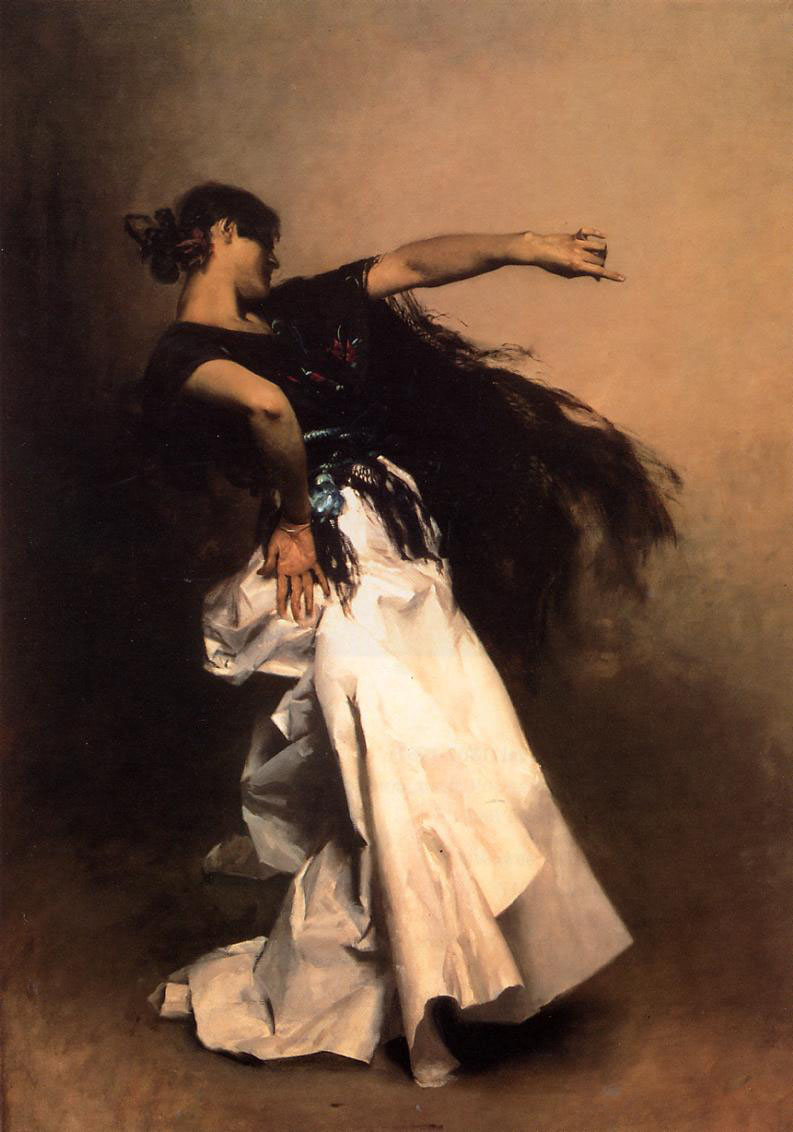 🇪🇸 SpainFlamenco
A dramatic dance and music tradition rooted in Andalusia's gitano and folk culturesFolk dance · Solo · Group
🇪🇸 SpainFlamenco
A dramatic dance and music tradition rooted in Andalusia's gitano and folk culturesFolk dance · Solo · Group
 🇦🇷 Argentina and 1 moreTango
A partner dance from the Río de la Plata, danced in close or open embraceSocial dance · Couple
🇦🇷 Argentina and 1 moreTango
A partner dance from the Río de la Plata, danced in close or open embraceSocial dance · Couple
 🇦🇹 Austria and 4 moreWaltz
A turning couple dance in triple time, first popular in 18th-century EuropeBallroom or Latin dance · Couple
🇦🇹 Austria and 4 moreWaltz
A turning couple dance in triple time, first popular in 18th-century EuropeBallroom or Latin dance · Couple
 🇮🇳 India and 1 moreFolk dance
Traditional group dances rooted in local life and passed down through generationsFolk dance · Group · Circle
🇮🇳 India and 1 moreFolk dance
Traditional group dances rooted in local life and passed down through generationsFolk dance · Group · Circle