
Border Morris
A winter stick dance from the English villages near Wales
Border Morris is a group of village dances performed along the English side of the border with Wales. Dancers use short sticks and clash them together while wearing tattered clothes and blackened faces.
Watch it dancedShare on WhatsApp
- Dancers paint their faces black and wear tattered clothes.
- Short sticks are clashed together during the performance.
- Tradition dates back to accounts from the late 1500s.
- Performed mainly in winter for village fundraising.
- Revived in the 1960s by folklorists and dance sides.
What is Border Morris?
This style belongs to the wider Morris dance family but has its own distinct look and sound. Groups of three to twelve people perform in villages during the colder months. The dancers hold short sticks and strike them against each other or the ground. They wear ragged shirts or coats and often paint their faces black. The movements are energetic and rely on a high single step rather than complex footwork patterns.
Where does Border Morris come from?
Records show dancers performing in Shrewsbury as early as 1584 and at Hereford races in 1609. These early groups included musicians and hobby horses. Complaints about disruptive dancing appeared in local courts throughout the 17th century. The tradition faded over time, leaving only fragmented memories in places like Leominster and Much Wenlock until researchers began collecting the material again in the mid-20th century.
How is Border Morris danced?
Dancers use a simple high step similar to local country dance styles. There are few strict rules about starting feet or phrase endings. The main action involves clashing sticks together or on the floor. Some sides repeat a single figure and chorus endlessly, while others perform more complex sequences. The group moves as a unit without formal partner work, focusing on the collective rhythm and visual impact of the stick clashes.
Border Morris, drawn
The music of Border Morris
The sound is loud and driven by a big band setup. Traditional instruments include melodeons, fiddles, and concertinas. Percussion comes from triangles and tambourines. Modern sides often add tubas, flutes, or oboes to the mix. The music supports the fast tempo and provides a steady beat for the stick clashes. Tunes collected from local gypsy fiddlers are still used by some historic sides.
Costume and what is carried
Performers wear tattered shirts or old coats that look worn and ragged. A key feature is the blackened face, which gives the style its stark appearance. Some dancers also carry handkerchiefs along with their sticks. The clothing reflects the industrial heritage of quarry workers and miners in Shropshire. The rough dress contrasts with the bright colors often seen in other Morris traditions.


When and where Border Morris is danced
The dances are primarily performed in winter for community enjoyment and fundraising. Groups meet locally to keep the tradition alive. The modern revival started in the 1960s and 1970s when folklorists and dancers began reconstructing the steps. New sides formed across the UK, adapting the old material to contemporary performance needs. Some groups meet only once a year at Christmas to honor the original timing.
Styles of Border Morris
Different sides interpret the tradition in unique ways. Silurian Border Morris focuses on historical accuracy based on collected notes. The Shropshire Bedlams created a new style featuring whooping and less specific traditional figures. Ironmen adopted an industrial aesthetic and danced in clogs. Other groups have added invented steps or evolved the choreography over decades, leading to diverse styles within the same broad category.
What Border Morris means
Blackface remains a controversial element of this dance, linked to historical performances and industrial identity. The revival preserved the memory of village gatherings and winter celebrations. Researchers like E.C. Cawte documented the surviving fragments before they disappeared completely. The style represents a specific regional history of Herefordshire, Worcestershire, and Shropshire, distinguishing it from Welsh or Cotswolds Morris.
Questions people ask about Border Morris
Where does Border Morris come from?
It originates from villages along the English side of the border with Wales, specifically in Herefordshire, Worcestershire, and Shropshire. Historical records mention dancers in these counties as far back as the 16th century.
When is Border Morris traditionally danced?
It is typically performed during the winter months. Village sides would dance for enjoyment and to raise funds for the community, often meeting annually around Christmas time in older traditions.
What do the dancers wear?
Performers wear ragged shirts or old coats that look worn. They also blacken their faces, a distinctive feature of the style. Some sides incorporate industrial elements like clogs to reflect local mining and quarrying history.
How is the music played?
A large band accompanies the dancers using melodeons, fiddles, and concertinas. Percussion includes triangles and tambourines. Modern groups often add tubas, flutes, or oboes to create a loud, driving sound for the stick clashes.
Who revived this dance style?
The modern revival began in the 1960s and 1970s. Folklorist E.C. Cawte helped identify the tradition, while dance sides like Silurian Morris and the Shropshire Bedlams reconstructed and popularized the steps and music.
Good reading and sources
- Border Morris on WikipediaEncyclopedia
- More photos and video on Wikimedia CommonsPhotos and video
- Wikidata recordOpen data
- Videos of Border Morris on YouTubeSearch results, not chosen by Ghungroo
The facts on this page come from the Wikipedia article "Border Morris", written by its contributors and used under the CC BY-SA 4.0 licence, and from its Wikidata record (CC0). Ghungroo rewrote the text in its own words, with AI assistance, and compares every page with the article to make sure no passage is copied. It may be reused under the same CC BY-SA 4.0 licence with a link back.
It may contain mistakes, and it describes the dance in outline: it is not a lesson. Traditions differ from one teacher, village or family to the next. If something is wrong, tell us. Last refreshed 2026-10-03.
More from the United Kingdom
All the dances of the United Kingdom 🇮🇳 India and 1 moreGarba
A circle dance from Gujarat performed around a clay pot during the Navratri festival.Folk dance · Circle
🇮🇳 India and 1 moreGarba
A circle dance from Gujarat performed around a clay pot during the Navratri festival.Folk dance · Circle
 🇧🇪 Belgium and 5 moreProcessional giant
Huge costumed figures carried and danced in European street processionsFolk dance · Solo · Procession
🇧🇪 Belgium and 5 moreProcessional giant
Huge costumed figures carried and danced in European street processionsFolk dance · Solo · Procession
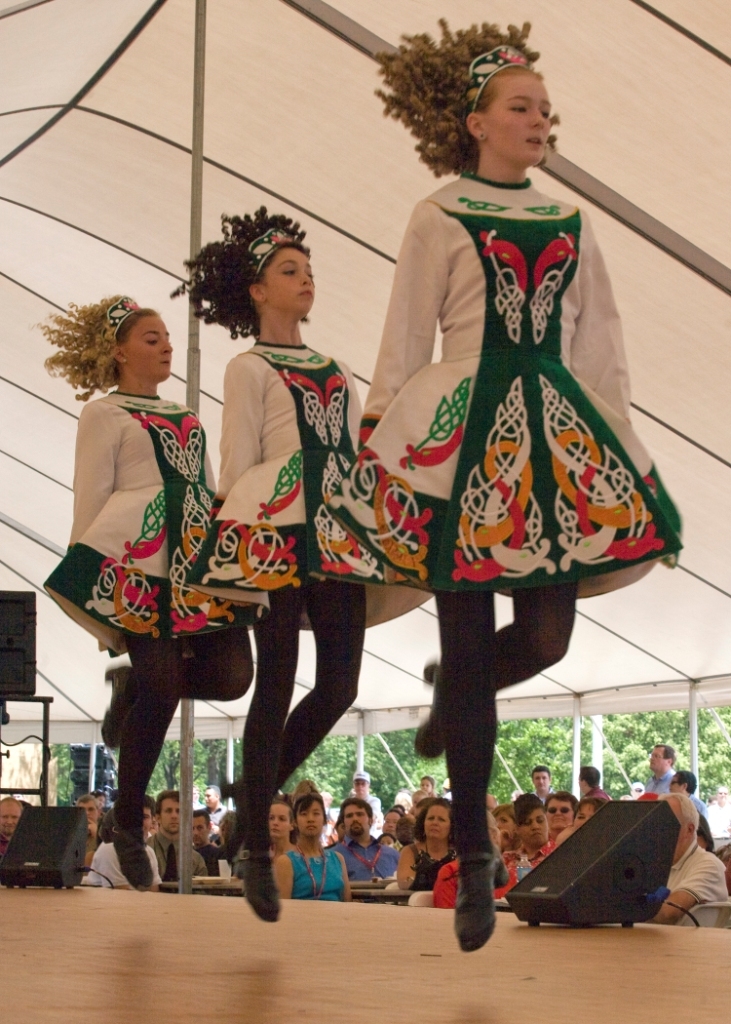 🇮🇪 Ireland and 3 moreIrish dance
Solo and group dances from Ireland, known for fast footwork and lively formationsFolk dance · Solo · Group
🇮🇪 Ireland and 3 moreIrish dance
Solo and group dances from Ireland, known for fast footwork and lively formationsFolk dance · Solo · Group
 🇮🇪 Ireland and 2 moreJigport
A lively folk dance in compound time, central to Irish and Scottish traditionFolk dance · Solo · Group
🇮🇪 Ireland and 2 moreJigport
A lively folk dance in compound time, central to Irish and Scottish traditionFolk dance · Solo · Group
Its cousins elsewhere
All folk dances 🇧🇧 BarbadosBarbados Land-ship
A parade and dance tradition in Barbados, mimicking naval maneuvers on landFolk dance · Group · Procession
🇧🇧 BarbadosBarbados Land-ship
A parade and dance tradition in Barbados, mimicking naval maneuvers on landFolk dance · Group · Procession
 🇺🇸 United States and 2 moreContra dance
A social line dance for pairs, led by a caller and set to live folk tunesFolk dance · Couple · Line or chain
🇺🇸 United States and 2 moreContra dance
A social line dance for pairs, led by a caller and set to live folk tunesFolk dance · Couple · Line or chain
 🇨🇱 Chile and 3 moreCueca
A partner dance with handkerchiefs, tracing circles in Chile, Bolivia, and PeruFolk dance · Couple · Solo
🇨🇱 Chile and 3 moreCueca
A partner dance with handkerchiefs, tracing circles in Chile, Bolivia, and PeruFolk dance · Couple · Solo
 🇷🇺 RussiaKamarinskayaкамаринская
A fast Russian folk dance with squatting steps, played to a repeating tuneFolk dance · Solo · Group
🇷🇺 RussiaKamarinskayaкамаринская
A fast Russian folk dance with squatting steps, played to a repeating tuneFolk dance · Solo · Group