
Jig
In its own language: port
A lively folk dance in compound time, central to Irish and Scottish tradition
The jig is a quick folk dance in compound metre, most closely linked to Ireland and Scotland. Dancers perform solo or in groups, often high on the toes, to music in 6/8 or 9/8 time. Jigs are a mainstay of Irish step dance and Scottish country dance, and are also found in French Canadian and Métis traditions.
Watch it dancedShare on WhatsApp
- Jigs are most often danced in 6/8 or 9/8 time.
- The dance is central to Irish and Scottish traditions.
- Slip jigs are called the 'ballet of Irish dance' for their grace.
- Jigs are performed solo or in groups, often high on the toes.
- Several types exist: light, slip, single, double, hop, and treble jigs.
What is Jig?
The jig is a lively dance form known for its quick, skipping steps and energetic feel. It is most often performed solo or in groups, with dancers moving high on the balls of their feet. The dance is set to music in compound time, typically 6/8 or 9/8, giving it a distinctive, rolling rhythm. Jigs are central to Irish and Scottish dance traditions, but versions are also found in Canada, especially among French Canadian and Métis communities. The style and steps can vary, but the dance is always marked by its buoyant movement and rhythmic drive.
Where does Jig come from?
The jig likely takes its name from the French 'giguer' or Italian 'giga', both meaning 'to jump'. It appeared as a dance in 16th-century England and soon spread to Ireland and Scotland, where it became a core part of folk dance. In the Baroque era, the jig (as 'gigue' or 'giga') was adopted as the lively final movement of dance suites in European courts. Over time, the jig became especially associated with Irish and Scottish traditions, evolving into various forms and rhythms.
How is Jig danced?
Jigs are danced with quick, light steps, often high on the toes. In Irish step dance, the feet move rapidly with minimal upper body motion, while Scottish country dance jigs may involve more group patterns. Steps can include hops, jumps, and intricate footwork. In competitions, dancers perform set sequences, but in social settings, steps may be improvised or strung together. The dance can be solo or in groups, and sometimes several jigs are performed in a row without pause.
Jig, drawn
The music of Jig
Jig music is in compound time, most often 6/8 (double jig), 9/8 (slip jig), or 12/8 (single jig). The rhythm is lively and rolling, with tunes structured in two eight-bar parts. In Irish music sessions, musicians often play several jigs in succession. In North America, jigs are also played in French Canadian and Métis traditions. The music is typically fast, supporting the dance's energetic steps.
Costume and what is carried
Costume varies by tradition and setting. In Irish step dance, dancers may wear soft shoes (ghillies) for light jigs or hard shoes for treble jigs, along with traditional dresses or kilts. In Scottish country dance, attire may include tartan skirts or kilts. In 19th-century American minstrel and sand jigs, everyday clothes or stage costumes were worn. No specific props are required.

When and where Jig is danced
Jigs are danced at festivals, competitions (feiseanna), social gatherings, and performances. In Ireland and Scotland, they are a mainstay of dance events and community celebrations. In North America, jigs are part of French Canadian and Métis cultural life. Training may take place in dance schools or informally within families and communities.
Styles of Jig
There are several types of jigs: light jig, slip jig, single jig, double jig, hop jig, and treble (hard shoe) jig. Each has its own rhythm and characteristic steps. In America, the straight jig and sand jig developed in minstrel and vaudeville shows, with different rhythms and movements. Regional and competitive styles have their own step patterns and tempos.
What Jig means
The jig is a symbol of Irish and Scottish identity and is widely recognized as part of Celtic culture. It has influenced dance forms in North America and played a role in the development of tap dance. The jig remains popular in competitions, festivals, and social gatherings, and is taught and performed worldwide by people of all ages.
Questions people ask about Jig
Where does the jig come from?
The jig originated in 16th-century England and soon became popular in Ireland and Scotland, where it developed into a core folk dance form.
When is the jig danced?
Jigs are danced at festivals, competitions, social gatherings, and performances, especially in Ireland and Scotland, and also in French Canadian and Métis communities.
What does jig music sound like?
Jig music is lively and in compound time, most often 6/8 or 9/8, giving it a rolling, energetic rhythm that matches the dance’s quick steps.
Who can dance the jig?
Anyone can dance the jig. It is performed solo or in groups, by dancers of all ages and backgrounds.
What are the main types of jig?
The main types are light jig, slip jig, single jig, double jig, hop jig, and treble (hard shoe) jig, each with its own rhythm and steps.
Good reading and sources
- Jig on WikipediaEncyclopedia
- More photos and video on Wikimedia CommonsPhotos and video
- Wikidata recordOpen data
- Videos of Jig on YouTubeSearch results, not chosen by Ghungroo
The facts on this page come from the Wikipedia article "Jig", written by its contributors and used under the CC BY-SA 4.0 licence, and from its Wikidata record (CC0). Ghungroo rewrote the text in its own words, with AI assistance, and compares every page with the article to make sure no passage is copied. It may be reused under the same CC BY-SA 4.0 licence with a link back.
It may contain mistakes, and it describes the dance in outline: it is not a lesson. Traditions differ from one teacher, village or family to the next. If something is wrong, tell us. Last refreshed 2026-10-03.
More from Ireland
All the dances of Ireland 🇨🇿 Czech Republic and 5 morePolka
A lively partner dance in 2/4 time from 19th-century BohemiaFolk dance · Couple · Circle
🇨🇿 Czech Republic and 5 morePolka
A lively partner dance in 2/4 time from 19th-century BohemiaFolk dance · Couple · Circle
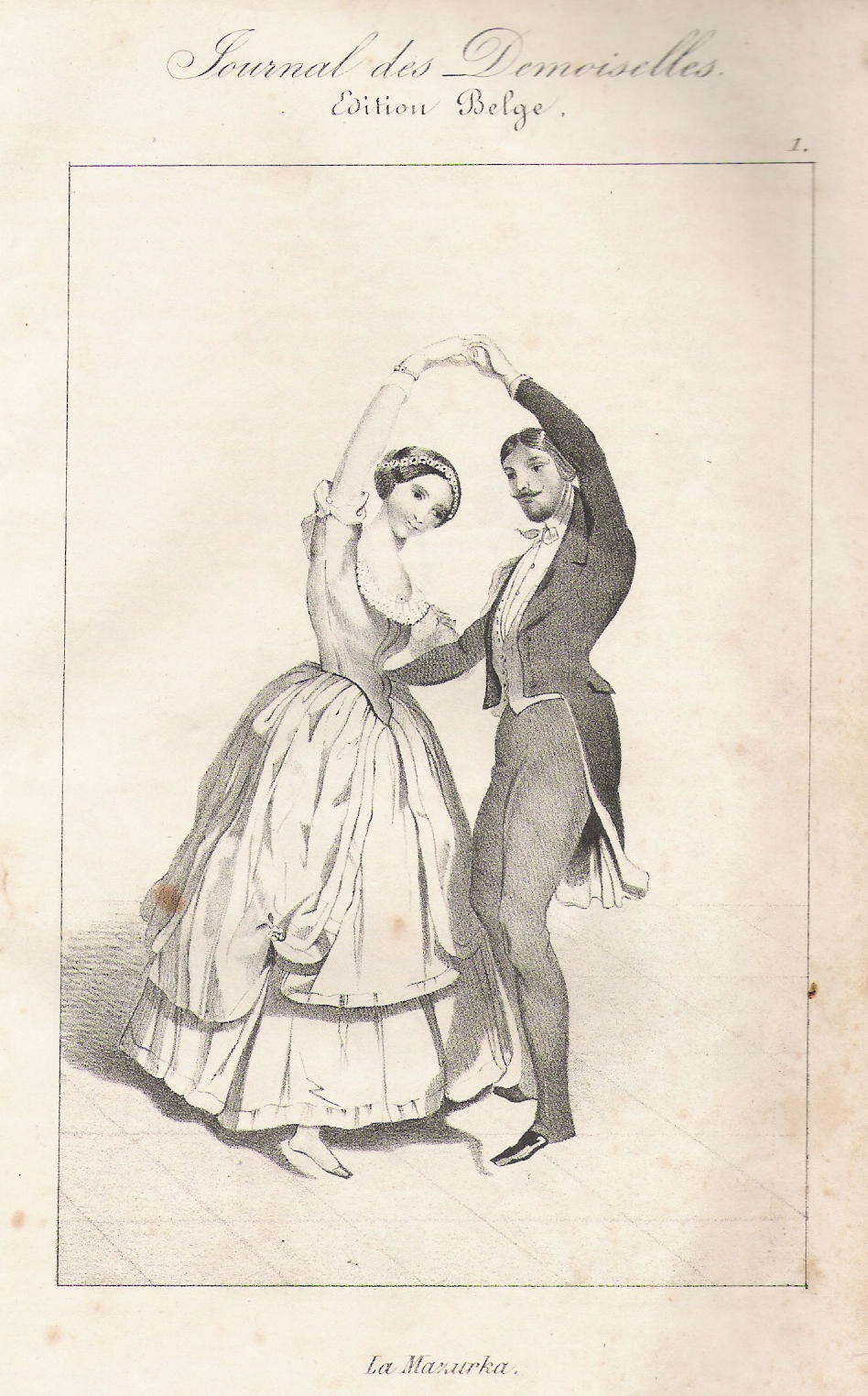 🇵🇱 Poland and 5 moreMazurka
A lively Polish folk dance in triple time, known for its shifting accentsFolk dance · Couple · Group
🇵🇱 Poland and 5 moreMazurka
A lively Polish folk dance in triple time, known for its shifting accentsFolk dance · Couple · Group
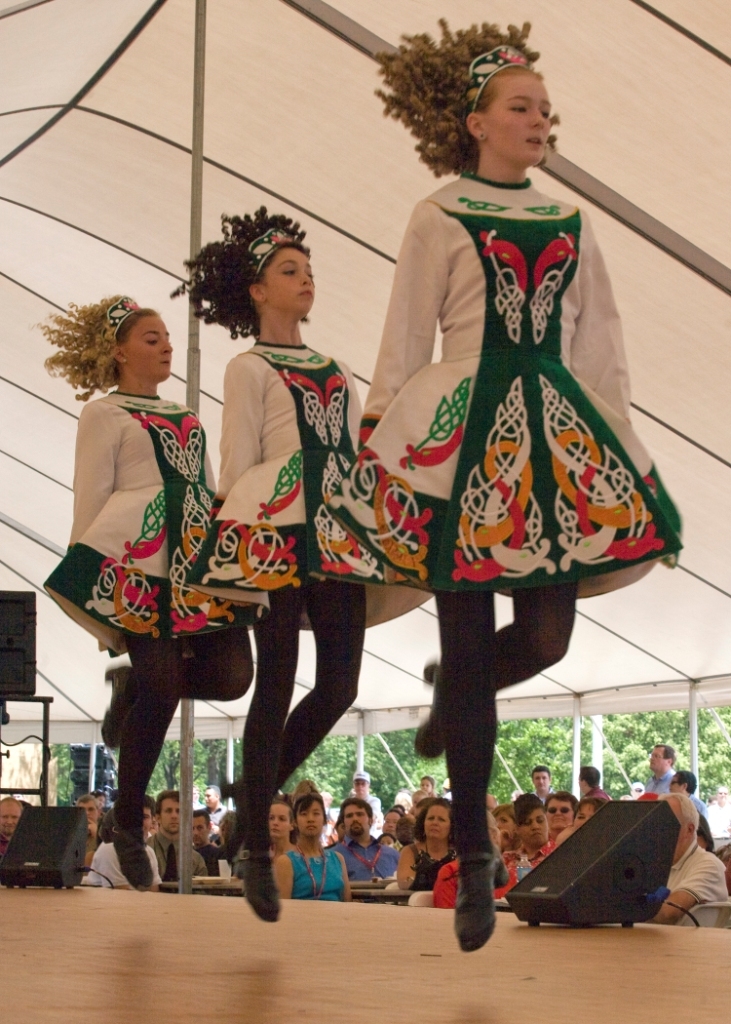 🇮🇪 Ireland and 3 moreIrish dance
Solo and group dances from Ireland, known for fast footwork and lively formationsFolk dance · Solo · Group
🇮🇪 Ireland and 3 moreIrish dance
Solo and group dances from Ireland, known for fast footwork and lively formationsFolk dance · Solo · Group
 🇺🇸 United States and 4 moreSquare dance
A group dance for four couples in a square, led by a caller or set routineFolk dance · Set or square · Group
🇺🇸 United States and 4 moreSquare dance
A group dance for four couples in a square, led by a caller or set routineFolk dance · Set or square · Group
Its cousins elsewhere
All folk dances 🇦🇷 Argentina and 1 moreTango
A partner dance from the Río de la Plata, danced in close or open embraceSocial dance · Couple
🇦🇷 Argentina and 1 moreTango
A partner dance from the Río de la Plata, danced in close or open embraceSocial dance · Couple
 🇮🇳 India and 1 moreFolk dance
Traditional group dances rooted in local life and passed down through generationsFolk dance · Group · Circle
🇮🇳 India and 1 moreFolk dance
Traditional group dances rooted in local life and passed down through generationsFolk dance · Group · Circle
 🇧🇷 BrazilCapoeira
A Brazilian martial art that blends dance, acrobatics, and music in a circle gameWar or martial dance · Circle · Solo
🇧🇷 BrazilCapoeira
A Brazilian martial art that blends dance, acrobatics, and music in a circle gameWar or martial dance · Circle · Solo
 🇪🇬 Egypt and 3 moreBelly danceرقص شرقي
A Middle Eastern dance focused on hip and torso articulation.Folk dance · Solo
🇪🇬 Egypt and 3 moreBelly danceرقص شرقي
A Middle Eastern dance focused on hip and torso articulation.Folk dance · Solo