
Chamamé
A partnered folk dance from Argentina blending Guaraní and European roots.
Chamamé is a folk dance from the Mesopotamia region of northeastern Argentina. It mixes Guaraní rhythms with the schottische brought by Volga German immigrants. Couples dance together to accordion-led music at festivals and social gatherings.
Watch it dancedShare on WhatsApp
- UNESCO inscribed chamamé on its Intangible Cultural Heritage list in 2020.
- The dance originated in Corrientes Province, with Yapeyú cited as a key birthplace.
- Volga German immigrants introduced the schottische, which merged with Guaraní rhythms.
- The accordion acts as the lead instrument in traditional chamamé ensembles.
What is Chamamé?
This partnered folk dance emerges from the riverlands of northeastern Argentina. It blends indigenous Guaraní movement with European steps introduced by settlers. Couples move together across floors while an accordion leads the melody. The style feels grounded yet light, reflecting a history of cultural exchange along the Paraná River.
Where does Chamamé come from?
Musical activity grew in mission towns until religious orders left the region during colonial rule. In places like Yapeyú, local musicians began merging indigenous rhythms with new sounds. German settlers arriving around the turn of the twentieth century brought the schottische, which fused with existing Guaraní patterns. This combination eventually formed the distinct choreography recognized today.
How is Chamamé danced?
Partners stand close, guiding each other through rhythmic steps. The footwork features quick turns and side-to-side shifts, echoing the schottische bounce adapted to local tastes. Hips sway gently while hands maintain a steady hold. The dance prioritizes connection between partners over complex formations, allowing for improvisation within a structured pattern.
Chamamé, drawn
The music of Chamamé
The accordion serves as the primary voice, driving the tempo with bright, reedy tones. It is accompanied by violin melodies, plucked guitar strings, and a walking bass line. Rhythms draw from the Paraguayan polka and European waltzes, creating a syncopated pulse. Early recordings from the 1900s show the style evolving from earlier polka traditions into a unique regional sound.
Costume and what is carried
Specific historical garments are not detailed in the available records. Dancers typically wear practical clothing suited for social gatherings and long festival nights. Modern performers often choose simple shirts and trousers for men, and skirts or dresses for women, allowing freedom of movement while honoring the casual elegance of the tradition.


When and where Chamamé is danced
Communities celebrate this dance at annual fairs, most notably the National Festival in Corrientes. It thrives in social clubs and rural gatherings where neighbors share stories and music. The tradition extends across borders into Paraguay and Uruguay, maintaining relevance among diaspora groups and local enthusiasts who keep the rhythm alive through regular meetups.
Styles of Chamamé
Contemporary artists like Chango Spasiuk and Teresa Parodi have updated arrangements while respecting core elements. Some versions emphasize faster tempos for competitive events, while others slow down for intimate social settings. Radio programs and digital networks now broadcast these variations, connecting older styles with younger audiences seeking fresh interpretations.
What Chamamé means
UNESCO added the practice to its heritage register in 2020, marking it as a symbol of regional pride. It preserves memories of Guaraní ancestors and European settlers who built life along the rivers. Local organizations run websites and archives to document songs and movements. The dance reinforces community bonds and serves as a living archive of cross-cultural history.
Questions people ask about Chamamé
Where did chamamé originate?
It emerged in the riverlands of northeastern Argentina, particularly around Corrientes and Yapeyú. The style developed through the mixing of indigenous Guaraní traditions with European steps brought by settlers in the early twentieth century.
What instruments lead the music?
The accordion plays the central role, supported by violin, piano, guitar, and double bass. These tools create a bright, rhythmic sound that drives the partner dance forward.
Is this dance still performed today?
Yes, it remains active in social clubs and major fairs like the National Festival in Corrientes. UNESCO recognized its value in 2020, helping preserve the tradition for new generations.
Good reading and sources
- Chamamé on WikipediaEncyclopedia
- More photos and video on Wikimedia CommonsPhotos and video
- Wikidata recordOpen data
- Videos of Chamamé on YouTubeSearch results, not chosen by Ghungroo
The facts on this page come from the Wikipedia article "Chamamé", written by its contributors and used under the CC BY-SA 4.0 licence, and from its Wikidata record (CC0). Ghungroo rewrote the text in its own words, with AI assistance, and compares every page with the article to make sure no passage is copied. It may be reused under the same CC BY-SA 4.0 licence with a link back.
It may contain mistakes, and it describes the dance in outline: it is not a lesson. Traditions differ from one teacher, village or family to the next. If something is wrong, tell us. Last refreshed 2026-10-03.
More from Argentina
All the dances of Argentina 🇦🇷 Argentina and 1 moreTango
A partner dance from the Río de la Plata, danced in close or open embraceSocial dance · Couple
🇦🇷 Argentina and 1 moreTango
A partner dance from the Río de la Plata, danced in close or open embraceSocial dance · Couple
 🇦🇷 Argentina and 1 moreArgentine tango
A partner dance from Buenos Aires suburbs, defined by the bandoneon and an intimate embrace.Social dance · Couple
🇦🇷 Argentina and 1 moreArgentine tango
A partner dance from Buenos Aires suburbs, defined by the bandoneon and an intimate embrace.Social dance · Couple
 🇦🇷 Argentina and 1 moreChacarera
A partner dance with foot stomping and handkerchiefs from rural ArgentinaFolk dance · Couple · Group
🇦🇷 Argentina and 1 moreChacarera
A partner dance with foot stomping and handkerchiefs from rural ArgentinaFolk dance · Couple · Group
 🇨🇱 Chile and 3 moreCueca
A partner dance with handkerchiefs, tracing circles in Chile, Bolivia, and PeruFolk dance · Couple · Solo
🇨🇱 Chile and 3 moreCueca
A partner dance with handkerchiefs, tracing circles in Chile, Bolivia, and PeruFolk dance · Couple · Solo
Its cousins elsewhere
All folk dances 🇨🇺 Cuba and 5 moreContradanzacontradanza criolla
A Cuban partner dance with African rhythms that influenced jazz and tangoFolk dance · Couple
🇨🇺 Cuba and 5 moreContradanzacontradanza criolla
A Cuban partner dance with African rhythms that influenced jazz and tangoFolk dance · Couple
 🇺🇸 United States and 1 moreTraditional square dance
A group dance in fours, led by a caller to live fiddle tunes across North America.Folk dance · Group
🇺🇸 United States and 1 moreTraditional square dance
A group dance in fours, led by a caller to live fiddle tunes across North America.Folk dance · Group
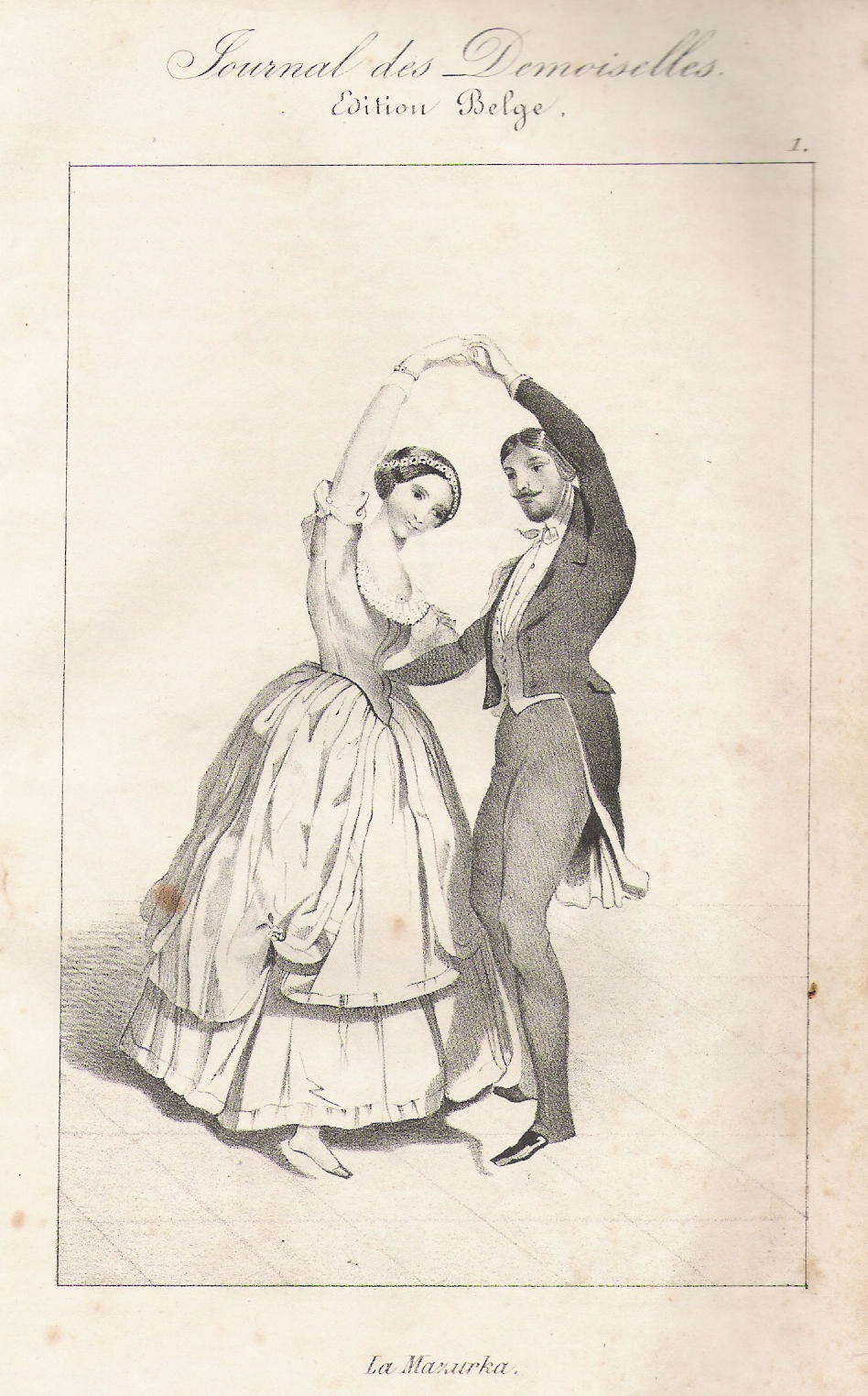 🇵🇱 Poland and 5 moreMazurka
A lively Polish folk dance in triple time, known for its shifting accentsFolk dance · Couple · Group
🇵🇱 Poland and 5 moreMazurka
A lively Polish folk dance in triple time, known for its shifting accentsFolk dance · Couple · Group
 🇺🇸 United States and 2 moreContra dance
A social line dance for pairs, led by a caller and set to live folk tunesFolk dance · Couple · Line or chain
🇺🇸 United States and 2 moreContra dance
A social line dance for pairs, led by a caller and set to live folk tunesFolk dance · Couple · Line or chain