
Dancehall
A Jamaican street dance style shaped by sound system parties and fast rhythms
Dancehall is a street dance style and music that began in late 1970s Kingston, Jamaica. It grew out of reggae but with sparser rhythms and a focus on live sound system parties, where dancers move to energetic beats and deejays toast or chant over tracks. Dancehall is performed by anyone at parties, festivals, and street events, and is now popular worldwide.
Watch it dancedShare on WhatsApp
- Dancehall began in late 1970s Kingston, Jamaica
- It is named after the dance halls where sound systems played
- Anyone can join in at street parties and open-air events
- Dancehall uses fast rhythms and Jamaican Patois lyrics
- The style is known for bold, expressive moves
What is Dancehall?
Dancehall is both a music and a dance style that started in Jamaica’s inner-city communities, especially Kingston, in the late 1970s. It is performed at street parties, clubs, and open-air gatherings called dance halls, where sound systems play loud, bass-heavy tracks. Dancers move in energetic, often improvised ways, sometimes solo, sometimes in groups, responding to the rhythms and the deejay’s chants. Anyone can join in, and the style is known for its bold, expressive moves.
Where does Dancehall come from?
Dancehall grew out of reggae during a period of political and social change in Jamaica. It started among working-class people in Kingston who could not access uptown dances. The music and dance were shaped by sound system culture, where mobile DJs played records in open-air venues. The term 'dancehall' originally meant the venue, but by the early 1980s it became the name for both the music and the dance. The style reflected everyday life and concerns, often with gritty or provocative lyrics and moves.
How is Dancehall danced?
Dancehall dancing is lively and expressive, with moves that match the strong, fast rhythms of the music. Dancers use the whole body, with sharp footwork, hip movements, and gestures that can be playful, suggestive, or competitive. The style is open to improvisation, and new steps often spread quickly through parties and street events. Dancers may perform alone or in groups, sometimes echoing the lyrics or the deejay’s instructions.
Dancehall, drawn
The music of Dancehall
The music that drives dancehall is built on rhythmic tracks called riddims, with a heavy bass and fast tempo. Early dancehall used live instruments, but digital sounds became common in the 1980s, making rhythms even faster and more varied. Deejays 'toast' or chant over these tracks, often in Jamaican Patois, adding to the energy of the dance. The music is played through powerful sound systems, making the bass felt as much as heard.
Costume and what is carried
There is no set costume for dancehall. Dancers wear everyday clothes or street fashion, sometimes dressing up for parties with bold colors or statement pieces. The style is about self-expression, and dancers may use fashion to stand out or show confidence. In some parties, flashy or creative outfits are part of the scene.

When and where Dancehall is danced
Dancehall is danced at street parties, festivals, and club nights, especially in Kingston and other Jamaican cities. It is open to anyone who wants to join, and new moves are often created and shared at these events. Dancehall culture is passed on through participation, observation, and imitation, rather than formal teaching.
Styles of Dancehall
As dancehall spread, it developed regional styles and new moves, especially in Jamaican diaspora communities. The dance continues to evolve, with influences from other genres and local trends. Some dancers and crews become known for inventing steps or setting trends. The music and dance have also influenced other genres worldwide.
What Dancehall means
Dancehall is a key part of Jamaican popular culture and identity, especially for the urban working class. It has sometimes faced criticism for its lyrics and bold style, but it remains a major social and creative outlet. The dance and music have shaped fashion, language, and art in Jamaica and beyond, and are now recognized as global influences.
Questions people ask about Dancehall
Where does dancehall come from?
Dancehall started in Kingston, Jamaica, in the late 1970s, growing out of reggae music and sound system street parties.
Who can dance dancehall?
Anyone can dance dancehall. It is open to all at street parties, clubs, and festivals, with no restrictions on who can join.
When is dancehall danced?
Dancehall is danced at social gatherings, street parties, festivals, and performances, especially in Jamaican cities like Kingston.
What music is used for dancehall?
Dancehall is danced to fast, bass-heavy tracks called riddims, often with deejays toasting or chanting in Jamaican Patois.
Is there a special costume for dancehall?
There is no required costume. Dancers usually wear everyday or street fashion, sometimes dressing up to stand out at parties.
Good reading and sources
- Dancehall on WikipediaEncyclopedia
- More photos and video on Wikimedia CommonsPhotos and video
- Wikidata recordOpen data
- Videos of Dancehall on YouTubeSearch results, not chosen by Ghungroo
The facts on this page come from the Wikipedia article "Dancehall", written by its contributors and used under the CC BY-SA 4.0 licence, and from its Wikidata record (CC0). Ghungroo rewrote the text in its own words, with AI assistance, and compares every page with the article to make sure no passage is copied. It may be reused under the same CC BY-SA 4.0 licence with a link back.
It may contain mistakes, and it describes the dance in outline: it is not a lesson. Traditions differ from one teacher, village or family to the next. If something is wrong, tell us. Last refreshed 2026-10-03.
More from Jamaica
All the dances of Jamaica 🇧🇸 Bahamas and 2 moreJunkanoo
A costumed street parade with drumming, dance and masquerade, held at Christmas and other timesFolk dance · Group · Procession
🇧🇸 Bahamas and 2 moreJunkanoo
A costumed street parade with drumming, dance and masquerade, held at Christmas and other timesFolk dance · Group · Procession
 🇫🇷 France and 4 moreQuadrille
A social dance for four couples in a square, with set figures and changing musicSocial dance · Set or square · Group
🇫🇷 France and 4 moreQuadrille
A social dance for four couples in a square, with set figures and changing musicSocial dance · Set or square · Group
 🇹🇹 Trinidad and Tobago and 3 moreLimbo
A contest to pass backward under a bar set lower each roundFolk dance · Solo · Group
🇹🇹 Trinidad and Tobago and 3 moreLimbo
A contest to pass backward under a bar set lower each roundFolk dance · Solo · Group
 🇺🇸 United States and 1 moreLine dance
A group choreography where dancers face the same direction in rows without touching.Social dance · Line or chain
🇺🇸 United States and 1 moreLine dance
A group choreography where dancers face the same direction in rows without touching.Social dance · Line or chain
Its cousins elsewhere
All street and club dances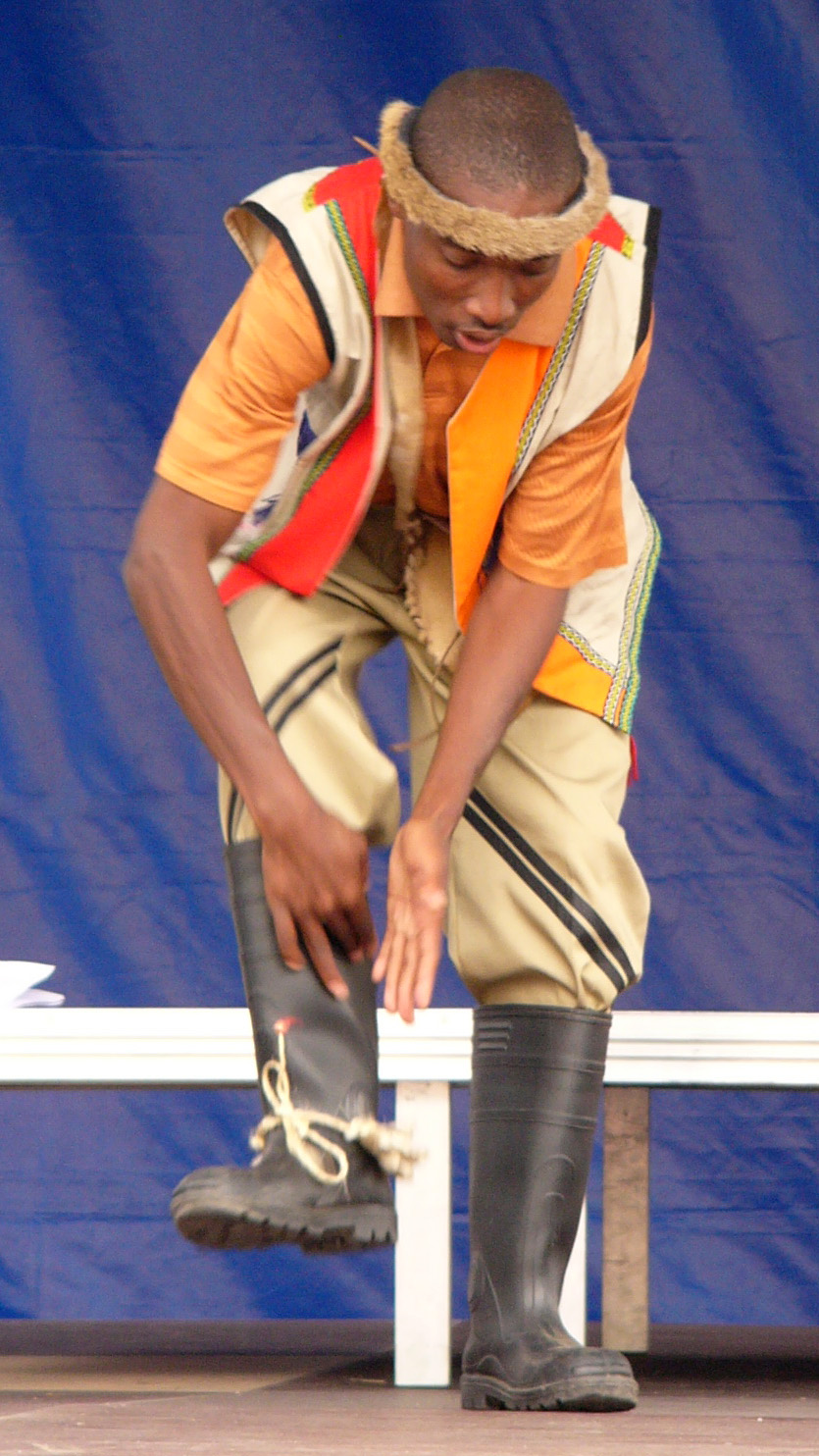 🇿🇦 South AfricaGumboot dance
A South African dance performed in rubber boots, using stamping and slapping for rhythmFolk dance · Group
🇿🇦 South AfricaGumboot dance
A South African dance performed in rubber boots, using stamping and slapping for rhythmFolk dance · Group