
Dancing for eels
A 19th-century New York dance competition done for fish or money
Dancing for eels was a competitive street dance practiced by African Americans at New York City's Catherine Market during the nineteenth century. Dancers showed off structured steps and body rocking at dawn, competing for bundles of fish or cash awarded by cheering onlookers.
Watch it dancedShare on WhatsApp
- African American dancers competed at Manhattan's Catherine Market during the nineteenth century.
- Prizes for the dawn contests included money or bundles of freshly caught eels.
- Audience members decided the winner by shouting, cheering, and making noise.
- The Market Step featured an open-knee, heel-to-toe rocking motion with hands raised overhead.
What is Dancing for eels?
Dancing for eels was an early street competition in New York City where African American men danced before crowds at Catherine Market. Spectators gathered around the stalls to watch performers execute set sequences of steps and body movements. The performers entered the contests to win cash or fresh fish, particularly eels. The atmosphere was loud and energetic, filled with the shouts and applause of working-class spectators who judged the contest by vocal approval. The displays combined athletic footwork, expressive arm gestures, and lively physical humor.
Where does Dancing for eels come from?
The practice arose during the early nineteenth century at the Catherine Slip and Catherine Street market near the East River ferry. Enslaved African Americans from Long Island traveled to Manhattan to sell fish, oysters, clams, herbs, and berries for extra money. Market vendors and visitors began paying them to dance, offering shillings or bundles of eels as prizes. Over time, these informal performances grew into popular early-morning contests. The style was recorded in nineteenth-century accounts such as Thomas F. De Voe's 1862 Market Book and depicted in period folk paintings dating from 1820 through the late Victorian era.
How is Dancing for eels danced?
The dance followed a relatively fixed choreographic pattern rather than pure improvisation. A central move, later called the Market Step, involved a rocking motion moving from heel to toe with the knees kept wide apart. As the feet rocked across the floor, the dancer frequently lifted one or both hands above the head. These precise movements created an animated, grounded rhythm. Later cultural scholars observed direct continuities between these nineteenth-century market steps and modern hip-hop gestures, such as those popularized in late twentieth-century music videos.
Dancing for eels, drawn
The music of Dancing for eels
The dancing took place amidst the bustling sounds of the public market rather than formal musical accompaniment. Performers relied on rhythmic footwork and vocal humor, while stage versions later incorporated singing. The surrounding crowd provided a loud sonic backdrop, voicing their support with shouts, applause, and clamorous approval to decide which competitor won the prize.
When and where Dancing for eels is danced
Contests took place at Catherine Market in Lower Manhattan, often starting at dawn when laborers met to skin fish. Black laborers competed openly on the cobblestones before mixed gatherings of city residents, including white working-class spectators. These market gatherings provided opportunities for rural workers to earn money and provisions while demonstrating technical skill and showmanship to urban audiences.
Styles of Dancing for eels
Over the nineteenth century, street competitions at the market evolved into staged routines featuring singing, physical comedy, and dancing by professional performers. The movements from Catherine Market deeply influenced early American stage entertainments, including blackface minstrel shows. Traces of the market dance's distinct posture and rocking steps survived across generations, re-emerging in modern freestyle rap competitions and hip-hop music videos.
What Dancing for eels means
Dancing for eels holds an important place in the history of African American expressive culture. It represents an early urban tradition where enslaved and working Black people turned physical skill into economic opportunity and communal recognition. The practice established a legacy of competitive public dance battles and audience-judged contests that helped lay the foundation for subsequent American popular entertainment and modern urban street dance.
Questions people ask about Dancing for eels
Where did dancing for eels come from?
It originated in New York City during the nineteenth century at Catherine Market, where African American workers from Long Island came to sell produce and seafood.
Why was it called dancing for eels?
Market stallholders and patrons hired dancers to perform, rewarding the winners with cash or bundles of fresh eels and other fish brought in by local fishermen.
How was a winner chosen in the competition?
Spectators gathered in crowds to watch the dancers perform at dawn. They voted for their favorite by cheering loudly, clapping, and making noise to signal the best dancer.
How did this dance influence modern performance?
The competition style influenced nineteenth-century stage acts and modern hip-hop. Dancers like MC Hammer used versions of the heel-to-toe Market Step in music videos.
Good reading and sources
- Dancing for eels on WikipediaEncyclopedia
- Wikidata recordOpen data
- Videos of Dancing for eels on YouTubeSearch results, not chosen by EveryGhunghroo
The facts on this page come from the Wikipedia article "Dancing for eels", written by its contributors and used under the CC BY-SA 4.0 licence, and from its Wikidata record (CC0). EveryGhunghroo rewrote the text in its own words, with AI assistance, and compares every page with the article to make sure no passage is copied. It may be reused under the same CC BY-SA 4.0 licence with a link back.
It may contain mistakes, and it describes the dance in outline: it is not a lesson. Traditions differ from one teacher, village or family to the next. If something is wrong, tell us. Last refreshed 2026-10-04.
More from the United States
All the dances of the United States 🇺🇸 United States and 5 moreBreakdancing
A street dance with acrobatics, floorwork and freezes, born in 1970s New York CityStreet or club dance · Solo · Group
🇺🇸 United States and 5 moreBreakdancing
A street dance with acrobatics, floorwork and freezes, born in 1970s New York CityStreet or club dance · Solo · Group
 🇺🇸 United StatesCharleston
A fast-paced dance with kicks and twists, first popular in 1920s AmericaSocial dance · Solo · Couple
🇺🇸 United StatesPopping
A street dance built on quick muscle contractions, born in California’s funk sceneStreet or club dance · Solo · Group
🇺🇸 United StatesCharleston
A fast-paced dance with kicks and twists, first popular in 1920s AmericaSocial dance · Solo · Couple
🇺🇸 United StatesPopping
A street dance built on quick muscle contractions, born in California’s funk sceneStreet or club dance · Solo · Group
 🇺🇸 United States and 5 moreHip-hop dance
Improvised street dance styles shaped by hip-hop music and cultureStreet or club dance · Solo · Group
🇺🇸 United States and 5 moreHip-hop dance
Improvised street dance styles shaped by hip-hop music and cultureStreet or club dance · Solo · Group
Its cousins elsewhere
All street and club dances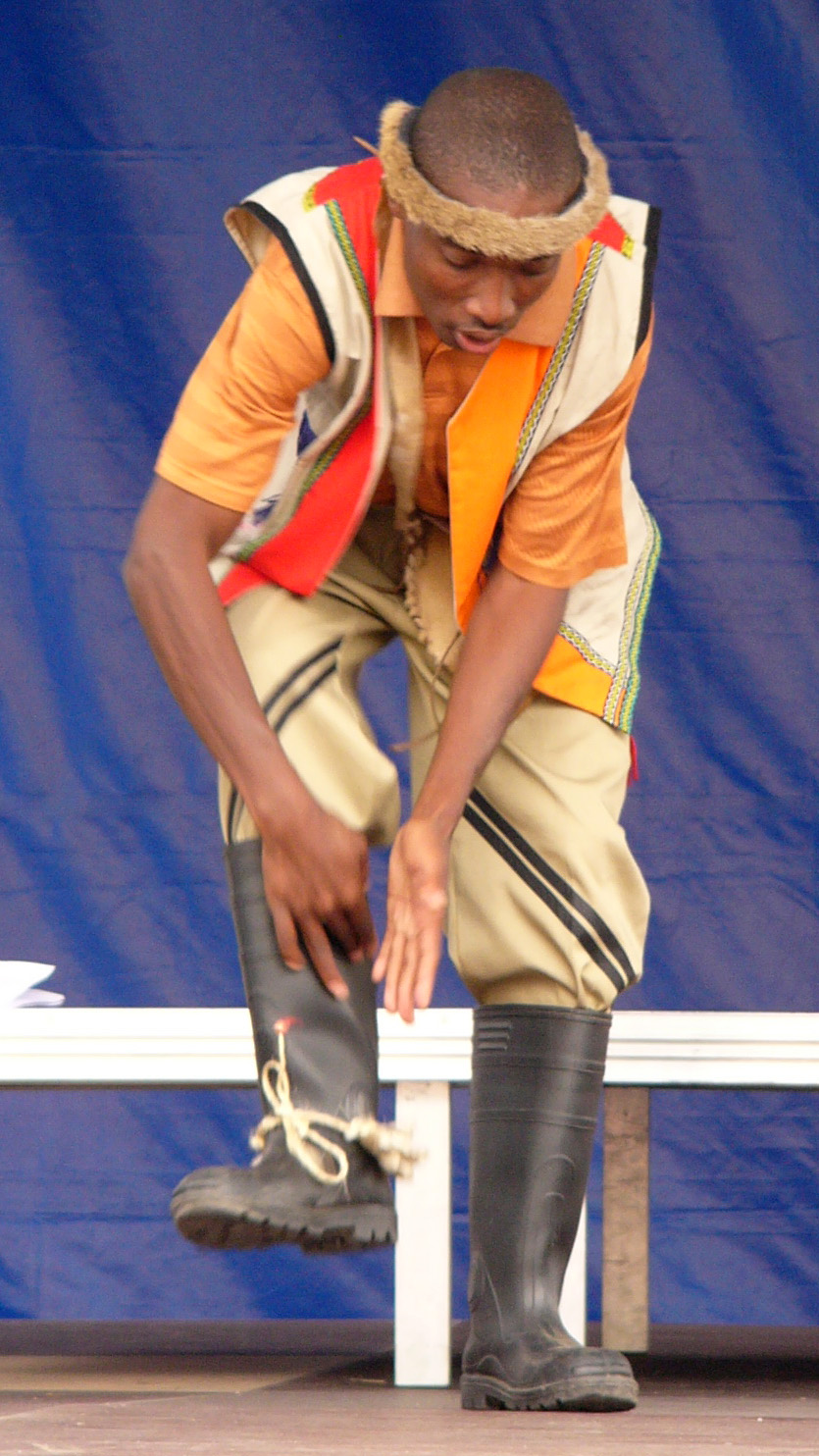 🇿🇦 South AfricaGumboot dance
A South African dance performed in rubber boots, using stamping and slapping for rhythmFolk dance · Group
🇿🇦 South AfricaGumboot dance
A South African dance performed in rubber boots, using stamping and slapping for rhythmFolk dance · Group