
Danzón
A slow, formal partner dance from Cuba, danced in set patterns with elegant pauses.
The danzón is the official dance of Cuba, a slow and formal partner dance written in 2/4 time. It features set footwork around syncopated beats and includes pauses for instrumental solos. The dance originated in late 19th-century Cuba and remains active in Mexico.
Watch it dancedShare on WhatsApp
- Miguel Failde established the genre in 1879.
- Danced in 2/4 time with syncopated rhythms.
- Features flute and violin as lead instruments.
- Popular in Mexico's Veracruz and Oaxaca regions.
- Influenced the development of mambo and cha-cha-chá.
What is Danzón?
The danzón is a slow, formal partner dance from Cuba. Couples move in set patterns around syncopated beats. The dance includes elegant pauses where partners stand still to listen to instrumental passages. It is typically played by charanga or típica ensembles. The dance requires precise timing and coordination between partners.
Where does Danzón come from?
The danzón evolved from the Cuban contradanza, also known as habanera. This earlier form had English and French roots in country dances. Spanish rule introduced these dances to Cuba. Haitian refugees brought Creole syncopation during their revolution. African rhythms fused with European styles to create the danzón. Miguel Failde is credited with establishing the genre in 1879 with his piece Las alturas de Simpson in Matanzas.
How is Danzón danced?
Dancers perform set footwork in duple time. Couples hold each other closely with sinuous hip movements. The dance includes pauses where couples stop dancing to chat or flirt. They resume dancing precisely on the fourth beat of the paseo section. Early versions involved groups holding ribbons and flower arches in sequence patterns. Modern dancing focuses on the couple's connection and rhythmic precision.
Danzón, drawn
The music of Danzón
The music is written in 2/4 time with complex cross-rhythms. Key instruments include flute, violin, piano, double bass, timbales, güiro, and claves. The structure usually follows an ABAC pattern. A flute melody is followed by a string trio section. The baqueteo rhythm on timbales and güiro drives the dance. Syncopated clave patterns underpin the entire arrangement.
Costume and what is carried
Dancers wear formal attire suitable for social gatherings. Historical group performances featured colored ribbons and flower-covered arches. Couples dressed elegantly for ballroom-style settings. The dance does not require specific masks or ritual garments. Dress codes reflect the formal nature of the social events where it was performed.

When and where Danzón is danced
The danzón is danced at social gatherings and festivals. It became popular across all classes in Cuba despite initial moral objections. In Mexico, it survives in plazas and yearly festivals. Senior citizens often participate in revival events. The dance is performed in concert halls and social clubs. Training occurs through community participation and musical instruction.
Styles of Danzón
The danzón-chá added vocal parts and syncopation. The danzón-mambo incorporated mambo sections with improvised flute variations. Danzonete introduced singing to the traditional format. These derivatives influenced later genres like cha-cha-chá and mambo. Mexican versions flourished in Veracruz and Oaxaca. Modern charangas continue to play adapted forms of the classic style.
What Danzón means
The danzón is Cuba's official national dance. It faced criticism for perceived immorality due to close coupling. Racial mixing concerns were raised by conservative critics. The dance eventually gained acceptance as a cultural staple. Arturo Márquez composed Danzón no. 2 for orchestral concerts. The dance reflects the fusion of European and African heritage in the Caribbean.
Questions people ask about Danzón
Where did the danzón originate?
The danzón originated in Cuba in the late 19th century. It evolved from the contradanza and habanera. Haitian and African influences shaped its unique rhythm. Miguel Failde is credited with creating the distinct form in 1879.
What instruments accompany the dance?
Charanga ensembles typically play the danzón. Instruments include flute, violin, piano, double bass, timbales, güiro, and claves. The flute often carries the main melody. Percussion provides the driving baqueteo rhythm.
How is the dance structured?
The dance uses set footwork in 2/4 time. Couples pause during instrumental solos to listen. They resume dancing on precise beats. The music follows an ABAC structure with flute and violin sections. Movements are formal and coordinated.
Is the danzón still performed today?
Yes, especially in Mexico. It remains active in Veracruz, Oaxaca, and Mexico City. Festivals celebrate the dance annually. Senior citizens often participate in revival events. It is considered a living tradition in these regions.
Why was the danzón controversial initially?
Critics objected to close physical contact between partners. Some viewed the hip movements as obscene. Concerns about racial mixing fueled opposition. Despite this, it became widely popular across social classes.
Good reading and sources
- Danzón on WikipediaEncyclopedia
- More photos and video on Wikimedia CommonsPhotos and video
- Wikidata recordOpen data
- Videos of Danzón on YouTubeSearch results, not chosen by Ghungroo
The facts on this page come from the Wikipedia article "Danzón", written by its contributors and used under the CC BY-SA 4.0 licence, and from its Wikidata record (CC0). Ghungroo rewrote the text in its own words, with AI assistance, and compares every page with the article to make sure no passage is copied. It may be reused under the same CC BY-SA 4.0 licence with a link back.
It may contain mistakes, and it describes the dance in outline: it is not a lesson. Traditions differ from one teacher, village or family to the next. If something is wrong, tell us. Last refreshed 2026-10-03.
More from Cuba
All the dances of Cuba 🇨🇺 Cuba and 2 moreSalsa
A lively partner dance with spins and footwork, danced to salsa music worldwideSocial dance · Couple · Solo
🇨🇺 Cuba and 2 moreSalsa
A lively partner dance with spins and footwork, danced to salsa music worldwideSocial dance · Couple · Solo
 🇨🇺 Cuba and 2 moreCha-cha-cha
A Cuban partner dance with a shuffling triple step, danced to a steady four-four beat.Social dance · Couple
🇨🇺 Cuba and 2 moreCha-cha-cha
A Cuban partner dance with a shuffling triple step, danced to a steady four-four beat.Social dance · Couple
 🇨🇺 Cuba and 2 moreMambo
A lively Cuban dance with syncopated steps and expressive movementSocial dance · Couple · Group
🇨🇺 Cuba and 2 moreMambo
A lively Cuban dance with syncopated steps and expressive movementSocial dance · Couple · Group
 🇨🇺 CubaCuban rumba
A street and courtyard dance with song and drums from Havana and MatanzasFolk dance · Group
🇨🇺 CubaCuban rumba
A street and courtyard dance with song and drums from Havana and MatanzasFolk dance · Group
Its cousins elsewhere
All social dances 🇦🇷 Argentina and 1 moreArgentine tango
A partner dance from Buenos Aires suburbs, defined by the bandoneon and an intimate embrace.Social dance · Couple
🇦🇷 Argentina and 1 moreArgentine tango
A partner dance from Buenos Aires suburbs, defined by the bandoneon and an intimate embrace.Social dance · Couple
 🇦🇷 Argentina and 2 moreChamamé
A partnered folk dance from Argentina blending Guaraní and European roots.Folk dance · Couple
🇦🇷 Argentina and 2 moreChamamé
A partnered folk dance from Argentina blending Guaraní and European roots.Folk dance · Couple
 🇺🇾 UruguayUruguayan tango
A partner dance born in Montevideo's working-class neighborhoods in the late 1800s.Social dance · Couple
🇺🇾 UruguayUruguayan tango
A partner dance born in Montevideo's working-class neighborhoods in the late 1800s.Social dance · Couple
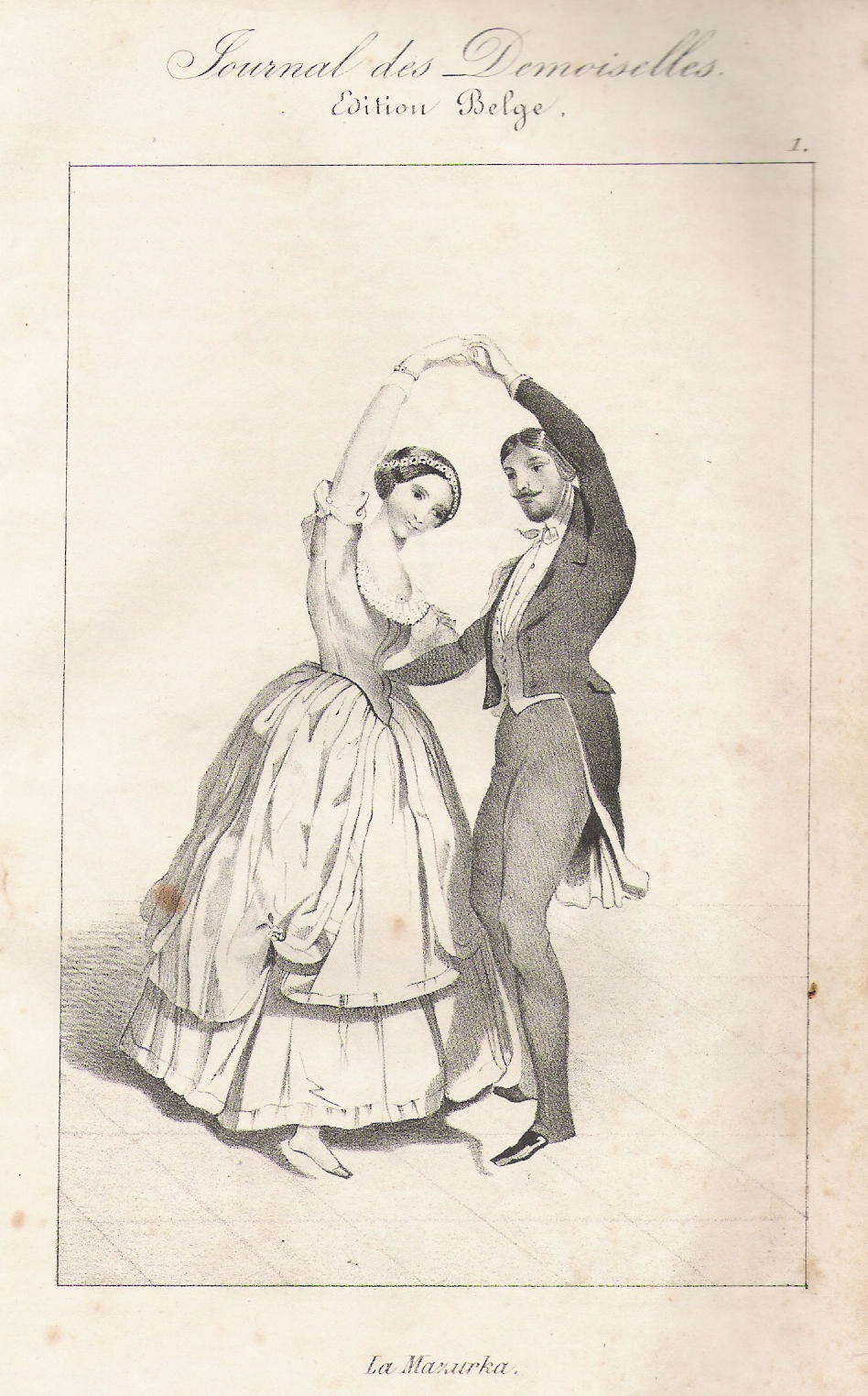 🇵🇱 Poland and 5 moreMazurka
A lively Polish folk dance in triple time, known for its shifting accentsFolk dance · Couple · Group
🇵🇱 Poland and 5 moreMazurka
A lively Polish folk dance in triple time, known for its shifting accentsFolk dance · Couple · Group