
Fakaseasea
A traditional Tuvaluan dance song performed by women with loose movement rules.
The fakaseasea is a slow, traditional dance song from Tuvalu. Women perform the movements while standing, accompanied by singing and rhythmic clapping from both men and women.
Watch it dancedShare on WhatsApp
- Women perform the main dance movements while standing.
- Men and women both sing and beat the rhythm.
- It is considered a slow-tempo traditional song.
- Elders are the primary practitioners today.
- Island-specific variations exist with different names.
What is Fakaseasea?
This tradition belongs to Tuvalu and serves as one of the primary forms of local dance music. It features women standing upright to execute gentle arm, hand, and upper body motions. The performance relies on vocal participation from all attendees who also provide rhythm through hand beats. Unlike stricter choreographies, this style allows for significant flexibility in how participants move their bodies during the song.
Where does Fakaseasea come from?
Dancing songs represent the most prevalent category within traditional Tuvaluan musical heritage. Other notable styles include fakanau, which is designated for male performers, and oga, reserved for females. Historically, earlier iterations of these songs involved performers sitting, kneeling, or standing without extensive physical movement. The modern evolution of these traditions has shifted towards more active standing performances, particularly evident in the fatele format.
How is Fakaseasea danced?
Female dancers remain on their feet throughout the performance, focusing their energy on fluid gestures involving the arms, hands, and torso. There are no rigid technical requirements governing these motions, allowing for personal interpretation. Participants may adjust their steps based on specific island customs, leading to distinct regional names and slight stylistic differences across the archipelago. The overall effect is relaxed and unhurried.
Fakaseasea, drawn
The music of Fakaseasea
The accompaniment consists entirely of human voices and percussive hand sounds. Men and women join together to sing the melody while simultaneously beating time with their hands. This creates a unified auditory backdrop that supports the slower tempo of the dance. The lack of external instruments emphasizes the communal nature of the sound production.
Costume and what is carried
The sources do not specify particular attire, makeup, or accessories used during the performance. Dancers likely wear standard clothing appropriate for the occasion, but no unique costume elements are documented in the provided text.
When and where Fakaseasea is danced
Today, the practice is primarily maintained by older generations within the community. While historically part of broader social gatherings, it now persists mainly as a cultural preservation effort led by elders. The dance remains an active part of Tuvaluan identity, though its frequency and context have evolved over time.
Styles of Fakaseasea
Significant diversity exists across the different islands of Tuvalu. Each location may apply its own name and subtle modifications to the basic structure of the dance. These variations reflect local preferences and historical developments, ensuring that no two island performances are exactly identical despite sharing the same foundational roots.
What Fakaseasea means
As a core component of Tuvaluan heritage, the fakaseasea illustrates the importance of vocal and rhythmic unity in Pacific Island cultures. Its survival depends largely on the dedication of elder community members who continue to teach and perform the tradition. It stands alongside other key forms like fakanau and fatele as essential markers of national identity.
Questions people ask about Fakaseasea
Who performs the fakaseasea?
Women are the primary dancers, executing movements with their arms and upper bodies. Men and women participate equally in the singing and rhythmic clapping that accompanies the dance.
Where does this dance originate?
It originates from Tuvalu, where dancing songs form the largest category of traditional music. It is one of the two main traditional dances, alongside fakanau and oga.
What makes the movement unique?
There are very loose rules regarding how to dance to it. Performers can vary their movements freely, and different islands may have their own specific names and slight stylistic differences.
How is the music created?
The music relies on singing and hand-beating rhythms. Both men and women contribute vocals and percussive sounds, creating a unified acoustic environment without external instruments.
Good reading and sources
- Fakaseasea on WikipediaEncyclopedia
- Wikidata recordOpen data
- Videos of Fakaseasea on YouTubeSearch results, not chosen by Ghungroo
The facts on this page come from the Wikipedia article "Fakaseasea", written by its contributors and used under the CC BY-SA 4.0 licence, and from its Wikidata record (CC0). Ghungroo rewrote the text in its own words, with AI assistance, and compares every page with the article to make sure no passage is copied. It may be reused under the same CC BY-SA 4.0 licence with a link back.
It may contain mistakes, and it describes the dance in outline: it is not a lesson. Traditions differ from one teacher, village or family to the next. If something is wrong, tell us. Last refreshed 2026-10-03.

Its cousins elsewhere
All folk dances 🇬🇷 Greece and 5 moreCircle dance
A group dance in a circle or curved line, joined by hand and led around the floorFolk dance · Circle · Line or chain
🇬🇷 Greece and 5 moreCircle dance
A group dance in a circle or curved line, joined by hand and led around the floorFolk dance · Circle · Line or chain
 🇮🇳 India and 2 moreGiddhaਗਿੱਧਾ
A Punjabi women's folk dance in a singing, clapping circleFolk dance · Circle
🇮🇳 India and 2 moreGiddhaਗਿੱਧਾ
A Punjabi women's folk dance in a singing, clapping circleFolk dance · Circle
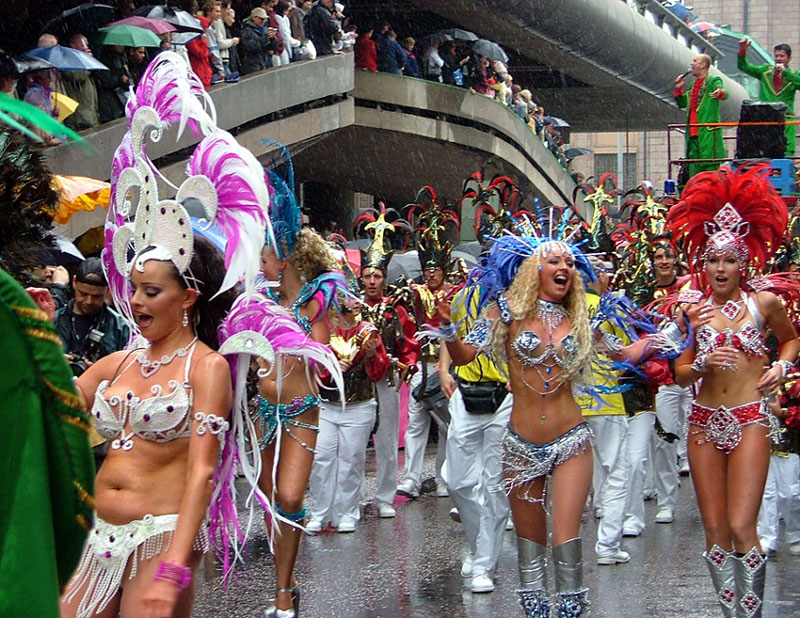 🇧🇷 BrazilSamba
A lively Brazilian dance with fast footwork and syncopated rhythmsFolk dance · Solo · Couple
🇧🇷 BrazilSamba
A lively Brazilian dance with fast footwork and syncopated rhythmsFolk dance · Solo · Couple
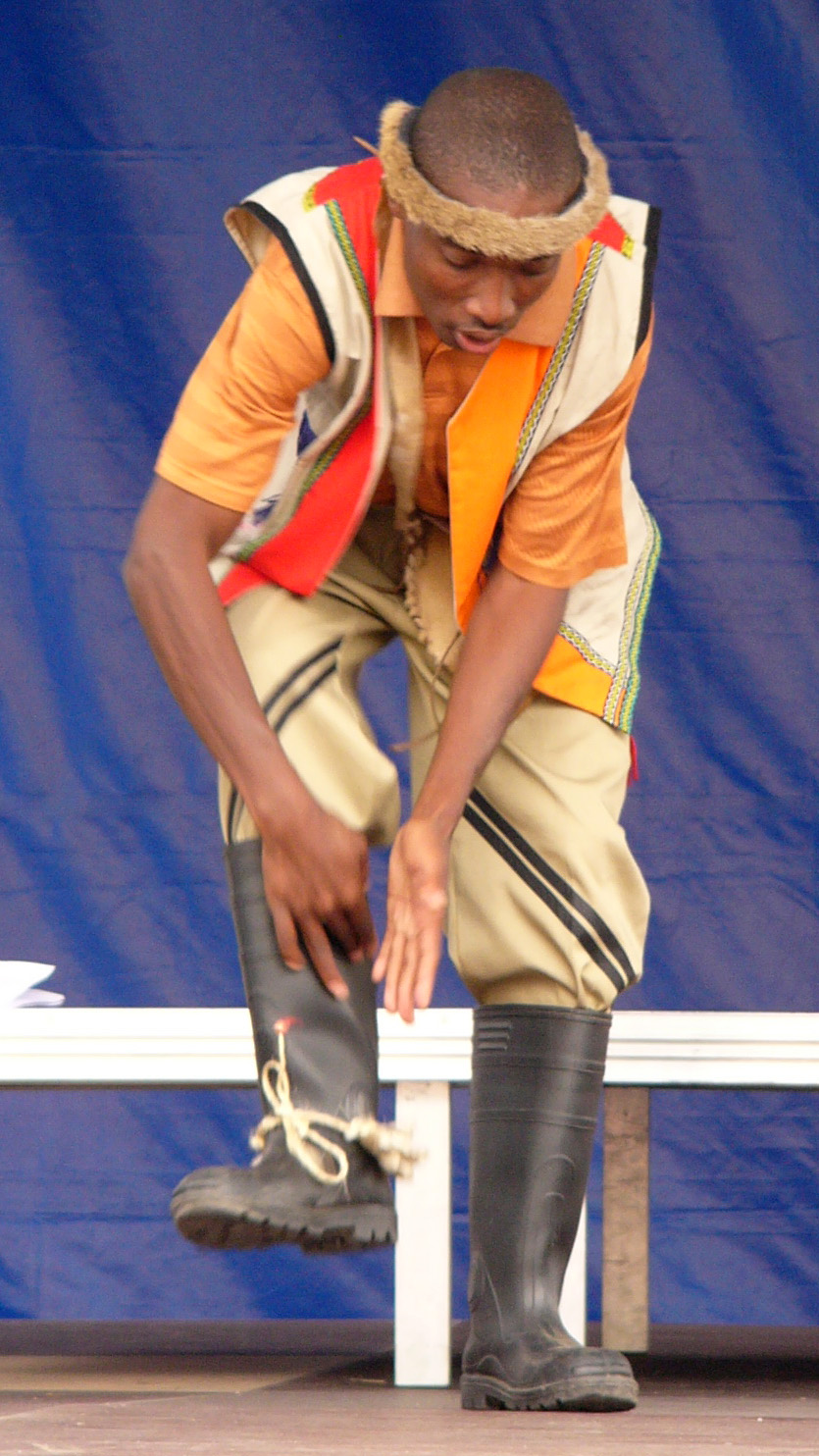 🇿🇦 South AfricaGumboot dance
A South African dance performed in rubber boots, using stamping and slapping for rhythmFolk dance · Group
🇿🇦 South AfricaGumboot dance
A South African dance performed in rubber boots, using stamping and slapping for rhythmFolk dance · Group