
Fatele
A traditional dance song of Tuvalu performed in lines with rhythmic clapping and singing.
The fatele is a traditional dance song from Tuvalu. It is performed by women in lines while men provide rhythm and chorus at community events, weddings, and church festivals.
Watch it dancedShare on WhatsApp
- Women dance in lines while men provide rhythm.
- Skirts are made of coconut and pulaka leaves.
- Rhythm is kept using cans and wooden boxes.
- Samoan siva influenced the modern style.
- Performances can last for hours at festivals.
What is Fatele?
The fatele is a traditional dance song from Tuvalu. Women perform it in lines while men sit on the floor beating time. The dancers wear coconut and leaf skirts with floral accessories. They enact stories through movement as the music builds to a climax.
Where does Fatele come from?
Missionaries from the London Missionary Society arrived in the 1860s and suppressed many traditional songs. This led to changes in dance styles. Later, Samoan siva influences shaped the modern form. Anthropologist Gerd Koch recorded older styles in the 1960s.
How is Fatele danced?
Modern dancers stand in lines and move their arms and bodies to tell a story. Traditional versions had women sitting or kneeling. Men face the dancers and keep rhythm. Movements are synchronized and expressive.
Fatele, drawn
The music of Fatele
Men sing the chorus and beat rhythms using hands, mats, cabin cracker cans, or wooden boxes. The music combines European melody with local traditions. It starts softly and grows louder and faster until an abrupt end.
Costume and what is carried
Dancers wear titi fakamanumanu skirts made of coconut leaves. They also use pulaka leaf skirts. Accessories include fau head wreaths, floral garlands, headbands, armbands, and wristbands.
When and where Fatele is danced
Performed at community events, weddings, and church festivals. It celebrates leaders and prominent visitors. Performances can last for hours. The tradition is shared with Tokelau.
Styles of Fatele
Modern fatele absorbs Samoan influences. Traditional forms involved seated dancing. Contemporary versions are competitive, with islands divided into two sides. Styles coexist with older musical forms.
What Fatele means
The dance reflects Polynesian cultural exchange. Missionary influence altered traditional practices. Recordings by Gerd Koch preserve older styles. It remains a key part of Tuvaluan identity and social life.
Questions people ask about Fatele
What is the fatele?
It is a traditional dance song from Tuvalu where women dance in lines while men keep rhythm with singing and percussion.
Where does it come from?
The fatele originates in Tuvalu, with influences from Samoan dance traditions introduced by missionaries and later cultural exchanges.
When is it danced?
It is performed at community events, weddings, church festivals, and to celebrate leaders, often lasting for several hours.
What do dancers wear?
Dancers wear titi fakamanumanu skirts made of coconut leaves, pulaka leaf skirts, and accessories like fau head wreaths and floral garlands.
Good reading and sources
- Fatele on WikipediaEncyclopedia
- Wikidata recordOpen data
- Videos of Fatele on YouTubeSearch results, not chosen by Ghungroo
The facts on this page come from the Wikipedia article "Fatele", written by its contributors and used under the CC BY-SA 4.0 licence, and from its Wikidata record (CC0). Ghungroo rewrote the text in its own words, with AI assistance, and compares every page with the article to make sure no passage is copied. It may be reused under the same CC BY-SA 4.0 licence with a link back.
It may contain mistakes, and it describes the dance in outline: it is not a lesson. Traditions differ from one teacher, village or family to the next. If something is wrong, tell us. Last refreshed 2026-10-03.

Its cousins elsewhere
All folk dances 🇬🇷 Greece and 5 moreCircle dance
A group dance in a circle or curved line, joined by hand and led around the floorFolk dance · Circle · Line or chain
🇬🇷 Greece and 5 moreCircle dance
A group dance in a circle or curved line, joined by hand and led around the floorFolk dance · Circle · Line or chain
 🇮🇳 India and 2 moreGiddhaਗਿੱਧਾ
A Punjabi women's folk dance in a singing, clapping circleFolk dance · Circle
🇮🇳 India and 2 moreGiddhaਗਿੱਧਾ
A Punjabi women's folk dance in a singing, clapping circleFolk dance · Circle
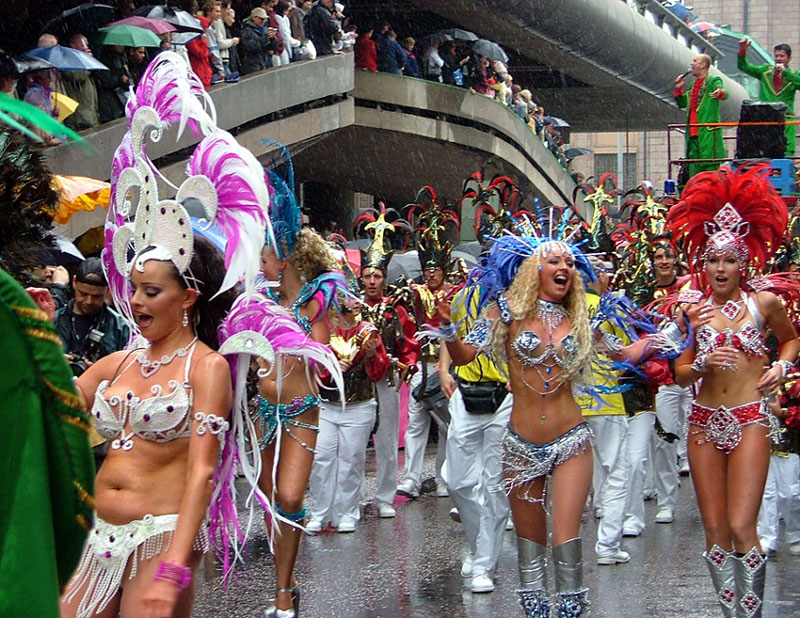 🇧🇷 BrazilSamba
A lively Brazilian dance with fast footwork and syncopated rhythmsFolk dance · Solo · Couple
🇧🇷 BrazilSamba
A lively Brazilian dance with fast footwork and syncopated rhythmsFolk dance · Solo · Couple
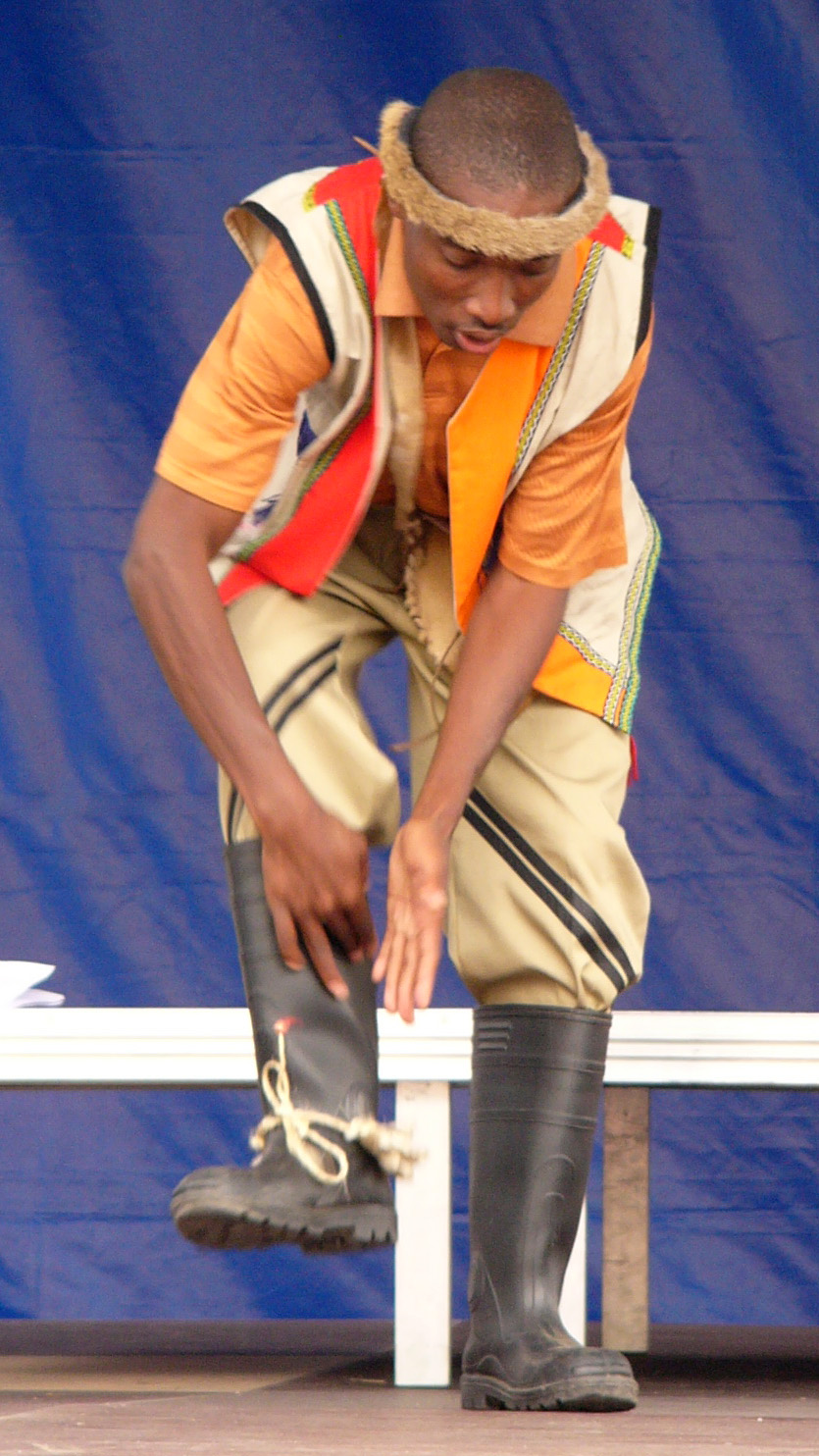 🇿🇦 South AfricaGumboot dance
A South African dance performed in rubber boots, using stamping and slapping for rhythmFolk dance · Group
🇿🇦 South AfricaGumboot dance
A South African dance performed in rubber boots, using stamping and slapping for rhythmFolk dance · Group