Flexing
A Brooklyn street dance built on Jamaican bruk-up rhythms and showmanship moves.
Flexing is a street dance style from Brooklyn, New York. It evolved from Jamaican bruk-up and uses rhythmic animation rather than hip-hop roots. Dancers mix several distinct movement styles to create a unique performance.
Watch it dancedShare on WhatsApp
- Originated in Brooklyn, New York in 1992.
- Evolved from Jamaican bruk-up dance.
- Uses FDM (Flex Dance Music) for rhythm.
- Includes eight distinct movement styles.
- Featured in the film Flex Is Kings.
What is Flexing?
Flexing, also known as FlexN, is a street dance form that originated in Brooklyn, New York. It is defined by rhythmic animation set to Brukup or Dancehall music. The style incorporates various showmanship elements, including bonebreaking and hat tricks. Unlike many other American street dances, it does not stem from hip-hop culture or funk music. Instead, it draws directly from Jamaican dance traditions. Dancers often blend multiple movement techniques into a single routine.
Where does Flexing come from?
The dance traces its roots to the early 1990s. In 1992, Rocky and Sandra Cummings hosted a talent show and local cable program called 'Flex N Brooklyn' in New York City. The style developed from Jamaican bruk-up, which Stefan Clemente described as a reggae style of animation. Musical influences include reggae, dancehall, and the instrumental track known as the 'Volume' riddim. Producers of this sound refer to it as FDM, or Flex Dance Music.
How is Flexing danced?
Performers mix eight distinct movement styles during their routines. Bone-breaking involves rhythmic contortionist movements. Bruk Up mimics the motion of broken limbs. Connecting resembles tutting but has different origins. Get Lo integrates floor work with vertical levels. Grooving provides the foundation through subtle or aggressive rhythmic steps. Gliding creates an illusion of floating using precise hand and foot placement. Pausing stops movement like a paused film. Hat Tricks uses headwear for visual illusions.
Flexing, drawn
The music of Flexing
The dance is performed to FDM, or Flex Dance Music. This genre includes reggae and dancehall beats. A key musical influence is the chopped-up instrumental known as the 'Volume' riddim. The rhythm drives the animation and showmanship elements of the performance. The music supports the varied tempo of the movements, allowing for both fast and slow transitions.
Costume and what is carried
Dancers may incorporate hats into their performances. Hat Tricks is a specific style that uses headwear to create illusions and animations. The costume is generally casual street wear suitable for movement. No specific traditional garments are required for the dance.
When and where Flexing is danced
Flexing is primarily performed as a street dance and for stage presentations. It has appeared on television shows like America's Best Dance Crew and The LXD. Performances have taken place at venues such as the Guggenheim Museum and the Tribeca Film Festival. The dance is passed on through crews and competitions like BattleFest.
Styles of Flexing
The style includes eight recognized movement variations. Dancers often combine these techniques rather than sticking to one. Bone-breaking focuses on contortion. Bruk Up emphasizes broken limb aesthetics. Connecting uses angular hand positions. Get Lo mixes floor and standing levels. Grooving sets the rhythmic flow. Gliding simulates air walking. Pausing creates stop-motion effects. Hat Tricks utilizes props for visual tricks.
What Flexing means
Flexing has gained exposure through media appearances and documentaries. The 2013 film 'Flex Is Kings' followed dancers leading up to a competition. Articles about flexers have appeared in publications like The New Yorker and the Huffington Post. The dance maintains a connection to its Jamaican roots while establishing a distinct identity in New York City.
Questions people ask about Flexing
Where did flexing originate?
Flexing started in Brooklyn, New York, in 1992. It was created by Rocky and Sandra Cummings through their local cable show and talent events.
What music accompanies flexing?
It is danced to FDM, or Flex Dance Music. This includes reggae, dancehall, and the instrumental Volume riddim.
Is flexing related to hip-hop?
No. Unlike other US street dances, flexing did not come from hip-hop culture or funk music. It evolved from Jamaican bruk-up.
What are the main movement styles?
There are eight styles: bone-breaking, bruk up, connecting, get lo, grooving, gliding, pausing, and hat tricks.
When is flexing typically performed?
It is performed as a street dance and on stage. It has appeared on TV shows, at museums, and in film festivals.
Good reading and sources
- Flexing (dance) on WikipediaEncyclopedia
- Wikidata recordOpen data
- Videos of Flexing on YouTubeSearch results, not chosen by EveryGhunghroo
The facts on this page come from the Wikipedia article "Flexing (dance)", written by its contributors and used under the CC BY-SA 4.0 licence, and from its Wikidata record (CC0). EveryGhunghroo rewrote the text in its own words, with AI assistance, and compares every page with the article to make sure no passage is copied. It may be reused under the same CC BY-SA 4.0 licence with a link back.
It may contain mistakes, and it describes the dance in outline: it is not a lesson. Traditions differ from one teacher, village or family to the next. If something is wrong, tell us. Last refreshed 2026-10-04.
More from the United States
All the dances of the United States 🇺🇸 United States and 5 moreBreakdancing
A street dance with acrobatics, floorwork and freezes, born in 1970s New York CityStreet or club dance · Solo · Group
🇺🇸 United States and 5 moreBreakdancing
A street dance with acrobatics, floorwork and freezes, born in 1970s New York CityStreet or club dance · Solo · Group
 🇺🇸 United StatesCharleston
A fast-paced dance with kicks and twists, first popular in 1920s AmericaSocial dance · Solo · Couple
🇺🇸 United StatesPopping
A street dance built on quick muscle contractions, born in California’s funk sceneStreet or club dance · Solo · Group
🇺🇸 United StatesCharleston
A fast-paced dance with kicks and twists, first popular in 1920s AmericaSocial dance · Solo · Couple
🇺🇸 United StatesPopping
A street dance built on quick muscle contractions, born in California’s funk sceneStreet or club dance · Solo · Group
 🇺🇸 United States and 5 moreHip-hop dance
Improvised street dance styles shaped by hip-hop music and cultureStreet or club dance · Solo · Group
🇺🇸 United States and 5 moreHip-hop dance
Improvised street dance styles shaped by hip-hop music and cultureStreet or club dance · Solo · Group
Its cousins elsewhere
All street and club dances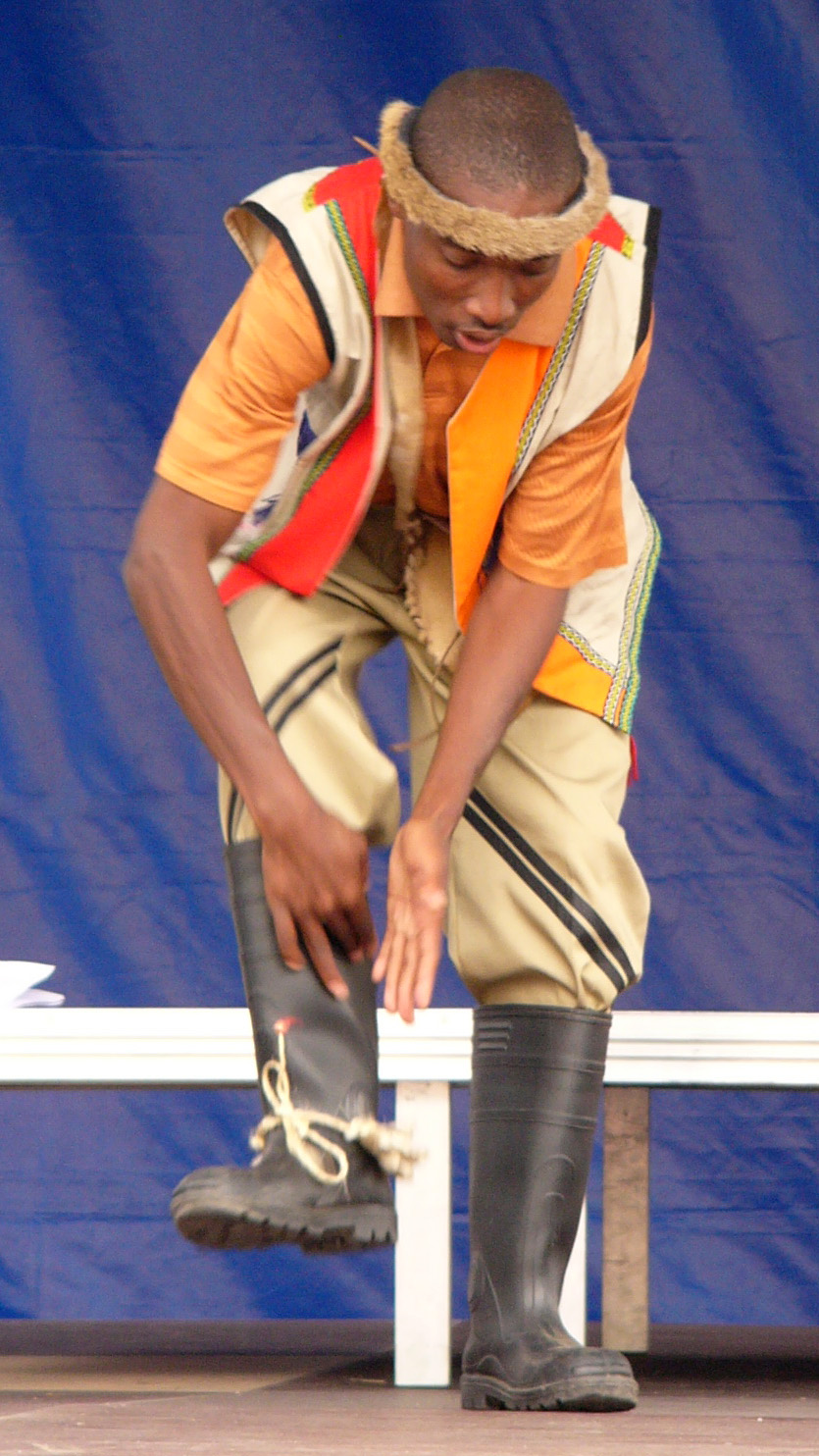 🇿🇦 South AfricaGumboot dance
A South African dance performed in rubber boots, using stamping and slapping for rhythmFolk dance · Group
🇿🇦 South AfricaGumboot dance
A South African dance performed in rubber boots, using stamping and slapping for rhythmFolk dance · Group