
Maruni
In its own language: मारुनी नाच
A Nepali folk dance of the Magar people, danced to nine-instrument orchestra music
Maruni is an ancient folk dance created by the Magar people of Nepal and performed across the Nepali diaspora. Men and women dance in bright clothing during festivals like Dashain and Tihar, accompanied by a comedian and traditional orchestra.
Watch it dancedShare on WhatsApp
- Originated with the Magar community of Western Nepal in the 14th century.
- Accompanied by the Naumati Baja, an orchestra made of nine unique instruments.
- Features a clown called Dhatu Waray who acts as a comedian alongside the dancers.
- Performed during Dashain and Tihar to celebrate the victory of good over evil.
What is Maruni?
Maruni is an old Nepali folk dance originating with the Magar community and practiced across Nepal, Bhutan, Myanmar, and regions of India including Sikkim, Assam, and Darjeeling. Both men and women participate, wearing bright clothing and shining jewelry. A humorous character known as the Dhatu Waray, meaning liar, joins the dancers to entertain the audience as a jester. Celebrated to mark the triumph of good over evil, the performance is supported by a traditional nine-instrument ensemble. Over time, neighboring communities such as the Gurung, Kirat, and Khas have also adopted the dance into their own celebrations.
Where does Maruni come from?
The dance traces back to the Magarat territory of Western Nepal. Historical tradition states that Magar soldiers created Maruni during the 14th century on behalf of their sick ruler, King Balihang Rana Magar, whose 15th-century realm reached from Palpa and Pokhara to Butwal and Gorakhpur. Along with the Sorathi dance, it developed as an essential local tradition. As Magar populations moved from Western to Eastern Nepal, they carried the performance with them, adapting it into regional styles. In time, other ethnic groups across the region embraced and performed the tradition.
How is Maruni danced?
Performances by Eastern Magars are structured into distinct sequential parts. The dancers progress through named sections that include Jhyaure, Saran Maruni, Sorathi Garra, and Khyali. During the later stages of the performance, a dedicated phase is danced specifically for the welfare and prosperity of the host household, followed by a final section that formally completes the dance. Throughout the presentation, the dancers interact with the Dhatu Waray jester, who introduces comedic antics and playful deception alongside the group as they celebrate the defeat of evil.
Maruni, drawn
The music of Maruni
The dance is accompanied by the Naumati Baja, a traditional Nepali musical orchestra composed of nine unique instruments. During the Balihang festival, musical performances accompany Maruni alongside related dances like Sorathi and Hurra. The songs incorporate historic expressions tied to King Balihang Rana Magar, including 'Deusi Re', which translates to Priest-King, and 'Bahilo', which means 'let us help'.
Costume and what is carried
Dancers appear in brightly colored clothing decorated with shining ornaments. Both men and women dress in these festive outfits for their performances, wearing traditional nose rings and rich jewelry. These decorative elements are worn to present a celebratory visual display during public holiday events, wedding ceremonies, and domestic gatherings across the community.
When and where Maruni is danced
Originally staged during Dashain and the Tihar festival, Maruni is danced to commemorate the triumph of good over evil. It is also performed during the Balihang festival alongside other Magar dances. Over time, the tradition expanded into private social life, becoming a common celebratory performance at weddings and household gatherings to bring blessings to hosts.
Styles of Maruni
Regional forms of Maruni vary across geography. The style danced in Western Nepal differs from eastern variations, which evolved after Magar migrants settled in Eastern Nepal and introduced minor changes. In the east, the dance includes specific forms like Saran Maruni and Sorathi Garra, while separate communities like the Kirat, Gurung, and Khas have adopted their own styles.
What Maruni means
Maruni Nach has long served as a vital cultural identifier for the Magar people. In recent times, the dance faced the risk of disappearing because fewer young people were interested in learning the tradition. This concern prompted community members to organize preservation efforts, actively encouraging the younger generation to keep Maruni alive throughout Nepal and diaspora settlements abroad.
Questions people ask about Maruni
Where does the Maruni dance come from?
Maruni originated in the Magarat region of Western Nepal among the Magar people. Tradition states that the Magar army created the dance during the 14th century for the ailing monarch King Balihang Rana Magar.
When is Maruni performed?
Maruni is danced during major festivals like Dashain, Tihar, and Balihang to celebrate the triumph of good over evil. It is also commonly performed at family celebrations, especially weddings and house blessings.
Who dances Maruni?
Both men and women perform Maruni. While created by the Magar community, it is also danced today by Gurung, Kirat, and Khas communities across Nepal, India, Bhutan, and Myanmar.
What is the role of the Dhatu Waray in Maruni?
The Dhatu Waray is a clown whose name translates to liar. This character accompanies the dancers and serves as a comedian and jester throughout the performance.
Good reading and sources
- Maruni on WikipediaEncyclopedia
- Wikidata recordOpen data
- Videos of Maruni on YouTubeSearch results, not chosen by Ghungroo
The facts on this page come from the Wikipedia article "Maruni", written by its contributors and used under the CC BY-SA 4.0 licence, and from its Wikidata record (CC0). Ghungroo rewrote the text in its own words, with AI assistance, and compares every page with the article to make sure no passage is copied. It may be reused under the same CC BY-SA 4.0 licence with a link back.
It may contain mistakes, and it describes the dance in outline: it is not a lesson. Traditions differ from one teacher, village or family to the next. If something is wrong, tell us. Last refreshed 2026-10-04.
More from Nepal
All the dances of Nepal 🇳🇵 Nepal and 3 moreDeusi-Bhailoदेउसी-भैलो
A house-to-house singing and dancing tradition during Tihar in NepalFolk dance · Group · Procession
🇳🇵 Nepal and 3 moreDeusi-Bhailoदेउसी-भैलो
A house-to-house singing and dancing tradition during Tihar in NepalFolk dance · Group · Procession
 🇬🇷 Greece and 5 moreCircle dance
A group dance in a circle or curved line, joined by hand and led around the floorFolk dance · Circle · Line or chain
🇬🇷 Greece and 5 moreCircle dance
A group dance in a circle or curved line, joined by hand and led around the floorFolk dance · Circle · Line or chain
 🇮🇳 India and 1 moreChholiyaछोलिया
A Kumaoni sword dance performed by men in a marriage procession to ward off evil spirits.Folk dance · Group
🇮🇳 India and 1 moreDomkach
A semi-circle wedding dance with satirical songs, danced by families.Folk dance · Circle
🇮🇳 India and 1 moreChholiyaछोलिया
A Kumaoni sword dance performed by men in a marriage procession to ward off evil spirits.Folk dance · Group
🇮🇳 India and 1 moreDomkach
A semi-circle wedding dance with satirical songs, danced by families.Folk dance · Circle
Its cousins elsewhere
All folk dances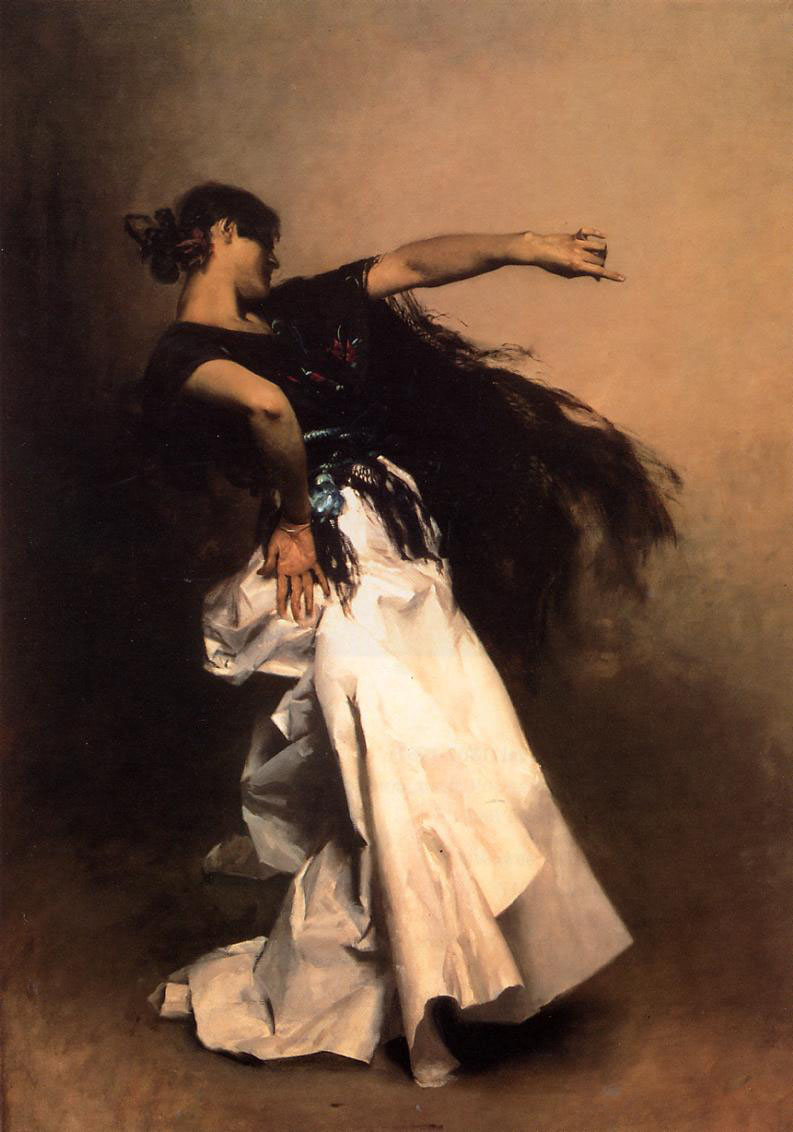 🇪🇸 SpainFlamenco
A dramatic dance and music tradition rooted in Andalusia's gitano and folk culturesFolk dance · Solo · Group
🇪🇸 SpainFlamenco
A dramatic dance and music tradition rooted in Andalusia's gitano and folk culturesFolk dance · Solo · Group
 🇦🇷 Argentina and 1 moreTango
A partner dance from the Río de la Plata, danced in close or open embraceSocial dance · Couple
🇦🇷 Argentina and 1 moreTango
A partner dance from the Río de la Plata, danced in close or open embraceSocial dance · Couple
 🇦🇹 Austria and 4 moreWaltz
A turning couple dance in triple time, first popular in 18th-century EuropeBallroom or Latin dance · Couple
🇦🇹 Austria and 4 moreWaltz
A turning couple dance in triple time, first popular in 18th-century EuropeBallroom or Latin dance · Couple
 🇧🇷 BrazilCapoeira
A Brazilian martial art that blends dance, acrobatics, and music in a circle gameWar or martial dance · Circle · Solo
🇧🇷 BrazilCapoeira
A Brazilian martial art that blends dance, acrobatics, and music in a circle gameWar or martial dance · Circle · Solo