Pagode
A samba-based dance and music style from Brazil's late 20th-century celebrations
Pagode is a Brazilian dance and music style that grew out of samba in Rio de Janeiro in the late 1970s and early 1980s. It is danced at lively gatherings, often called pagodes, where people celebrate with food, music, and dance. The style features new instruments and a playful, slang-filled lyricism. Today, pagode is a key part of social events in Brazil, especially in Bahia, Rio de Janeiro, and São Paulo.
Watch it dancedShare on WhatsApp
- Pagode developed from samba in Rio de Janeiro in the late 1970s
- The 4-string banjo is a signature instrument of pagode music
- Pagode gatherings are open, lively parties with music and dance
- Lyrics often use slang and playful language
- Anyone at a pagode can join the dance
What is Pagode?
Pagode is a Brazilian dance and music style rooted in samba, known for its lively gatherings where people dance, sing, and celebrate together. It is most often seen in group settings, sometimes arranged in a circle, with everyone joining in. The music is marked by the use of the 4-string banjo, tan-tan drum, and hand-repique, creating a rhythmic and festive atmosphere. Anyone present at a pagode party may join the dance, making it a communal experience.
Where does Pagode come from?
Pagode emerged in Rio de Janeiro in the late 1970s and early 1980s as a fresh take on samba. The name originally referred to a party with music, food, and dance, but also recalls historical gatherings of enslaved people in Brazil. The style was shaped by musicians like those in the band Fundo de Quintal, who introduced new instruments and a playful, slang-filled lyricism. Over time, pagode became popular in other regions such as Bahia and São Paulo.
How is Pagode danced?
Pagode is danced in a relaxed, informal way, often in a group or circle. There is no strict choreography; instead, dancers move to the rhythm, swaying, stepping, and clapping along with the music. The focus is on enjoyment and participation, with dancers responding to the energy of the musicians and the crowd. The dance is accessible, allowing anyone at the event to join in.
Pagode, drawn
The music of Pagode
Pagode music is built on samba rhythms but uses a distinct set of instruments. The 4-string banjo, introduced by Almir Guineto, gives a bright, loud sound that stands out in group settings. The tan-tan, a hand-played drum, keeps the main beat, while the hand-repique adds rhythmic flourishes. Lyrics often use slang and playful language, reflecting the informal, fun spirit of the gatherings.
Costume and what is carried
There is no set costume for pagode. Dancers and musicians typically wear everyday clothes suited to a party or casual gathering. The emphasis is on comfort and ease of movement, as the dance is about participation rather than performance.
When and where Pagode is danced
Pagode is most often danced at social gatherings, parties, and festivals in Brazil, especially in Bahia, Rio de Janeiro, and São Paulo. These events are open to anyone, with music and dance as the main attractions. The tradition is passed on informally, with newcomers learning by joining in at celebrations.
Styles of Pagode
Pagode has evolved since its beginnings, with some versions becoming highly commercial and pop-oriented. The original style, however, remains rooted in community gatherings and samba circles. Regional differences exist, but the core elements—group participation, live music, and a festive mood—remain central.
What Pagode means
Pagode is closely tied to Brazilian social life and identity, especially in urban centers. It reflects both the joy of communal celebration and the history of gatherings among marginalized groups. While some see modern commercial pagode as less authentic, the original form continues to be valued for its sense of community and fun.
Questions people ask about Pagode
Where does pagode come from?
Pagode originated in Rio de Janeiro, Brazil, in the late 1970s and early 1980s as a new style of samba music and dance.
When is pagode danced?
Pagode is danced at social gatherings, parties, and festivals, especially in regions like Bahia, Rio de Janeiro, and São Paulo.
Who can dance pagode?
Anyone present at a pagode gathering can join the dance. It is a communal activity without strict rules or choreography.
What instruments are used in pagode?
Pagode music features the 4-string banjo, tan-tan drum, and hand-repique, which give it a distinct sound compared to traditional samba.
Is there a special costume for pagode?
No, there is no special costume. People usually wear comfortable, everyday clothes suitable for a party.
Good reading and sources
- Pagode on WikipediaEncyclopedia
- More photos and video on Wikimedia CommonsPhotos and video
- Wikidata recordOpen data
- Videos of Pagode on YouTubeSearch results, not chosen by Ghungroo
The facts on this page come from the Wikipedia article "Pagode", written by its contributors and used under the CC BY-SA 4.0 licence, and from its Wikidata record (CC0). Ghungroo rewrote the text in its own words, with AI assistance, and compares every page with the article to make sure no passage is copied. It may be reused under the same CC BY-SA 4.0 licence with a link back.
It may contain mistakes, and it describes the dance in outline: it is not a lesson. Traditions differ from one teacher, village or family to the next. If something is wrong, tell us. Last refreshed 2026-10-03.
More from Brazil
All the dances of Brazil 🇧🇷 BrazilCapoeira
A Brazilian martial art that blends dance, acrobatics, and music in a circle gameWar or martial dance · Circle · Solo
🇧🇷 BrazilCapoeira
A Brazilian martial art that blends dance, acrobatics, and music in a circle gameWar or martial dance · Circle · Solo
 🇧🇷 BrazilMaracatu
A parade of drums, song and royal court figures from Pernambuco, BrazilFolk dance · Procession · Group
🇧🇷 BrazilSamba-reggae
A Carnival street dance from Bahia, led by drummers and rooted in Afro-Brazilian prideFolk dance · Group · Procession
🇧🇷 BrazilMaracatu
A parade of drums, song and royal court figures from Pernambuco, BrazilFolk dance · Procession · Group
🇧🇷 BrazilSamba-reggae
A Carnival street dance from Bahia, led by drummers and rooted in Afro-Brazilian prideFolk dance · Group · Procession
 🇳🇬 Nigeria and 1 moreEgungunEgúngún
A Yoruba ancestor masquerade where robed dancers embody the spirits of the dead.Ritual dance · Group · Procession
🇳🇬 Nigeria and 1 moreEgungunEgúngún
A Yoruba ancestor masquerade where robed dancers embody the spirits of the dead.Ritual dance · Group · Procession
Its cousins elsewhere
All folk dances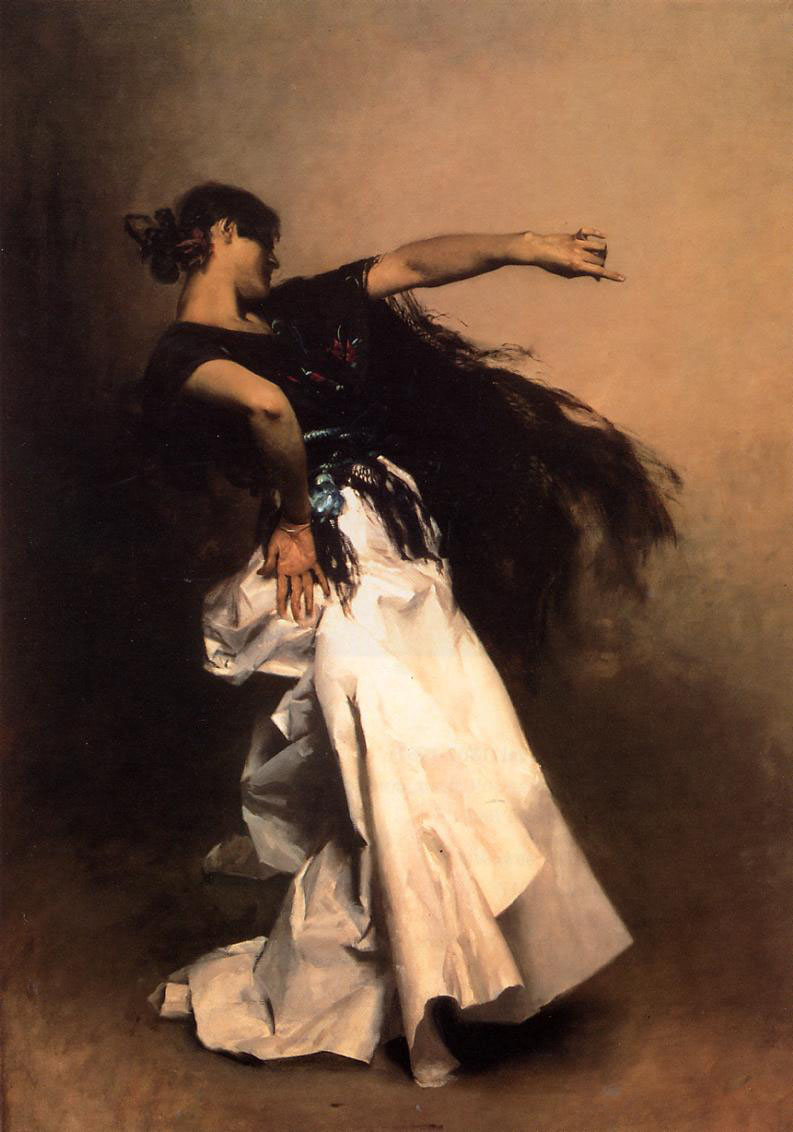 🇪🇸 SpainFlamenco
A dramatic dance and music tradition rooted in Andalusia's gitano and folk culturesFolk dance · Solo · Group
🇪🇸 SpainFlamenco
A dramatic dance and music tradition rooted in Andalusia's gitano and folk culturesFolk dance · Solo · Group
 🇦🇹 Austria and 4 moreWaltz
A turning couple dance in triple time, first popular in 18th-century EuropeBallroom or Latin dance · Couple
🇦🇹 Austria and 4 moreWaltz
A turning couple dance in triple time, first popular in 18th-century EuropeBallroom or Latin dance · Couple
 🇮🇳 India and 1 moreFolk dance
Traditional group dances rooted in local life and passed down through generationsFolk dance · Group · Circle
🇮🇳 India and 1 moreFolk dance
Traditional group dances rooted in local life and passed down through generationsFolk dance · Group · Circle
 🇪🇬 Egypt and 3 moreBelly danceرقص شرقي
A Middle Eastern dance focused on hip and torso articulation.Folk dance · Solo
🇪🇬 Egypt and 3 moreBelly danceرقص شرقي
A Middle Eastern dance focused on hip and torso articulation.Folk dance · Solo