
Step dance
A family of percussive dances where intricate footwork creates the primary rhythm.
Step dance is a broad category for styles where the feet act as percussion instruments. Dancers use hard-soled shoes to strike rhythms against the floor while keeping upper body movements minimal or still.
Watch it dancedShare on WhatsApp
- Feet act as percussion instruments creating the primary rhythm.
- Upper body movements are restricted or minimal.
- Hard-soled shoes are essential for producing sound.
- Fiddles and pipes provide traditional musical accompaniment.
- Competitions known as feis and step shows are common venues.
What is Step dance?
This term covers various dance styles where the feet are the main source of sound and rhythm. The arms usually stay close to the sides or move very little, so the viewer focuses entirely on the legs. Dancers wear special footwear that strikes the floor to create beats. These beats match the tempo of accompanying music. The style appears in many cultures, from Ireland to North America. It ranges from solo performances to large synchronized group routines.
Where does Step dance come from?
The roots of these dances are diverse. African American stepping traces its lineage to Africa and was popularized by Greek-letter organizations. Cape Breton step dance arrived with Scottish immigrants in the nineteenth century. Irish step dance evolved from older local traditions. Tap dancing developed later, blending influences from multiple older forms. Traditional English versions persist in regions like East Anglia. Other regional forms include Malambo in Argentina and Zapateado in Mexico.
How is Step dance danced?
Dancers keep their feet close to the ground to ensure precise timing. Each step must land exactly on the musical beat. In traditional Cape Breton styles, movements are symmetrical and mirrored between left and right. Modern variations may introduce asymmetrical steps or off-beat rhythms. Upper body posture remains rigid and still in many forms. Group routines often feature call-and-response patterns and drill-like formations.
Step dance, drawn
The music of Step dance
Accompaniment varies by region but always supports the rhythmic footwork. Fiddles are central to Cape Breton music, playing strathspeys that drive the dance. Pipes and whistles also provide melody. Mouth music, or singing without words, can serve as the sole accompaniment. Piano often joins the fiddle in contemporary settings. The music typically follows structures like jigs and reels.
Costume and what is carried
Footwear is the most critical element of the costume. Hard-soled shoes or clogs produce the necessary percussive sounds. Traditional Irish costumes can be elaborate, featuring bright colors and detailed designs. Stepping participants wear organization-specific attire representing their fraternities or sororities. Some English dancers bring wooden boards to dance upon, enhancing the sound.
When and where Step dance is danced
These dances occur at social gatherings, competitions, and stage performances. Step shows are competitive events for African American groups. Irish feis are formal competitions dating back to the late nineteenth century. Pub sessions in England feature informal dancing to folk tunes. Stage productions like Riverdance and Lord of the Dance have brought these styles to global audiences.
Styles of Step dance
Cape Breton style blends Irish, Acadian, and Ottawa Valley influences. Contemporary versions diverge from strict traditional precision. Tap dancing incorporates elements from jazz and other modern genres. Malambo and Zapateado represent distinct South American interpretations. Traditional English styles remain localized to specific rural areas.
What Step dance means
Step dance serves as a marker of cultural identity and community pride. For African American organizations, it fosters bonding and displays unity. Irish step dance has achieved international fame through theatrical productions. UNESCO recognition highlights the importance of preserving these percussive traditions. The art form continues to evolve while maintaining its core focus on rhythmic footwork.
Questions people ask about Step dance
What makes step dance different from other styles?
The defining feature is that the feet generate the rhythm. Arm movements are kept still or minimal, directing all attention to the complex footwork striking the floor.
Where did step dance originate?
It has multiple origins. African American stepping comes from African traditions. Cape Breton style arrived with Scottish settlers. Irish step dance evolved locally. Other forms exist in England, Argentina, and Mexico.
What kind of music accompanies it?
Music provides the tempo for the footwork. Common instruments include fiddles, pipes, whistles, and pianos. Singing without words, called mouth music, is also used.
Who performs step dance?
It is performed by individuals and groups. African American stepping involves fraternity and sorority members. Irish and Cape Breton styles feature soloists and teams in competitions.
Good reading and sources
- Step dance on WikipediaEncyclopedia
- Wikidata recordOpen data
- Videos of Step dance on YouTubeSearch results, not chosen by Ghungroo
The facts on this page come from the Wikipedia article "Step dance", written by its contributors and used under the CC BY-SA 4.0 licence, and from its Wikidata record (CC0). Ghungroo rewrote the text in its own words, with AI assistance, and compares every page with the article to make sure no passage is copied. It may be reused under the same CC BY-SA 4.0 licence with a link back.
It may contain mistakes, and it describes the dance in outline: it is not a lesson. Traditions differ from one teacher, village or family to the next. If something is wrong, tell us. Last refreshed 2026-10-04.
More from Ireland
All the dances of Ireland 🇨🇿 Czech Republic and 5 morePolka
A lively partner dance in 2/4 time from 19th-century BohemiaFolk dance · Couple · Circle
🇨🇿 Czech Republic and 5 morePolka
A lively partner dance in 2/4 time from 19th-century BohemiaFolk dance · Couple · Circle
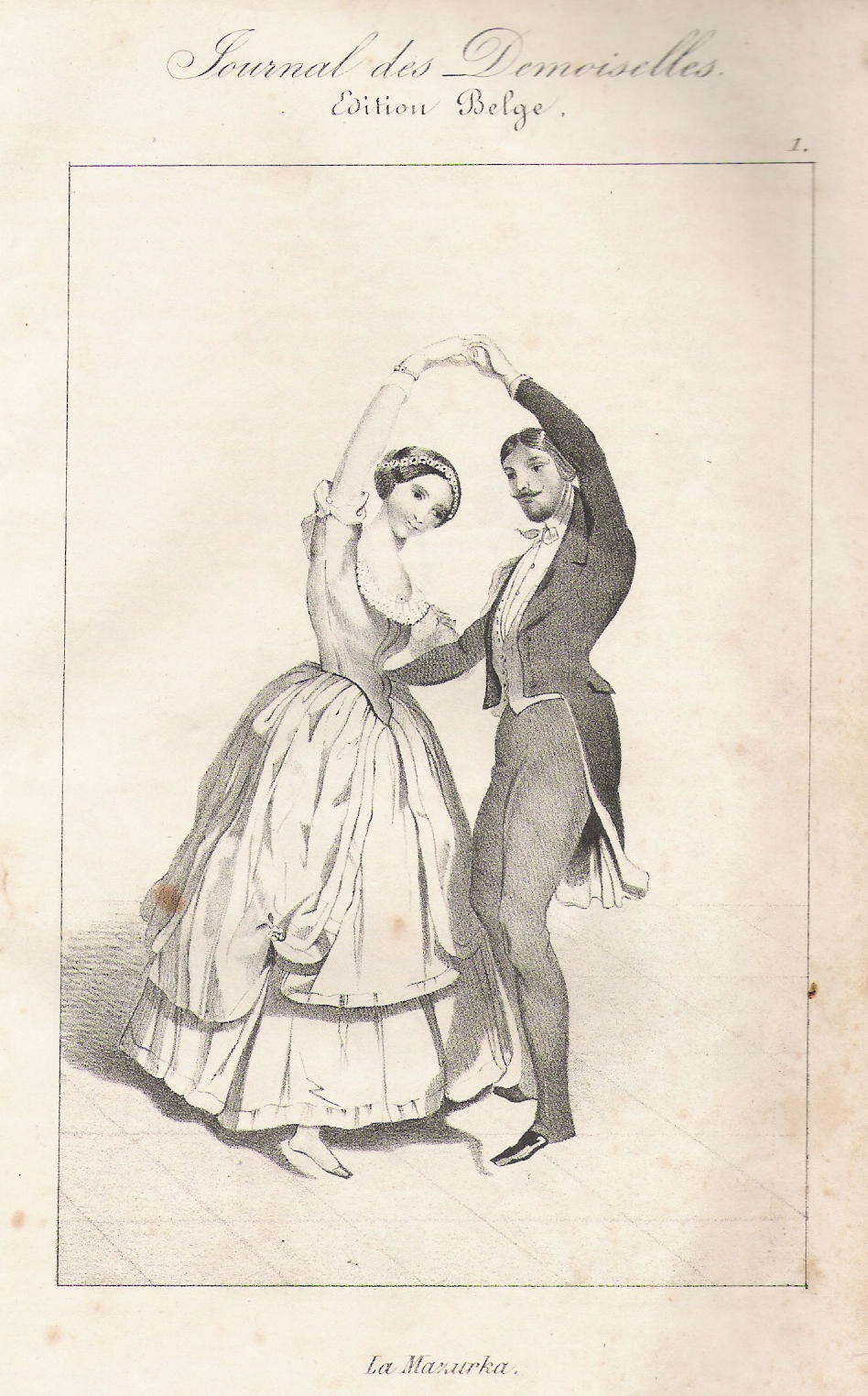 🇵🇱 Poland and 5 moreMazurka
A lively Polish folk dance in triple time, known for its shifting accentsFolk dance · Couple · Group
🇵🇱 Poland and 5 moreMazurka
A lively Polish folk dance in triple time, known for its shifting accentsFolk dance · Couple · Group
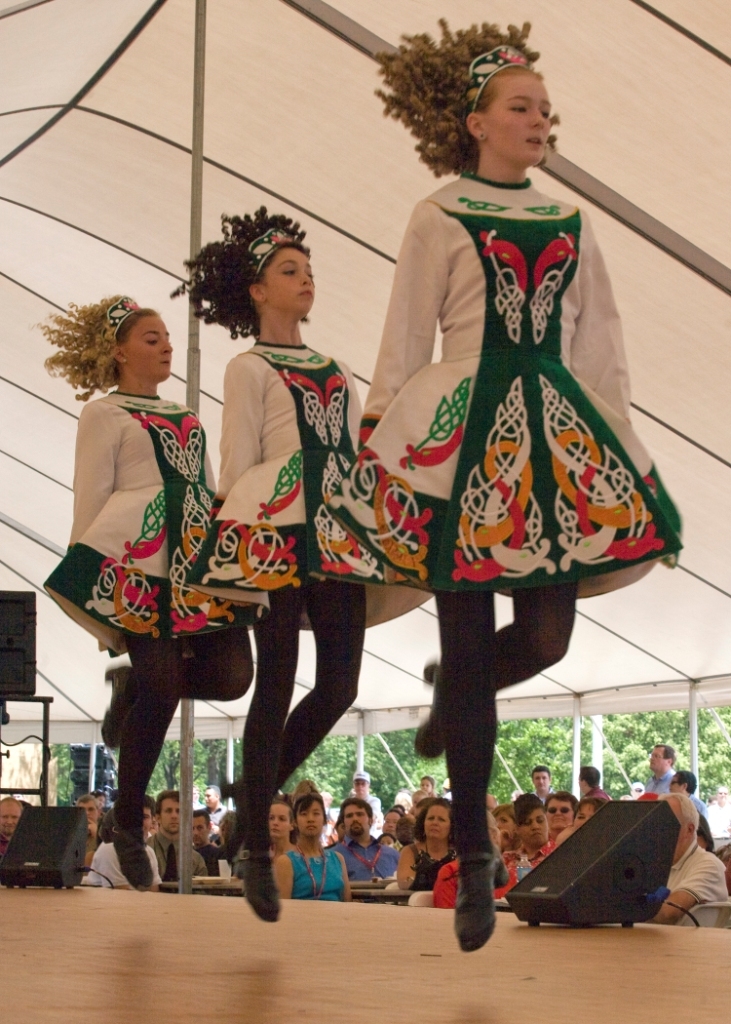 🇮🇪 Ireland and 3 moreIrish dance
Solo and group dances from Ireland, known for fast footwork and lively formationsFolk dance · Solo · Group
🇮🇪 Ireland and 3 moreIrish dance
Solo and group dances from Ireland, known for fast footwork and lively formationsFolk dance · Solo · Group
 🇮🇪 Ireland and 2 moreJigport
A lively folk dance in compound time, central to Irish and Scottish traditionFolk dance · Solo · Group
🇮🇪 Ireland and 2 moreJigport
A lively folk dance in compound time, central to Irish and Scottish traditionFolk dance · Solo · Group
Its cousins elsewhere
All folk dances 🇺🇸 United States and 2 moreContra dance
A social line dance for pairs, led by a caller and set to live folk tunesFolk dance · Couple · Line or chain
🇺🇸 United States and 2 moreContra dance
A social line dance for pairs, led by a caller and set to live folk tunesFolk dance · Couple · Line or chain
 🇺🇸 United States and 1 moreTraditional square dance
A group dance in fours, led by a caller to live fiddle tunes across North America.Folk dance · Group
🇦🇺 Australia and 1 moreBush dance
A social partner dance from Australia, performed to live folk tunes in community halls.Folk dance · Circle · Line or chain
🇺🇸 United States and 1 moreTraditional square dance
A group dance in fours, led by a caller to live fiddle tunes across North America.Folk dance · Group
🇦🇺 Australia and 1 moreBush dance
A social partner dance from Australia, performed to live folk tunes in community halls.Folk dance · Circle · Line or chain
 🇺🇸 United StatesTap dance
A percussive dance using metal-soled shoes to create rhythms on the floorFolk dance · Solo · Group
🇺🇸 United StatesTap dance
A percussive dance using metal-soled shoes to create rhythms on the floorFolk dance · Solo · Group