Waacking
A street dance with fast arm moves and dramatic poses, set to disco music
Waacking is a street dance that began in Los Angeles in the early 1970s, shaped by the LGBTQ+ club scene. Dancers use quick, circular arm movements and striking poses, often to disco or post-disco tracks. The style highlights personal expression and draws on Hollywood glamour, jazz, and martial arts. Waacking has moved from underground clubs to TV, stage, and international competitions.
Watch it dancedShare on WhatsApp
- Started in Los Angeles LGBTQ+ clubs in the early 1970s
- Features fast, circular arm movements and dramatic poses
- Danced mainly to disco and post-disco music
- Inspired by Hollywood movie stars’ style and attitude
- Gained wider fame through TV shows like Soul Train
What is Waacking?
Waacking is a freestyle dance style where dancers move their arms in rapid, circular patterns above and around the shoulders, often pausing in dramatic poses. The dance is known for its theatrical flair, with performers using facial expressions and gestures inspired by classic film stars. While it can be danced alone or as part of a group, each dancer brings their own personality and interpretation. The music is usually upbeat disco or post-disco, which matches the energetic and expressive movement.
Where does Waacking come from?
Waacking grew out of the Los Angeles club scene in the early 1970s, especially among LGBTQ+ dancers. It started as punking, a term reclaimed from a slur, and featured a move called 'whack'—swinging the arms rhythmically overhead. To avoid negative associations, the name shifted to waackin, and later became waacking. The style remained mostly within clubs until it appeared on television shows like Soul Train, helping it reach a wider audience. Over time, waacking has been adopted by dance schools and featured in international competitions.
How is Waacking danced?
The dance is marked by swift, rotating arm movements, sharp stops, and striking poses. Dancers use their upper bodies to create lines and shapes, often mimicking the elegance of old Hollywood stars. There is a strong emphasis on musicality, with gestures and poses timed to the beat or lyrics. While the arms are the focus, dancers also use footwork and body angles to add dynamics. The style encourages improvisation and self-expression, so no two performances look exactly the same.
Waacking, drawn
The music of Waacking
Waacking is most often performed to disco tracks from the 1970s and early 1980s, sometimes sped up to boost the energy. The music’s driving beat supports the dance’s quick, rhythmic arm movements and dramatic pauses. While disco is the traditional choice, some dancers use post-disco or other upbeat genres. The connection between movement and music is central, with dancers interpreting the rhythm and mood through their bodies.
Costume and what is carried
Dancers often take inspiration from the glamour of classic Hollywood, wearing stylish or flamboyant outfits that allow for free arm movement. Accessories and bold makeup may be used to enhance facial expressions and poses. The clothing is chosen to reflect personal style and to highlight the dramatic quality of the dance, but there is no fixed costume.
When and where Waacking is danced
Waacking began in nightclubs and social gatherings, where it was a way for dancers to express themselves and connect with others. Today, it is performed on stage, in competitions, and sometimes taught in university dance programs. The style is open to anyone and is often passed on through workshops, battles, and classes, both in person and online.
Styles of Waacking
Over time, waacking has absorbed elements from jazz, gymnastics, and martial arts, and each dancer may bring their own influences. The style has also been shaped by pop culture, with some routines borrowing moves from cartoons or ice dance. Regional and individual variations exist, but the core remains expressive arm movement and posing.
What Waacking means
Waacking is closely tied to LGBTQ+ history and club culture in Los Angeles. It has become a symbol of self-expression and resilience, moving from underground spaces to mainstream recognition. The dance has appeared on television and in international competitions, and continues to evolve as new generations reinterpret its style. Its influence can be seen in figure skating, animation, and popular music videos.
Questions people ask about Waacking
Where did waacking originate?
Waacking began in Los Angeles in the early 1970s, created by dancers in LGBTQ+ nightclubs who wanted a style that expressed their individuality and flair.
What kind of music is used for waacking?
The dance is usually performed to disco or post-disco tracks from the 1970s and 1980s, often with a fast tempo to match the energetic arm movements.
How is waacking different from locking?
Both styles developed in Los Angeles around the same time, but waacking uses disco music and focuses on expressive arm movements, while locking is danced to funk and has different moves and origins.
Who can dance waacking?
Waacking is open to anyone, regardless of gender or background. It started in LGBTQ+ spaces but has since spread to dancers worldwide.
When is waacking usually performed?
Waacking is danced at social gatherings, on stage, in competitions, and sometimes in university dance programs. It is also featured in television shows and international events.
Good reading and sources
- Waacking on WikipediaEncyclopedia
- Wikidata recordOpen data
- Videos of Waacking on YouTubeSearch results, not chosen by Ghungroo
The facts on this page come from the Wikipedia article "Waacking", written by its contributors and used under the CC BY-SA 4.0 licence, and from its Wikidata record (CC0). Ghungroo rewrote the text in its own words, with AI assistance, and compares every page with the article to make sure no passage is copied. It may be reused under the same CC BY-SA 4.0 licence with a link back.
It may contain mistakes, and it describes the dance in outline: it is not a lesson. Traditions differ from one teacher, village or family to the next. If something is wrong, tell us. Last refreshed 2026-10-03.
More from the United States
All the dances of the United States 🇺🇸 United States and 5 moreBreakdancing
A street dance with acrobatics, floorwork and freezes, born in 1970s New York CityStreet or club dance · Solo · Group
🇺🇸 United States and 5 moreBreakdancing
A street dance with acrobatics, floorwork and freezes, born in 1970s New York CityStreet or club dance · Solo · Group
 🇺🇸 United StatesCharleston
A fast-paced dance with kicks and twists, first popular in 1920s AmericaSocial dance · Solo · Couple
🇺🇸 United StatesPopping
A street dance built on quick muscle contractions, born in California’s funk sceneStreet or club dance · Solo · Group
🇺🇸 United StatesCharleston
A fast-paced dance with kicks and twists, first popular in 1920s AmericaSocial dance · Solo · Couple
🇺🇸 United StatesPopping
A street dance built on quick muscle contractions, born in California’s funk sceneStreet or club dance · Solo · Group
 🇺🇸 United States and 5 moreHip-hop dance
Improvised street dance styles shaped by hip-hop music and cultureStreet or club dance · Solo · Group
🇺🇸 United States and 5 moreHip-hop dance
Improvised street dance styles shaped by hip-hop music and cultureStreet or club dance · Solo · Group
Its cousins elsewhere
All street and club dances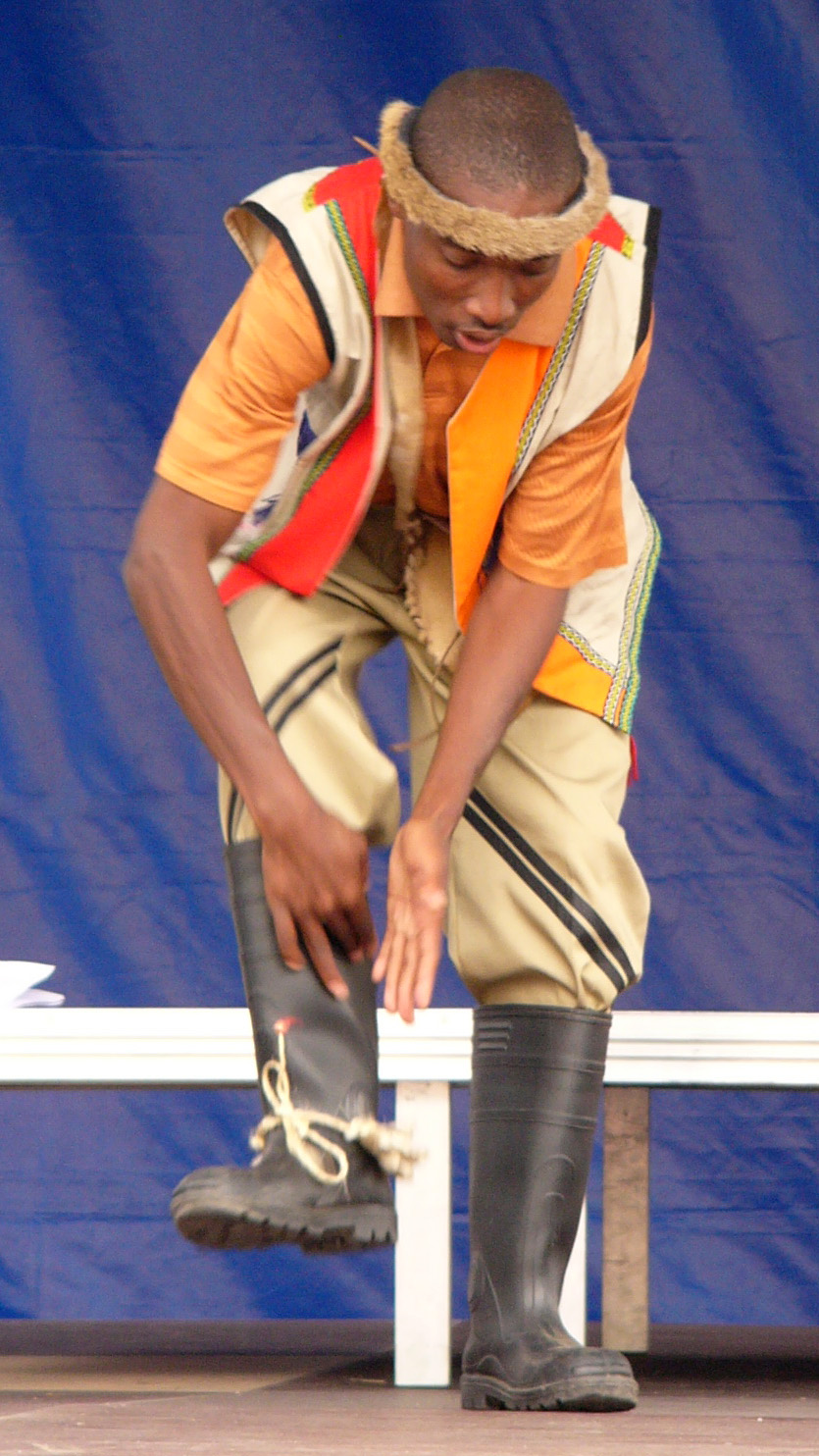 🇿🇦 South AfricaGumboot dance
A South African dance performed in rubber boots, using stamping and slapping for rhythmFolk dance · Group
🇿🇦 South AfricaGumboot dance
A South African dance performed in rubber boots, using stamping and slapping for rhythmFolk dance · Group