🇵🇭 The dances of the Philippines
10 dances from the Philippines, best known first, across 5 cities and regions.
Philippine dance weaves together ancient spirit rites, colonial court styles, and regional storytelling into a living archive of island life. Movements trace bird flights, ocean swells, and harvest cycles while preserving village memory across generations. Each community shapes its own rhythm through local instruments, woven garments, and shared history.
- Tinikling mimics rice birds weaving through bamboo poles.
- Moro dances feature intricate hand movements played to kulintang gongs.
- Spanish court steps were softened and adapted using local fans and castanets.
- Ritual dances preserve village memory and restore balance with nature spirits.
- American vaudeville introduced tap and Latin styles to Philippine theaters.
Dance in the Philippines
Dance in the Philippines functions as both spiritual practice and social record. Communities across thousands of islands use movement to honor nature spirits, mark seasonal changes, and pass down village knowledge. Centuries of foreign contact layered European court steps onto older indigenous patterns, yet dancers softened sharp turns and kept native props like woven fans and bamboo poles. Whether performed for harvest blessings, wedding celebrations, or public festivals, the choreography always returns to imitation of the natural world. Shared values of balance, respect for elders, and communal participation bind these varied forms together.
Folk and regional dances 10 dances
Regional folk traditions thrive across the archipelago, each reflecting local geography and daily routines. Mountain communities perform stomping and sweeping arm gestures that echo earth tremors and bird wings. Coastal groups mirror swimming fish and rolling waves through fluid body lines. Festival performances often feature couples exchanging playful gestures with folded fans or balanced oil lamps. Traditional costumes include wide woven skirts for women and loose cotton shirts paired with bright pants for men. These dances remain active at village gatherings and cultural showcases.
Ritual and ceremonial dance 1 dance
Ceremonial dance serves as a bridge between people, ancestors, and nature spirits known as diwatas. Practitioners use measured gestures, spoken prayers, and symbolic objects to restore harmony after illness, poor harvests, or conflict. Village leaders guide these performances, which act as living archives of ancestral law and ecological wisdom. The movements are never merely decorative; they reenact the duties humans owe to their environment and invoke protection for journeys, marriages, and planting seasons.
Ballet and contemporary dance
Theatrical performance spaces hosted evolving stage works that blended folk motifs with imported theater formats. Early productions combined singing, comedy, and dance in Spanish zarzuela and American vaudeville programs. Urban venues featured dynamic routines that mixed circus acts with local musical comedy. Independent dance troupes began forming to preserve and refine these hybrid stage pieces, ensuring that experimental choreography reached wider audiences beyond village squares.
Music and dress
Accompaniment relies on bronze percussion ensembles featuring the kulintang and agong gongs, alongside wooden xylophones called gabbang and various frame drums. Singing and chanting weave through aquatic and harvest themes. Dancers wear practical yet distinctive clothing, including the flowing balintawak and patadyong skirts, paired with lightweight camisa de chino shirts and colored trousers for men. Bamboo poles, coconut shell castanets, and woven paypays fans serve as both musical props and rhythmic markers.
From region to region
Geographic isolation shaped distinct movement vocabularies across the islands. Northern highland tribes emphasize grounded footwork and expansive arm sweeps that mirror forest canopies and mountain winds. Southern maritime groups incorporate undulating torso motions and quick wrist turns that imitate tides and coral reefs. Lowland populations blend European partner formations with native courtship gestures, creating graceful, structured sequences. Each area preserves its own musical scales, costume textiles, and festival calendars, keeping regional identities visible on stage.
Dance today
Contemporary practice maintains these layered traditions through community workshops, school programs, and annual cultural festivals. Older choreographies are documented by historians and revived by dedicated performers who study archival footage and oral histories. Modern staging keeps historical hybrids alive while new creators experiment with traditional steps. Official recognition and tourism support help sustain local troupes and ensure younger generations continue learning the movements that map Philippine history.
The facts in this overview come from the Wikipedia article "Dance in the Philippines", written by its contributors and used under the CC BY-SA 4.0 licence. Ghungroo rewrote the text in its own words, with AI assistance, and compares every page with the article to make sure no passage is copied. It may be reused under the same CC BY-SA 4.0 licence with a link back.
Cities and regions of the Philippines
 🇨🇿 Czech Republic and 5 morePolka
A lively partner dance in 2/4 time from 19th-century BohemiaFolk dance · Couple · Circle
🇨🇿 Czech Republic and 5 morePolka
A lively partner dance in 2/4 time from 19th-century BohemiaFolk dance · Couple · Circle
 🇵🇭 PhilippinesDinagyang Festival
A street dance festival in Iloilo City honoring the Santo Niño and Ati historyFolk dance · Group · Procession
🇵🇭 PhilippinesDinagyang Festival
A street dance festival in Iloilo City honoring the Santo Niño and Ati historyFolk dance · Group · Procession
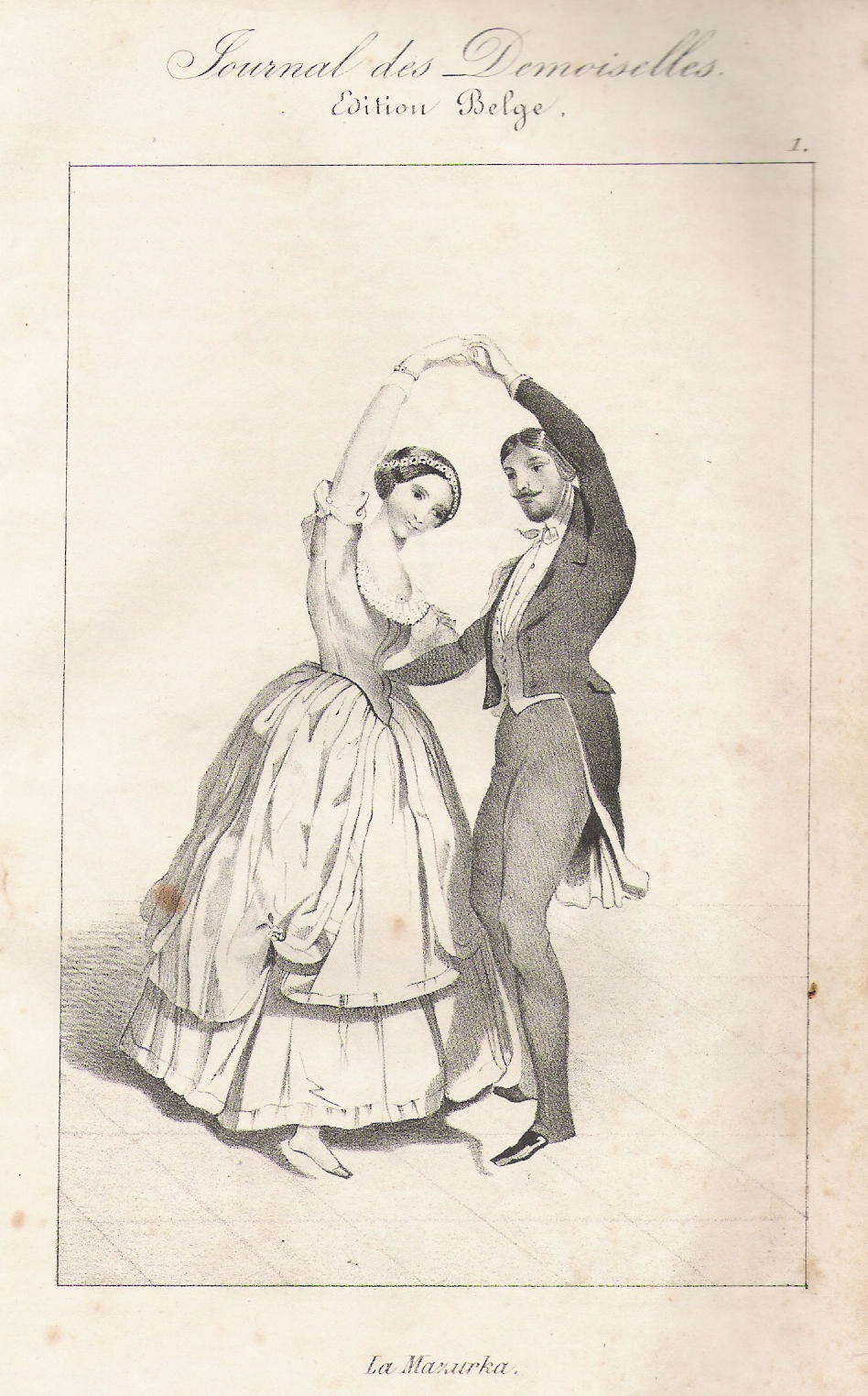 🇵🇱 Poland and 5 moreMazurka
A lively Polish folk dance in triple time, known for its shifting accentsFolk dance · Couple · Group
🇵🇱 Poland and 5 moreMazurka
A lively Polish folk dance in triple time, known for its shifting accentsFolk dance · Couple · Group
 🇪🇸 Spain and 4 moreFandango
A lively Spanish partner dance in triple meter, accompanied by guitars and castanets.Folk dance · Couple · Group
🇪🇸 Spain and 4 moreFandango
A lively Spanish partner dance in triple meter, accompanied by guitars and castanets.Folk dance · Couple · Group
 🇵🇭 PhilippinesTinikling
A Philippine dance where dancers step between moving bamboo polesFolk dance · Group
🇵🇭 PhilippinesTinikling
A Philippine dance where dancers step between moving bamboo polesFolk dance · Group
 🇵🇭 PhilippinesSingkil
A courtship dance weaving through clapping bamboo poles, accompanied by gongs.Folk dance · Couple · Group
🇵🇭 PhilippinesSingkil
A courtship dance weaving through clapping bamboo poles, accompanied by gongs.Folk dance · Couple · Group
 🇨🇺 Cuba and 5 moreContradanzacontradanza criolla
A Cuban partner dance with African rhythms that influenced jazz and tangoFolk dance · Couple
🇨🇺 Cuba and 5 moreContradanzacontradanza criolla
A Cuban partner dance with African rhythms that influenced jazz and tangoFolk dance · Couple
 🇵🇭 Philippines and 1 morePangalay
A traditional fingernail dance of the Tausūg and Bajau peoples in the Sulu Archipelago and Sabah.Folk dance
🇵🇭 Philippines and 1 morePangalay
A traditional fingernail dance of the Tausūg and Bajau peoples in the Sulu Archipelago and Sabah.Folk dance
 🇪🇸 Spain and 1 moreJota
A lively Spanish folk dance with castanets and regional costumesFolk dance · Group
🇫🇮 Finland and 5 moreLetkajenkka
A Finnish novelty line dance featuring a distinctive hopping rhythm and left-foot lead.Folk dance · Line or chain
🇪🇸 Spain and 1 moreJota
A lively Spanish folk dance with castanets and regional costumesFolk dance · Group
🇫🇮 Finland and 5 moreLetkajenkka
A Finnish novelty line dance featuring a distinctive hopping rhythm and left-foot lead.Folk dance · Line or chain
Photo credits on this page
The small pictures above come from Wikimedia Commons under free licences. Some are cropped to fit.
- Mazurka: Huster, Public domain, source
- Polka: Chaffee A-ii, Public domain, source
- Contradanza: Étienne Carjat, Public domain, source
- Dinagyang Festival: Bernardo 'Berniemack' Arellano III, CC BY 3.0, source
- Tinikling: U.S. Air Force/Senior Airman Nestor Cruz, Public domain, source
- Fandango: Pierre Chasselat, Public domain, source
- Singkil: Ahmed Younis Sif, CC BY-SA 4.0, source
- Pangalay: BrokenSphere, CC BY-SA 3.0, source
- Jota: Fernando, CC BY-SA 2.0, source
Social and popular dance 5 dances
Social dancing evolved alongside shifting political eras and commercial entertainment. Spanish colonizers introduced partner dances that locals adapted into festive group activities. Later, American vaudeville shows brought tap, Charleston, and Latin ballroom styles to urban theaters and cabarets. These imported rhythms merged with existing Filipino music, creating upbeat routines for weddings, town fiestas, and public halls. Community members still gather to dance these hybrid forms during celebrations.