
Baris
In its own language: ᬩᬭᬶᬲ᭄, igélan baris
A Balinese dance that honors the spirit and stance of a warrior
Baris is a group of traditional dances from Bali, Indonesia, that express the emotions and presence of a warrior before battle. Danced solo or in groups, Baris is performed at religious ceremonies and features dramatic movements, distinctive costumes, and accompaniment by gamelan music.
Watch it dancedShare on WhatsApp
- Baris is performed solo or in groups, often with weapons as props.
- The dance is accompanied by gamelan and gong music.
- Group forms are used in religious ceremonies and rituals.
- Costumes include distinctive headdresses and fabric panels.
- Some versions feature mock combat with wooden weapons.
What is Baris?
Baris is a family of dances from Bali that portray the courage and inner state of a warrior preparing for battle. The dance can be performed by a single male dancer or by groups, often imitating the stance and movements of soldiers. Each version uses strong, expressive gestures and is accompanied by the sounds of gamelan and gong. The performance is both a display of martial spirit and a ritual act, with dancers sometimes carrying weapons such as spears or kris. Costumes and headdresses are striking, especially in solo versions.
Where does Baris come from?
The name Baris comes from a word meaning 'line' or 'file', referring to the formations of soldiers who once served Balinese rulers. Over time, these military displays became stylized into dance, with both solo and group forms emerging. Some group types date back at least to the 19th century, as seen in historical drawings. Today, Baris remains closely linked to religious ceremonies and temple rituals across Bali.
How is Baris danced?
Baris dancers use bold, upright postures and sharp, deliberate steps to convey readiness and alertness. Solo dancers often move with dramatic pauses and sudden shifts, while group dances may include synchronized steps and mock combat. Dancers wield props such as spears, bows, or shields, and sometimes simulate fighting by clashing wooden weapons. The choreography is designed to evoke the discipline and strength of a warrior.
Baris, drawn
The music of Baris
The dance is set to the rhythms of gamelan, a Balinese ensemble of metallophones, drums, and gongs. The music provides a driving, sometimes tense atmosphere that matches the martial theme. Each type of Baris may use a different musical arrangement, but all rely on the layered, percussive sound of traditional Balinese instruments.
Costume and what is carried
In the solo Baris, the dancer wears white leggings, ankle covers, and a belt that holds a kris near the shoulder. Fabric panels hang from the torso, with a large panel on the chest, and a circular collar around the neck. The headdress is triangular, decorated with shells that move as the dancer does. Group dancers may have simpler attire, sometimes just regular headgear and cloth, especially in ritual settings.

When and where Baris is danced
Baris is performed at temple ceremonies, festivals, and during specific rituals such as Pemayun. The group forms are considered sacred and are integral to religious observances. The solo dance is often the first form learned by young male dancers. Some versions are performed in the morning after temple activities, while others are tied to particular rituals or regions.
Styles of Baris
There are more than thirty known group forms of Baris, each named for the weapon carried or the role portrayed. Some types use spears, others bows or shields, and a few have unique costumes or props. Certain versions are widespread across Bali, while others are limited to specific areas or have become rare in recent decades.
What Baris means
Baris is a vital part of Balinese Hindu tradition, symbolizing bravery and devotion. The dance is recognized as sacred, and some forms are performed only during religious events. It is also a way for communities to connect with their history and honor the role of warriors in Balinese society. Baris is included in the list of Balinese dances recognized for their cultural significance.
Questions people ask about Baris
Where does Baris come from?
Baris originates from Bali, Indonesia, and is rooted in the island's traditions of honoring warriors and religious ceremonies.
When is Baris danced?
Baris is performed during temple ceremonies, festivals, and specific rituals such as Pemayun, often as a sacred act.
Who performs Baris?
Baris is usually danced by men, either solo or in groups, with the solo dance often being the first learned by young male dancers.
What music is used for Baris?
The dance is accompanied by Balinese gamelan and gong, creating a percussive and dramatic soundscape.
What do Baris dancers wear?
Solo dancers wear white leggings, ankle covers, a belt with a kris, fabric panels, a circular collar, and a triangular headdress. Group dancers may wear simpler clothing, especially in ritual contexts.
Good reading and sources
- Baris dance on WikipediaEncyclopedia
- More photos and video on Wikimedia CommonsPhotos and video
- Wikidata recordOpen data
- Videos of Baris on YouTubeSearch results, not chosen by Ghungroo
The facts on this page come from the Wikipedia article "Baris dance", written by its contributors and used under the CC BY-SA 4.0 licence, and from its Wikidata record (CC0). Ghungroo rewrote the text in its own words, with AI assistance, and compares every page with the article to make sure no passage is copied. It may be reused under the same CC BY-SA 4.0 licence with a link back.
It may contain mistakes, and it describes the dance in outline: it is not a lesson. Traditions differ from one teacher, village or family to the next. If something is wrong, tell us. Last refreshed 2026-10-03.
More from Indonesia
All the dances of Indonesia 🇨🇳 China and 5 moreLion dance舞獅
A costumed dance that mimics a lion to bring luck and drive away evilFolk dance · Group · Procession
🇨🇳 China and 5 moreLion dance舞獅
A costumed dance that mimics a lion to bring luck and drive away evilFolk dance · Group · Procession
 🇮🇩 IndonesiaLegongᬮᬾᬕᭀᬂ
A Balinese dance with intricate finger, foot and facial movementsFolk dance · Group
🇮🇩 IndonesiaLegongᬮᬾᬕᭀᬂ
A Balinese dance with intricate finger, foot and facial movementsFolk dance · Group
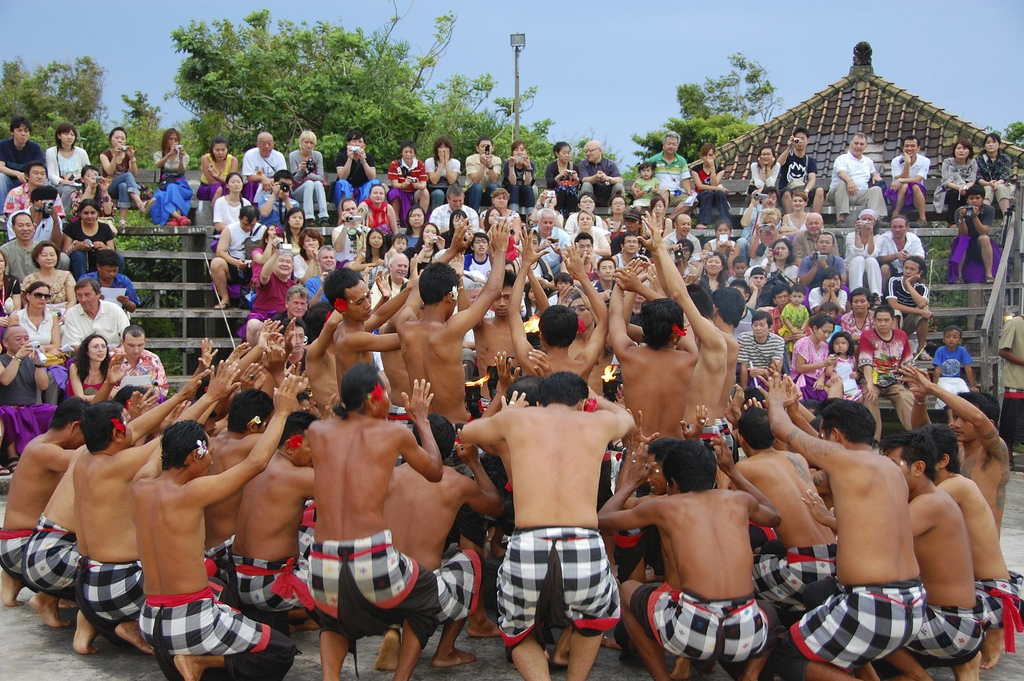 🇮🇩 IndonesiaKecakᬓᬾᬘᬓ᭄
A massed chant and dance-drama from Bali, performed in a circle at duskFolk dance · Circle · Group
🇮🇩 IndonesiaKecakᬓᬾᬘᬓ᭄
A massed chant and dance-drama from Bali, performed in a circle at duskFolk dance · Circle · Group
 🇮🇩 IndonesiaPendetᬧᭂᬦ᭄ᬤᭂᬢ᭄
A Balinese dance where girls offer flowers to greet guests and spiritsFolk dance · Group
🇮🇩 IndonesiaPendetᬧᭂᬦ᭄ᬤᭂᬢ᭄
A Balinese dance where girls offer flowers to greet guests and spiritsFolk dance · Group
Its cousins elsewhere
All folk dances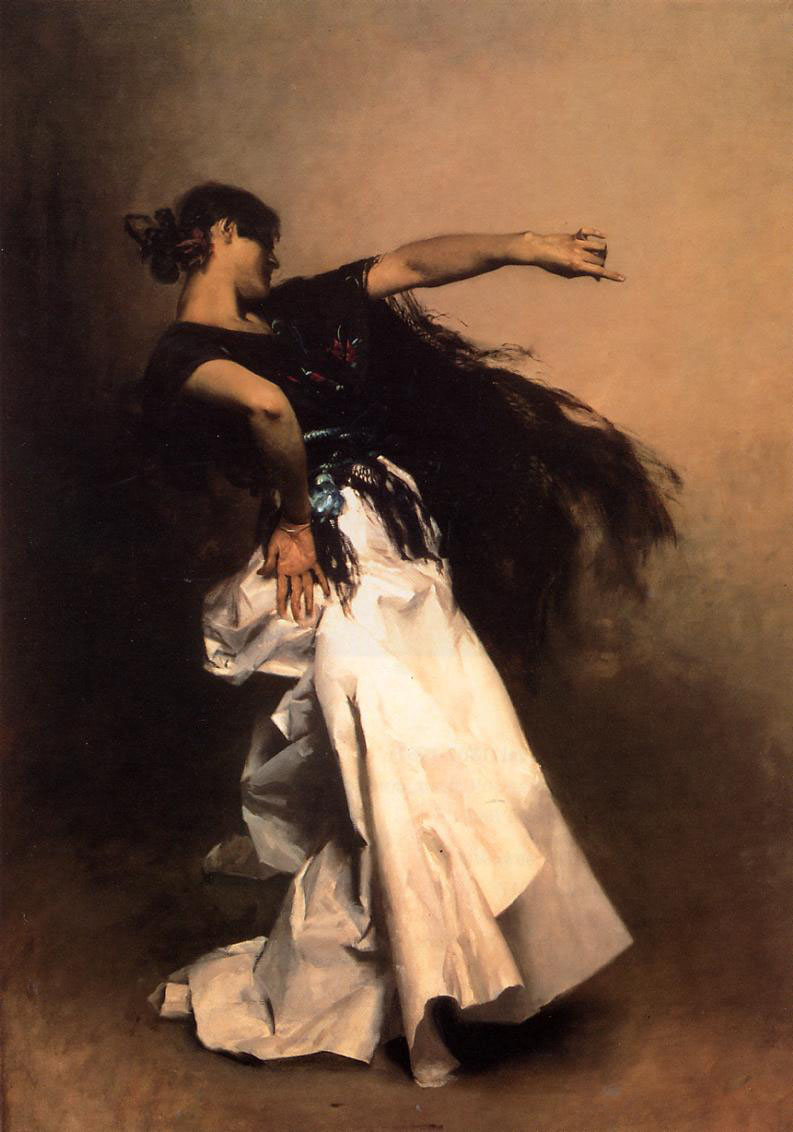 🇪🇸 SpainFlamenco
A dramatic dance and music tradition rooted in Andalusia's gitano and folk culturesFolk dance · Solo · Group
🇪🇸 SpainFlamenco
A dramatic dance and music tradition rooted in Andalusia's gitano and folk culturesFolk dance · Solo · Group
 🇦🇷 Argentina and 1 moreTango
A partner dance from the Río de la Plata, danced in close or open embraceSocial dance · Couple
🇦🇷 Argentina and 1 moreTango
A partner dance from the Río de la Plata, danced in close or open embraceSocial dance · Couple
 🇦🇹 Austria and 4 moreWaltz
A turning couple dance in triple time, first popular in 18th-century EuropeBallroom or Latin dance · Couple
🇦🇹 Austria and 4 moreWaltz
A turning couple dance in triple time, first popular in 18th-century EuropeBallroom or Latin dance · Couple
 🇧🇷 BrazilCapoeira
A Brazilian martial art that blends dance, acrobatics, and music in a circle gameWar or martial dance · Circle · Solo
🇧🇷 BrazilCapoeira
A Brazilian martial art that blends dance, acrobatics, and music in a circle gameWar or martial dance · Circle · Solo