Hasapiko
In its own language: χασάπικο
A two-speed Greek folk dance from Constantinople, first danced by its butchers
A Greek folk dance born in medieval Constantinople, where the butchers' guild turned the drill of fighting with swords into a danced display. It lives in a slow 'heavy' form in 4/4 and a quick form in 2/4, and sirtaki was later built on its steps.
Watch it dancedShare on WhatsApp
- Born in Constantinople in the Middle Ages among the city's Greek butchers
- Slow hasapikos varys runs in 4/4; quick hasaposerviko runs in 2/4
- Name comes from Ottoman Turkish kassâb, meaning butcher
- Byzantine-era title: makellarikos horos, also the butcher's dance
- Sirtaki, a newer choreographed dance, is built on hasapiko
What is Hasapiko?
Hasapiko is a Greek folk dance whose very name means the butcher's dance, a tip of the hat to the Constantinople trade guild that first stepped it out. It works at two speeds. Taken slowly it is the hasapikos varys, the heavy hasapiko, moving in 4/4 time; sped up it becomes the grigoro hasapiko, or hasaposerviko, in 2/4. Some dancers keep the old Byzantine title makellarikos horos, which likewise means the butcher's dance, just for the quick kind. Many people outside Greece know its steps at one remove: sirtaki, the routine most often shown as Greek dancing, is a newer choreographed work assembled from hasapiko material.
Where does Hasapiko come from?
The dance took shape in Constantinople during the Middle Ages. Its first dancers belonged to the city's guild of Greek butchers, who borrowed it from the army of Byzantium and turned the drill of fighting with swords into a danced display. Under the Byzantines it answered to the name makellarikos horos, which likewise means the butcher's dance. The very word hasapiko points the same way: it joins the Ottoman Turkish kassâb, meaning butcher, to a Greek ending.
Hasapiko, drawn
The music of Hasapiko
The dance runs to two distinct clocks. The slow kind, the hasapikos varys, whose name means heavy, moves in 4/4 time, four even beats to the bar. The quick kind answers in 2/4 and carries two names: grigoro hasapiko, literally the quick hasapiko, and hasaposerviko. Some dancers use the old title makellarikos horos for this brisk kind alone, keeping it off the slow one.
Styles of Hasapiko
Two tempos divide the repertoire. The hasapikos varys, literally the heavy hasapiko, takes 4/4 time and a measured pace. Its quick counterpart runs in 2/4 and answers to two names, grigoro hasapiko and hasaposerviko, though usage varies: some Greeks save makellarikos horos, the Byzantine-era title, for the fast kind only. Beyond these, sirtaki stands as a modern offshoot, a newly choreographed dance rather than a handed-down one, assembled from hasapiko material and now a staple of Greek dancing.
What Hasapiko means
Few dances carry their working-class badge so plainly: butcher stands in the very name, in Greek and in the Ottoman Turkish word behind it. The form outlived the guild world and the empire that named it, keeping a Byzantine nickname alive in modern Greek speech. Its steps also travelled into sirtaki, today one of Greece's signature dances, so that hasapiko survives both in its own right and inside the newer routine built upon it.
Questions people ask about Hasapiko
Where does the hasapiko come from?
It comes from Constantinople and took shape in the Middle Ages. The butchers there, banded together as a guild, danced it first, having taken it up from the Byzantine army. It began life as a stepped-out imitation of men fighting with swords.
Why is it called the butcher's dance?
The name points to its first dancers, the butchers' guild of Constantinople. Hasapiko is built on kassâb, the Ottoman Turkish word for butcher, with a Greek ending fixed to it. An older Byzantine title, makellarikos horos, says the same thing.
Is the hasapiko fast or slow?
Both. The slow kind, hasapikos varys, whose name means heavy, goes in 4/4 time. The quick kind, named grigoro hasapiko or hasaposerviko, goes in 2/4. Some Greeks keep the old Byzantine name makellarikos horos for the fast kind only.
What is the link with sirtaki?
Sirtaki is a modern invention, put together by a choreographer rather than handed down, and its material is drawn from the hasapiko. So the hasapiko survives both as a folk dance in its own right and as the basis of sirtaki, now a staple of Greek dancing.
Good reading and sources
- Hasapiko on WikipediaEncyclopedia
- Wikidata recordOpen data
- Videos of Hasapiko on YouTubeSearch results, not chosen by Ghungroo
The facts on this page come from the Wikipedia article "Hasapiko", written by its contributors and used under the CC BY-SA 4.0 licence, and from its Wikidata record (CC0). Ghungroo rewrote the text in its own words, with AI assistance, and compares every page with the article to make sure no passage is copied. It may be reused under the same CC BY-SA 4.0 licence with a link back.
It may contain mistakes, and it describes the dance in outline: it is not a lesson. Traditions differ from one teacher, village or family to the next. If something is wrong, tell us. Last refreshed 2026-10-03.
More from Turkey
All the dances of Turkey 🇪🇬 Egypt and 3 moreBelly danceرقص شرقي
A Middle Eastern dance focused on hip and torso articulation.Folk dance · Solo
🇪🇬 Egypt and 3 moreBelly danceرقص شرقي
A Middle Eastern dance focused on hip and torso articulation.Folk dance · Solo
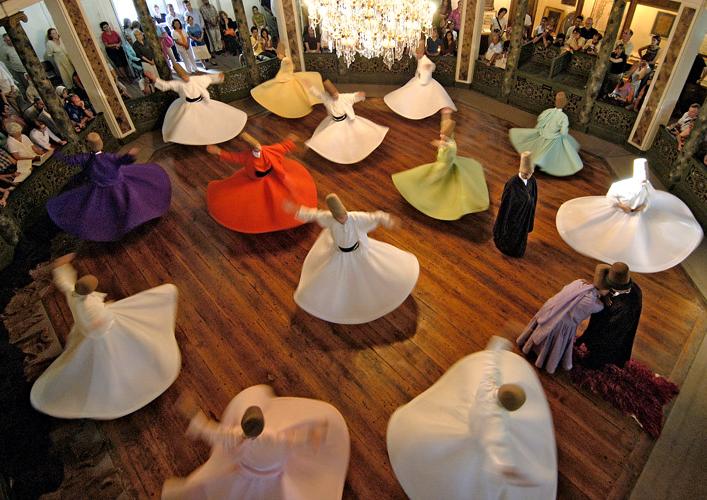 🇹🇷 Turkey and 3 moreSufi whirling
A meditative spinning dance practiced by Sufi dervishes during worship ceremoniesRitual dance · Solo · Group
🇹🇷 Turkey and 3 moreSufi whirling
A meditative spinning dance practiced by Sufi dervishes during worship ceremoniesRitual dance · Solo · Group
 🇹🇷 Turkey and 4 moreHalay
A group dance in lines or circles, led by music or singing at weddings and celebrationsFolk dance · Circle · Line or chain
🇹🇷 Turkey and 4 moreHalay
A group dance in lines or circles, led by music or singing at weddings and celebrationsFolk dance · Circle · Line or chain
 🇰🇿 Kazakhstan and 3 moreKara JorgaQara jorğa
A Kazakh folk dance mimicking the ambling gait of a horse through rhythmic shoulder movements.Folk dance · Group · Solo
🇰🇿 Kazakhstan and 3 moreKara JorgaQara jorğa
A Kazakh folk dance mimicking the ambling gait of a horse through rhythmic shoulder movements.Folk dance · Group · Solo
Its cousins elsewhere
All folk dances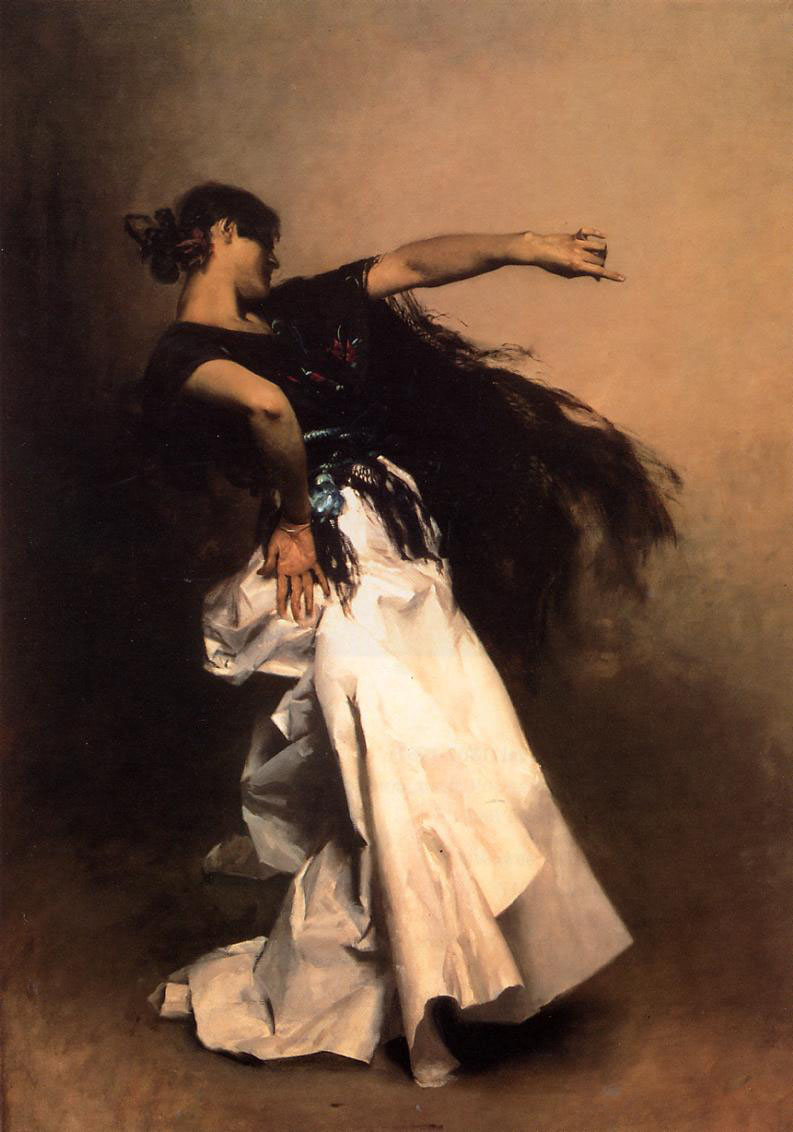 🇪🇸 SpainFlamenco
A dramatic dance and music tradition rooted in Andalusia's gitano and folk culturesFolk dance · Solo · Group
🇪🇸 SpainFlamenco
A dramatic dance and music tradition rooted in Andalusia's gitano and folk culturesFolk dance · Solo · Group
 🇦🇷 Argentina and 1 moreTango
A partner dance from the Río de la Plata, danced in close or open embraceSocial dance · Couple
🇦🇷 Argentina and 1 moreTango
A partner dance from the Río de la Plata, danced in close or open embraceSocial dance · Couple
 🇦🇹 Austria and 4 moreWaltz
A turning couple dance in triple time, first popular in 18th-century EuropeBallroom or Latin dance · Couple
🇦🇹 Austria and 4 moreWaltz
A turning couple dance in triple time, first popular in 18th-century EuropeBallroom or Latin dance · Couple
 🇧🇷 BrazilCapoeira
A Brazilian martial art that blends dance, acrobatics, and music in a circle gameWar or martial dance · Circle · Solo
🇧🇷 BrazilCapoeira
A Brazilian martial art that blends dance, acrobatics, and music in a circle gameWar or martial dance · Circle · Solo