
Concheros
A ceremonial group dance blending indigenous and Catholic traditions in Mexico
Concheros is a ceremonial dance and ritual from Mexico, rooted in Chichimeca traditions and adapted after the Spanish conquest. Danced in groups with feathered regalia, drums, and stringed instruments, it combines indigenous and Catholic elements. Today, it is performed for spiritual, cultural, and sometimes political reasons, both in Mexico and in Mexican American communities.
Watch it dancedShare on WhatsApp
- Danced in circles with feathered regalia and drums
- Blends indigenous and Catholic elements
- Rooted in Chichimeca, not Aztec, traditions
- Performed at midnight to honor ancestors
- Uses armadillo-shell lutes called conchas
What is Concheros?
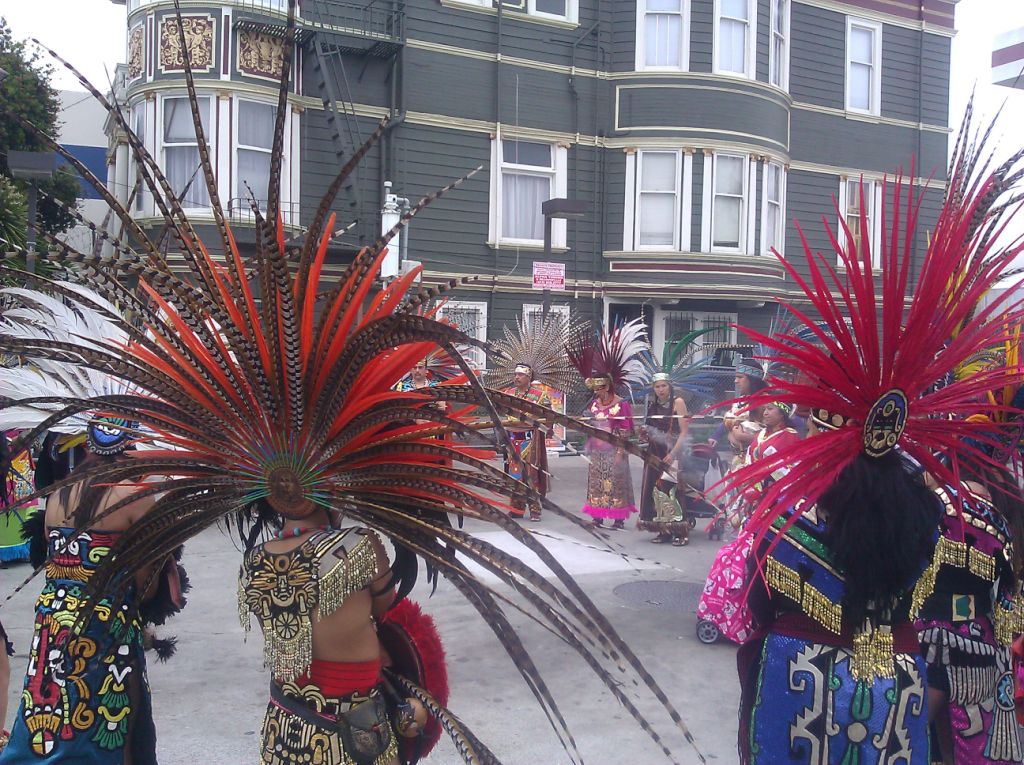
Concheros is a ceremonial group dance from Mexico, performed in circles or processions. Dancers wear feathered regalia and use indigenous drums, rattles, and stringed instruments. The dance blends pre-Hispanic and Catholic traditions, with rituals to honor ancestors and saints. Groups are organized with leaders and officers, and the dance is both a spiritual act and a cultural expression.
Where does Concheros come from?
The dance traces its roots to the Chichimeca peoples of northern Mexico and is based on the pre-Hispanic mitote dance. After the Spanish conquest, it was adapted to include Catholic elements as a way to preserve indigenous rites under colonial rule. The Bajío region, Querétaro, and Tlaxcala are all cited as possible birthplaces. Over centuries, the dance was passed down through family lineages and confraternities, surviving suppression and evolving through migration and social change.
How is Concheros danced?
Dancers form circles, often with an inner group of elders and an outer group of younger participants. The captain, who may be male or female, usually stands at the center. Movements include group and individual steps, with the outer circle performing more energetic leaps. Ritual cleansing and invocation of ancestors precede the dance, and formations can shift between lines and circles, especially during processions to or from churches.
Concheros, drawn
The music of Concheros
Music is central, using two main pre-Hispanic drums: the huehuetl and teponaztli. Conch shell trumpets and conchas, a lute made from an armadillo shell, are also played. Rattles are worn on the hands and legs, adding to the sound. Songs and prayers are mostly passed down orally, and music accompanies both the ritual and the dance itself.
Costume and what is carried
Dancers wear elaborate feathered regalia, sometimes inspired by depictions in codices. Traditional groups may use tunics, while some modern versions adopt Aztec-style dress. Standards, candles, flowers, colored paper, and censers are part of the ritual setting. Rattles, especially ayoyotes, are worn on the legs and hands.


When and where Concheros is danced
Concheros is performed at religious festivals, church events, and sometimes for cultural celebrations or performances. Traditionally, groups are lineage-based and maintain ritual obligations, including pilgrimages. The dance is often done at midnight to honor ancestors. In the United States, it is also performed at community events among Mexican Americans.
Styles of Concheros
There are several names and styles, including Azteca and Mexica, reflecting efforts to emphasize indigenous or political aspects. Some groups focus on Catholic symbolism, while others seek to remove European influences. Urban groups may be more open to new members and public performance, while traditional groups maintain strict lineage and ritual.
What Concheros means
Concheros holds deep spiritual meaning for participants, blending indigenous and Catholic beliefs. It has also become a symbol of cultural identity and resistance, especially during times of political change. The dance has faced debates over authenticity and adaptation, and is recognized as both a living ritual and a folk tradition.
Questions people ask about Concheros
Where does the Concheros dance come from?
Concheros originated in Mexico, with roots in the Chichimeca cultures of the north. It developed after the Spanish conquest, blending indigenous mitote dance with Catholic elements.
When is the Concheros dance performed?
It is performed at religious festivals, church events, and sometimes at midnight to honor ancestors. In the United States, it is also danced at community gatherings among Mexican Americans.
Who can dance the Concheros?
Both men and women participate, often organized in groups with lineage ties. Some urban groups are open to new members without family history in the dance.
What instruments are used in the Concheros dance?
The main instruments are the huehuetl and teponaztli drums, conch shell trumpets, conchas (lutes made from armadillo shells), and rattles worn on the hands and legs.
What is the meaning of the Concheros dance?
It is a spiritual and cultural ritual that honors ancestors and blends indigenous and Catholic traditions. For many, it is a way to connect with heritage and community.
Good reading and sources
- Concheros on WikipediaEncyclopedia
- More photos and video on Wikimedia CommonsPhotos and video
- Wikidata recordOpen data
- Videos of Concheros on YouTubeSearch results, not chosen by Ghungroo
The facts on this page come from the Wikipedia article "Concheros", written by its contributors and used under the CC BY-SA 4.0 licence, and from its Wikidata record (CC0). Ghungroo rewrote the text in its own words, with AI assistance, and compares every page with the article to make sure no passage is copied. It may be reused under the same CC BY-SA 4.0 licence with a link back.
It may contain mistakes, and it describes the dance in outline: it is not a lesson. Traditions differ from one teacher, village or family to the next. If something is wrong, tell us. Last refreshed 2026-10-03.
More from Mexico
All the dances of Mexico 🇪🇸 Spain and 5 morePasodoble
A dramatic Spanish partner dance set to march-like music, echoing the bullfightFolk dance · Couple · Group
🇪🇸 Spain and 5 morePasodoble
A dramatic Spanish partner dance set to march-like music, echoing the bullfightFolk dance · Couple · Group
 🇪🇸 Spain and 4 moreFandango
A lively Spanish partner dance in triple meter, accompanied by guitars and castanets.Folk dance · Couple · Group
🇪🇸 Spain and 4 moreFandango
A lively Spanish partner dance in triple meter, accompanied by guitars and castanets.Folk dance · Couple · Group
 🇨🇺 Cuba and 1 moreDanzón
A slow, formal partner dance from Cuba, danced in set patterns with elegant pauses.Social dance · Couple · Group
🇨🇺 Cuba and 1 moreDanzón
A slow, formal partner dance from Cuba, danced in set patterns with elegant pauses.Social dance · Couple · Group
 🇲🇽 MexicoJarabe Tapatío
A courtship dance from Jalisco, now Mexico’s national danceFolk dance · Couple · Group
🇲🇽 MexicoJarabe Tapatío
A courtship dance from Jalisco, now Mexico’s national danceFolk dance · Couple · Group
Its cousins elsewhere
All folk dances 🇰🇪 Kenya and 1 moreAdumu
A vertical leaping dance performed by Maasai warriors in a circle to show strength and agility.Folk dance · Circle
🇰🇪 Kenya and 1 moreAdumu
A vertical leaping dance performed by Maasai warriors in a circle to show strength and agility.Folk dance · Circle
 🇿🇼 ZimbabweMbende Jerusarema
A polyrhythmic group dance of the Zezuru, marked by acrobatic hip and waist movementsFolk dance · Group · Line or chain
🇿🇼 ZimbabweMbende Jerusarema
A polyrhythmic group dance of the Zezuru, marked by acrobatic hip and waist movementsFolk dance · Group · Line or chain
 🇪🇸 SpainFlamenco
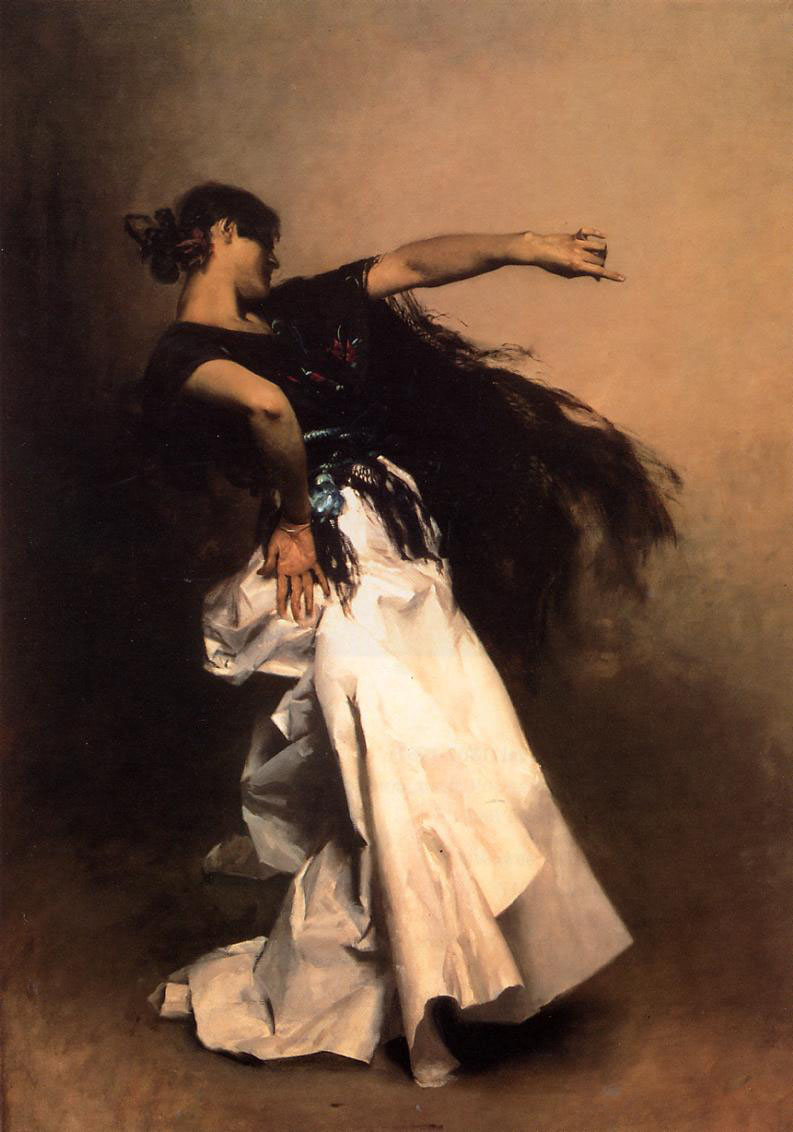
A dramatic dance and music tradition rooted in Andalusia's gitano and folk culturesFolk dance · Solo · Group
🇪🇸 SpainFlamenco
A dramatic dance and music tradition rooted in Andalusia's gitano and folk culturesFolk dance · Solo · Group
 🇦🇷 Argentina and 1 moreTango
A partner dance from the Río de la Plata, danced in close or open embraceSocial dance · Couple
🇦🇷 Argentina and 1 moreTango
A partner dance from the Río de la Plata, danced in close or open embraceSocial dance · Couple