
Dhamail
In its own language: ধামাইল
A circle dance of women in Sylhet, performed at weddings with mirdanga and kartals.
Dhamail is a folk dance from the Sylhet and Mymensingh regions of Bangladesh. Women dance in a circle to the beat of mirdanga and kartals during weddings and festivals. The tempo rises until dancers are eliminated like in musical chairs.
Watch it dancedShare on WhatsApp
- Dhamail is a folk dance from Sylhet and Mymensingh in Bangladesh.
- Women dance in a circle while men play mirdanga and kartals.
- The dance resembles musical chairs with increasing tempo.
- Lyrics focus on the love between Radha and Krishna.
- It is performed at weddings to symbolize the union of souls.
What is Dhamail?
Dhamail is a traditional folk dance found in the Sylhet and Mymensingh areas of Bangladesh. Groups of women move in a ring while men accompany them on drums and cymbals. The performance grows faster until participants drop out, much like a game of musical chairs. The lyrics celebrate the divine romance of Radha and Krishna.
Where does Dhamail come from?
The name appears in writings from the fourteenth century by poets such as Chandidas and Daulat Qazi. Later, composers Radharaman Dutta and Arkum Shah brought the specific dance tradition to the Sylhet area. The art form has survived for many generations through these local masters.
How is Dhamail danced?
Dancers stand in a circle and clap their hands to the rhythm. The speed builds steadily as the music intensifies. Eventually, the pace becomes too quick for some, who must leave the ring. This elimination continues until few remain. The circular motion mirrors the cycle of devotion.
Dhamail, drawn
The music of Dhamail
Men provide the sound using mirdanga drums and kartals hand cymbals. A lead singer starts the verses about Shyam and Radha. The rest of the group joins in a chorus. The beat drives the dancers forward, rising to a high point before pauses allow for rest.
Costume and what is carried
The sources do not describe specific clothing or makeup for this dance.
When and where Dhamail is danced
Families perform this dance at weddings and other happy events. It holds deep meaning for newly married pairs, symbolizing the joining of two souls. The celebration includes breaks for tea and betel nut between intense dancing phases.
Styles of Dhamail
The text does not list different regional styles or modern adaptations.
What Dhamail means
The dance serves as a spiritual expression of bhakti through the story of Radha and Krishna. It reinforces community bonds during important life milestones like marriage. The tradition connects modern performers to medieval Bengali literature.
Questions people ask about Dhamail
Where is Dhamail danced?
Dhamail is performed in the Sylhet and Mymensingh regions of northeastern Bangladesh.
Who performs Dhamail?
Women dance in a circle while men play the accompanying instruments like mirdanga and kartals.
What is the significance of Dhamail?
The dance represents the love of Radha and Krishna and symbolizes the union of souls for newly married couples.
When is Dhamail performed?
It is danced during weddings and other auspicious occasions, often with breaks for tea and snacks.
Good reading and sources
- Dhamail on WikipediaEncyclopedia
- Wikidata recordOpen data
- Videos of Dhamail on YouTubeSearch results, not chosen by Ghungroo
The facts on this page come from the Wikipedia article "Dhamail", written by its contributors and used under the CC BY-SA 4.0 licence, and from its Wikidata record (CC0). Ghungroo rewrote the text in its own words, with AI assistance, and compares every page with the article to make sure no passage is copied. It may be reused under the same CC BY-SA 4.0 licence with a link back.
It may contain mistakes, and it describes the dance in outline: it is not a lesson. Traditions differ from one teacher, village or family to the next. If something is wrong, tell us. Last refreshed 2026-10-03.
More from Bangladesh
All the dances of Bangladesh

Its cousins elsewhere
All folk dances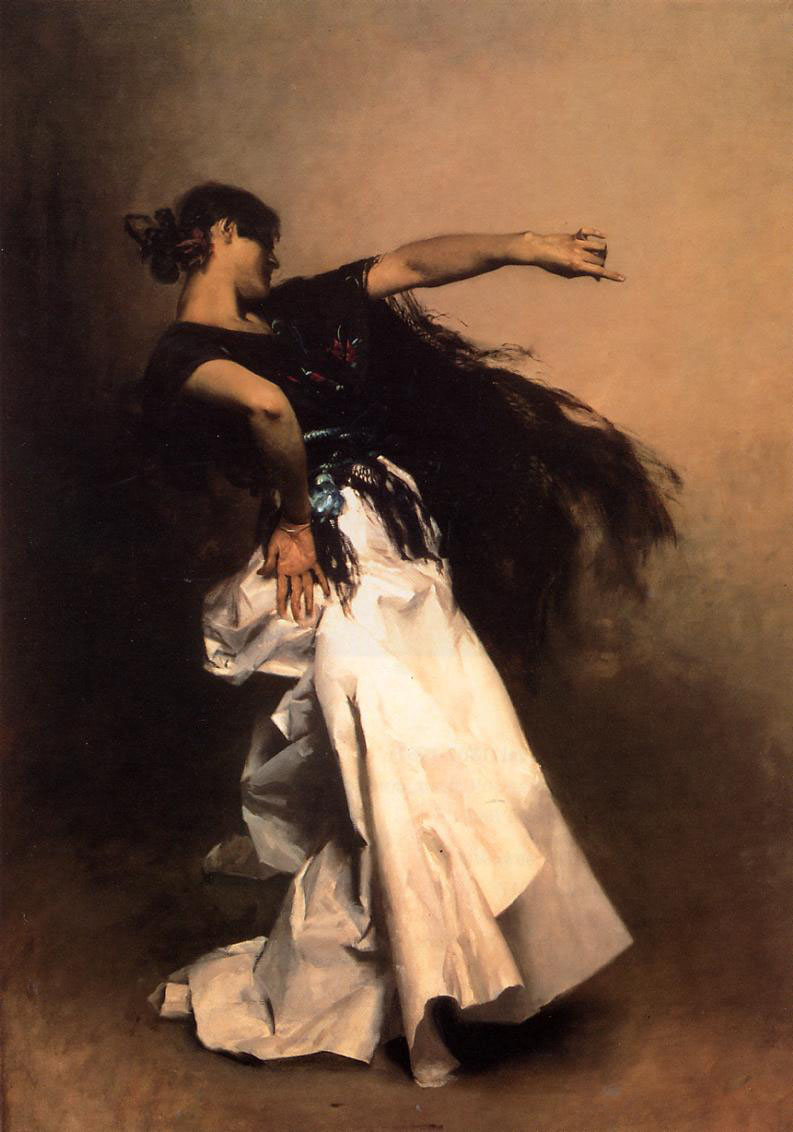 🇪🇸 SpainFlamenco
A dramatic dance and music tradition rooted in Andalusia's gitano and folk culturesFolk dance · Solo · Group
🇪🇸 SpainFlamenco
A dramatic dance and music tradition rooted in Andalusia's gitano and folk culturesFolk dance · Solo · Group
 🇳🇿 New ZealandHaka
A ceremonial group dance from New Zealand featuring vigorous movement and chanted words.Folk dance · Group
🇳🇿 New ZealandHaka
A ceremonial group dance from New Zealand featuring vigorous movement and chanted words.Folk dance · Group
 🇪🇸 Spain and 4 moreFandango
A lively Spanish partner dance in triple meter, accompanied by guitars and castanets.Folk dance · Couple · Group
🇪🇸 Spain and 4 moreFandango
A lively Spanish partner dance in triple meter, accompanied by guitars and castanets.Folk dance · Couple · Group
 🇬🇷 Greece and 5 moreCircle dance
A group dance in a circle or curved line, joined by hand and led around the floorFolk dance · Circle · Line or chain
🇬🇷 Greece and 5 moreCircle dance
A group dance in a circle or curved line, joined by hand and led around the floorFolk dance · Circle · Line or chain