
Peacock dance
A folk dance imitating the peacock, found across South and Southeast Asia
Peacock dance is a folk tradition found in China, India, Indonesia, Cambodia, Sri Lanka, Myanmar, and Bangladesh. Dancers use gestures and costumes to evoke the peacock’s beauty and movements, often performing at festivals, celebrations, and ceremonies. Styles and costumes differ by region, with some using feathered stands or elaborate dress.
Watch it dancedShare on WhatsApp
- Dai people of Yunnan, China, perform it at major festivals
- Mayilattam is danced by girls at Thai Pongal in Tamil Nadu, India
- Indonesian Tari Merak was choreographed in the 1950s
- Some Chinese dancers wear a 20-kilo feathered stand
- Used to welcome guests at big events in Indonesia
What is Peacock dance?
Peacock dance is a folk tradition performed in several Asian countries, where dancers use gestures, costumes, and sometimes props to imitate the peacock’s grace and display. In some places, dancers wear feathered stands or elaborate costumes that mimic the bird’s plumage. The dance is performed by different groups, including girls, women, and mixed ensembles, depending on the region. Movements often highlight the peacock’s strut, tail spreading, and head motions, creating a visual tribute to the bird’s beauty.
Where does Peacock dance come from?
The peacock dance has roots in many Asian cultures, each with its own history. Among the Dai people of Yunnan, China, it is a central part of ethnic identity and is performed at major festivals. In India, the mayilattam is linked to the harvest festival Thai Pongal. Indonesia’s Tari Merak was choreographed in the 1950s but draws on older Sundanese dance forms. The dance’s spread across South and Southeast Asia shows its deep cultural resonance, though each version developed independently.
How is Peacock dance danced?
Movements in the peacock dance are inspired by the peacock’s natural behavior. Dancers may mimic the bird’s steps, tail fanning, and head turns. In some Chinese traditions, performers carry a large feathered stand on their back, moving with its weight to create the effect of spreading feathers. In India and Indonesia, dancers wear costumes with peacock motifs and use arm and hand gestures to suggest the bird’s elegance. The dance may be performed solo or in groups, sometimes with synchronized patterns.
Peacock dance, drawn
The music of Peacock dance
Music for the peacock dance varies by region. In the Dai tradition of China, the dance is accompanied by elephant-foot drums, gongs, and cymbals, producing a rhythmic and festive sound. In Indonesia and India, the music blends local instruments and melodies, often lively and meant to evoke celebration. The rhythm supports the dancers’ gestures and helps set the mood for the occasion, whether it is a festival or a ceremony.
Costume and what is carried
Costumes are central to the peacock dance. In China, some dancers wear a heavy feathered stand made from bamboo and silk, attached to the back and waist, which can weigh up to 20 kilos. In India’s mayilattam, girls dress as peacocks, with colorful outfits and sometimes feathered headpieces. Indonesian Tari Merak features elaborate dresses with peacock patterns and flowing sleeves to suggest feathers. The costumes help transform the dancers into the bird they portray.


When and where Peacock dance is danced
The peacock dance is performed at many types of events. In Yunnan, China, it is part of major Dai festivals like the Water Festival and Gate Closing / Opening Festival. In India, it is danced during the harvest festival Thai Pongal. In Indonesia, it is used to welcome important guests and at wedding ceremonies. The dance is also presented at international events and cultural festivals, showing its role in both community life and public performance.
Styles of Peacock dance
There are many regional versions of the peacock dance. The Dai people’s tradition in China includes both a version with a feathered stand and an unarmed version. India’s mayilattam is specific to Tamil Nadu and Kerala and performed by girls. Indonesia’s Tari Merak is a modern creation from the 1950s but is now widely recognized. Each style adapts the peacock’s image to local dance forms and customs.
What Peacock dance means
The peacock dance holds cultural and sometimes spiritual meaning for the communities that perform it. For the Dai people, it is a symbol of ethnic identity and joy. In India, it is tied to the harvest and rural celebration. In Indonesia, it is a sign of welcome and hospitality. The dance continues to be performed at festivals and ceremonies, and in some places, it is presented on international stages, helping to share local traditions with the wider world.
Questions people ask about Peacock dance
Where does the peacock dance come from?
The peacock dance is found in several Asian countries, including China, India, Indonesia, Cambodia, Sri Lanka, Myanmar, and Bangladesh. Each region has its own style and tradition.
When is the peacock dance performed?
It is performed at festivals, ceremonies, and celebrations. In China, it appears at the Water Festival and Gate Closing / Opening Festival. In India, it is part of the harvest festival Thai Pongal.
Who performs the peacock dance?
The dance can be performed by girls, women, or mixed groups, depending on the region. For example, mayilattam in India is danced by girls, while other versions may include different performers.
What does the peacock dance look like?
Dancers use gestures and costumes to imitate the peacock’s movements, such as spreading feathers and strutting. Some versions use heavy feathered stands, while others rely on costume and arm movements.
What music is used for the peacock dance?
Instruments vary by region. In China, elephant-foot drums, gongs, and cymbals are used. In other places, local instruments and festive rhythms accompany the dance.
Good reading and sources
- Peacock dance on WikipediaEncyclopedia
- Wikidata recordOpen data
- Videos of Peacock dance on YouTubeSearch results, not chosen by Ghungroo
The facts on this page come from the Wikipedia article "Peacock dance", written by its contributors and used under the CC BY-SA 4.0 licence, and from its Wikidata record (CC0). Ghungroo rewrote the text in its own words, with AI assistance, and compares every page with the article to make sure no passage is copied. It may be reused under the same CC BY-SA 4.0 licence with a link back.
It may contain mistakes, and it describes the dance in outline: it is not a lesson. Traditions differ from one teacher, village or family to the next. If something is wrong, tell us. Last refreshed 2026-10-03.
More from China
All the dances of China 🇨🇳 China and 5 moreLion dance舞獅
A costumed dance that mimics a lion to bring luck and drive away evilFolk dance · Group · Procession
🇨🇳 China and 5 moreLion dance舞獅
A costumed dance that mimics a lion to bring luck and drive away evilFolk dance · Group · Procession
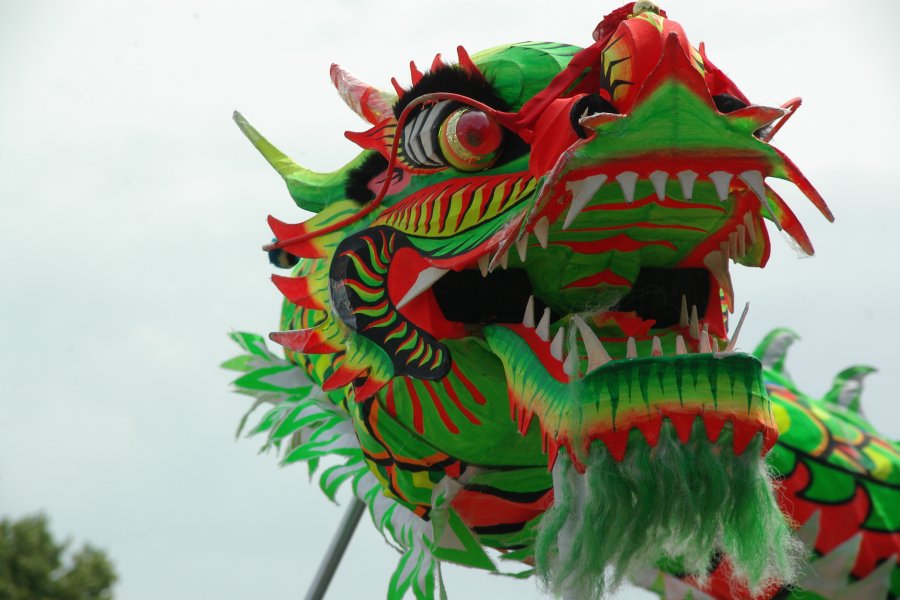 🇨🇳 ChinaDragon dance舞龙 / 舞龍
A team dance with a giant dragon puppet, seen at Chinese New Year and festivalsFolk dance · Group · Procession
🇨🇳 ChinaDragon dance舞龙 / 舞龍
A team dance with a giant dragon puppet, seen at Chinese New Year and festivalsFolk dance · Group · Procession
 🇰🇷 South Korea and 2 morePungmul풍물
A Korean folk performance with drumming, dance, and song, rooted in farming lifeFolk dance · Group · Solo
🇰🇷 South Korea and 2 morePungmul풍물
A Korean folk performance with drumming, dance, and song, rooted in farming lifeFolk dance · Group · Solo
 🇨🇳 ChinaYangge秧歌
A lively folk dance in lines or circles, often with ribbons, drums, and fansFolk dance · Line or chain · Circle
🇨🇳 ChinaYangge秧歌
A lively folk dance in lines or circles, often with ribbons, drums, and fansFolk dance · Line or chain · Circle
Its cousins elsewhere
All folk dances 🇧🇴 Bolivia and 3 moreMorenada
A Bolivian folk dance featuring exaggerated masks and rattling instruments to depict historical figures.Folk dance · Group
🇧🇴 Bolivia and 3 moreMorenada
A Bolivian folk dance featuring exaggerated masks and rattling instruments to depict historical figures.Folk dance · Group
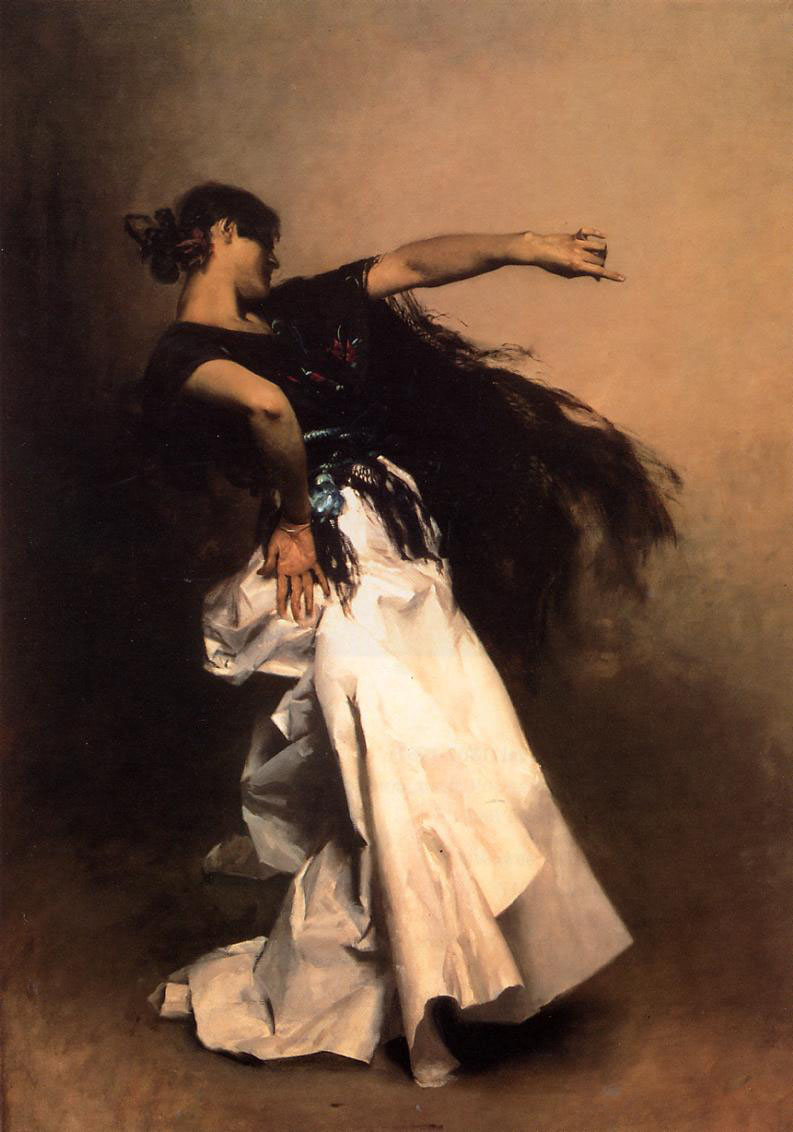 🇪🇸 SpainFlamenco
A dramatic dance and music tradition rooted in Andalusia's gitano and folk culturesFolk dance · Solo · Group
🇪🇸 SpainFlamenco
A dramatic dance and music tradition rooted in Andalusia's gitano and folk culturesFolk dance · Solo · Group
 🇦🇷 Argentina and 1 moreTango
A partner dance from the Río de la Plata, danced in close or open embraceSocial dance · Couple
🇦🇷 Argentina and 1 moreTango
A partner dance from the Río de la Plata, danced in close or open embraceSocial dance · Couple
 🇦🇹 Austria and 4 moreWaltz
A turning couple dance in triple time, first popular in 18th-century EuropeBallroom or Latin dance · Couple
🇦🇹 Austria and 4 moreWaltz
A turning couple dance in triple time, first popular in 18th-century EuropeBallroom or Latin dance · Couple