Java
A fast, close partner dance from French bal-musette halls
Java is a lively partner dance that began in France in the early 1900s. Danced closely with small, quick steps, it became popular in bal-musette venues from 1910 to 1960. Java is a faster, simpler take on the waltz, often danced in smaller spaces and sometimes considered risqué.
Watch it dancedShare on WhatsApp
- Java developed in France in the early 20th century
- It is a fast, close partner dance with small steps
- Popular in bal-musette halls from 1910 to 1960
- Some dance halls banned java for being too intimate
- Featured in French films and songs
What is Java?
Java is a partner dance that took shape in France, mainly in the early 20th century. It is danced by couples who hold each other very close, moving with small, brisk steps. The dance is known for its fast pace and intimate style, with partners often in a tight embrace. Java was especially common in bal-musette dance halls, where space was limited and dancers wanted something livelier and easier than the traditional waltz.
Where does Java come from?
Java emerged in France in the early 1900s, probably as a development from the waltz. Its name's origin is unclear. The dance became popular between 1910 and 1960, especially in the bal-musette venues of working-class Paris. Java was created to meet the demand for a new, simpler waltz that could be danced in smaller halls. Its close hold and sensual style led some more conservative venues to ban it.
How is Java danced?
In java, dancers move in a close embrace, often with the man placing both hands on his partner's lower back or buttocks. The steps are small and quick, allowing the couple to advance smoothly around the floor without needing much space. The dance is characterized by its fast tempo and the intimacy of the partners' hold, making it distinct from the more formal and spacious waltz.
Java, drawn
The music of Java
Java is usually danced to fast-paced music typical of the bal-musette style. While the article does not list specific instruments, bal-musette music often features the accordion. Java melodies have appeared in popular French songs and film soundtracks, such as in Jean Vigo's 'L'Atalante' (1934), where the composer Maurice Jaubert arranged a java for player piano and accordion.
When and where Java is danced
Java was most often danced in French bal-musette dance halls, especially from 1910 to 1960. It was a social dance for couples, popular among working-class communities. Some dance halls, however, banned java due to its close and sometimes provocative style. The dance is also referenced in French popular music and film.
What Java means
Java is closely linked to French working-class culture and the bal-musette scene. Its reputation for intimacy and sensuality led to both popularity and controversy, with some venues banning it. Java has been celebrated in French songs and films, reflecting its place in the country's social and cultural life.
Questions people ask about Java
Where does the java dance come from?
Java originated in France, developing in the early 20th century as a new style of partner dance.
When is java typically danced?
Java was mainly danced in French bal-musette halls between 1910 and 1960 during social gatherings.
What makes java different from the waltz?
Java is faster, simpler, and danced in a much closer embrace with small, quick steps, unlike the more formal waltz.
Who dances java?
Java is danced by couples, with both men and women participating together in a close hold.
Why was java banned in some dance halls?
Some venues banned java because its close, sensual style was seen as too intimate for respectable settings.
Good reading and sources
- Java (dance) on WikipediaEncyclopedia
- More photos and video on Wikimedia CommonsPhotos and video
- Wikidata recordOpen data
- Videos of Java on YouTubeSearch results, not chosen by Ghungroo
The facts on this page come from the Wikipedia article "Java (dance)", written by its contributors and used under the CC BY-SA 4.0 licence, and from its Wikidata record (CC0). Ghungroo rewrote the text in its own words, with AI assistance, and compares every page with the article to make sure no passage is copied. It may be reused under the same CC BY-SA 4.0 licence with a link back.
It may contain mistakes, and it describes the dance in outline: it is not a lesson. Traditions differ from one teacher, village or family to the next. If something is wrong, tell us. Last refreshed 2026-10-03.
More from France
All the dances of France 🇵🇱 Poland and 3 morePolonaisePolonez, chodzony
A stately walking dance in triple time, opening Polish celebrations and ballsFolk dance · Couple · Procession
🇵🇱 Poland and 3 morePolonaisePolonez, chodzony
A stately walking dance in triple time, opening Polish celebrations and ballsFolk dance · Couple · Procession
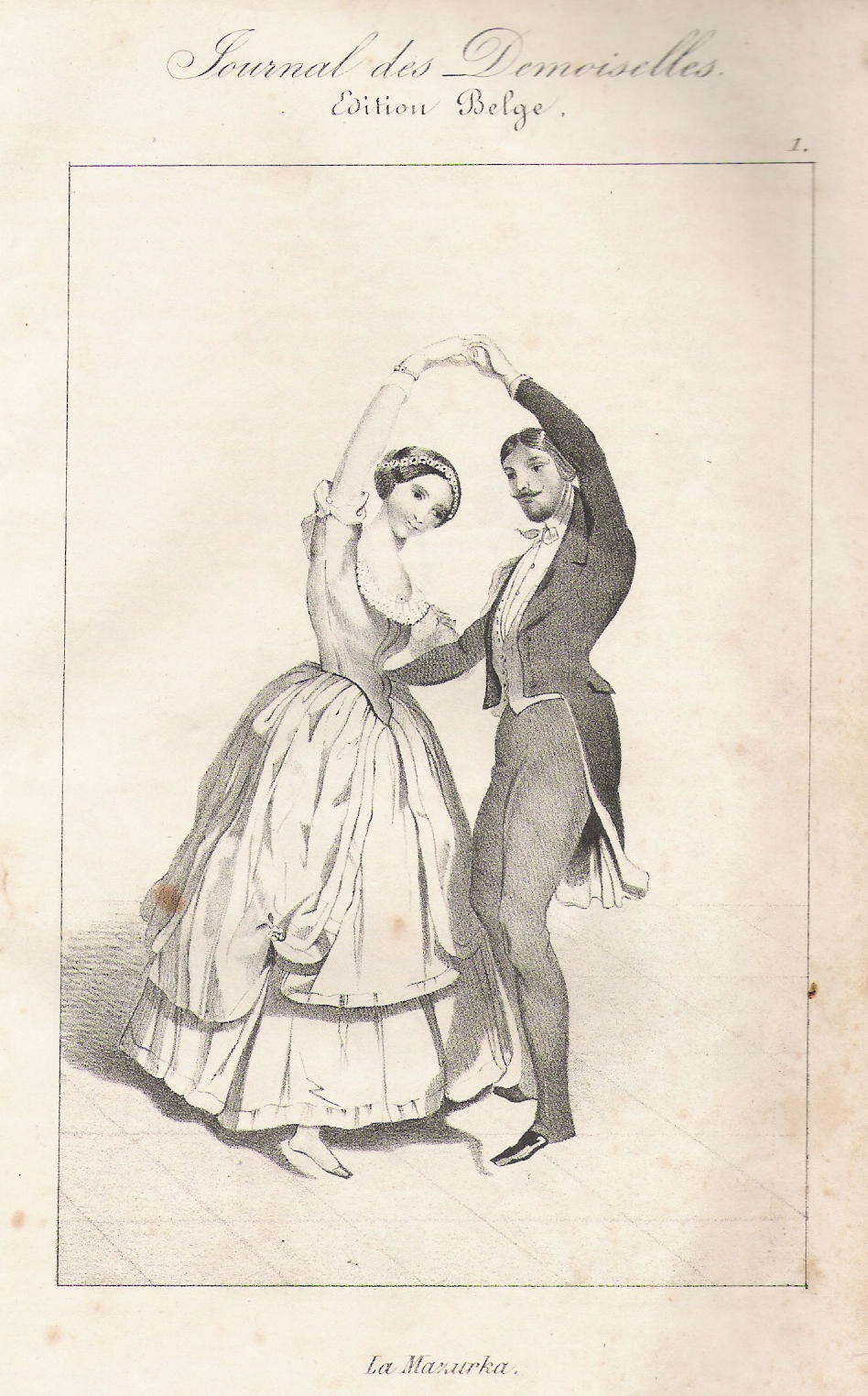 🇵🇱 Poland and 5 moreMazurka
A lively Polish folk dance in triple time, known for its shifting accentsFolk dance · Couple · Group
🇫🇷 FranceMinuetmenuet
A French social dance for two people in triple time, known for its graceful and controlled steps.Social dance · Couple
🇵🇱 Poland and 5 moreMazurka
A lively Polish folk dance in triple time, known for its shifting accentsFolk dance · Couple · Group
🇫🇷 FranceMinuetmenuet
A French social dance for two people in triple time, known for its graceful and controlled steps.Social dance · Couple
 🇫🇷 France and 1 moreCan-can
A high-energy French dance featuring vigorous kicks and skirt manipulation.Social dance · Couple · Group
🇫🇷 France and 1 moreCan-can
A high-energy French dance featuring vigorous kicks and skirt manipulation.Social dance · Couple · Group
Its cousins elsewhere
All social dances 🇦🇷 Argentina and 1 moreTango
A partner dance from the Río de la Plata, danced in close or open embraceSocial dance · Couple
🇦🇷 Argentina and 1 moreTango
A partner dance from the Río de la Plata, danced in close or open embraceSocial dance · Couple
 🇮🇳 India and 1 moreFolk dance
Traditional group dances rooted in local life and passed down through generationsFolk dance · Group · Circle
🇮🇳 India and 1 moreFolk dance
Traditional group dances rooted in local life and passed down through generationsFolk dance · Group · Circle
 🇪🇬 Egypt and 3 moreBelly danceرقص شرقي
A Middle Eastern dance focused on hip and torso articulation.Folk dance · Solo
🇪🇬 Egypt and 3 moreBelly danceرقص شرقي
A Middle Eastern dance focused on hip and torso articulation.Folk dance · Solo
 🇦🇷 Argentina and 1 moreArgentine tango
A partner dance from Buenos Aires suburbs, defined by the bandoneon and an intimate embrace.Social dance · Couple
🇦🇷 Argentina and 1 moreArgentine tango
A partner dance from Buenos Aires suburbs, defined by the bandoneon and an intimate embrace.Social dance · Couple