Koftos
In its own language: Κοφτός
A lively Greek dance with sudden musical pauses where dancers shout and gesture
Koftos is an energetic Greek folk dance from Thessaly, Epirus, and central Greece. Related to a fast syrtos, it is danced in two-measure phrases and features sudden musical pauses where participants shout, clap, or raise their arms.
Watch it dancedShare on WhatsApp
- Named from the Greek word meaning to cut, referring to musical breaks
- Traditional to Thessaly, Epirus, and central Greece
- A fast two-measure dance related to the syrtos tradition
- Dancers shout Hey, clap, or gesture when the melody halts
What is Koftos?
Koftos is a lively Greek dance known for its sudden rhythmic pauses. The name comes from the Greek term meaning to cut, referring directly to the periodic breaks in the melody. It belongs to the broader syrtos tradition but moves at a faster tempo. When the music suddenly stops, dancers break their pattern to shout, clap, or move their arms up and down. It can be danced in a group stepping back and forth or paired up with partners.
Where does Koftos come from?
The dance comes from central and northern regions of mainland Greece. It is especially typical across Thessaly, Epirus, and central Greece. The name Koftos translates as "to cut" in Greek, pointing directly to how the melody is interrupted at regular intervals. Over time, communities in these areas established it as a spirited, quicker relative of the widespread syrtos tradition, creating an engaging game-like dance built around stopping and starting with the music.
How is Koftos danced?
Koftos follows a sta dio, or two-measure, structural pattern. It moves at a quicker pace than a standard syrtos. Dancers can travel forward and backward across the floor or perform the steps facing a partner. The most distinctive feature happens during periodic interruptions in the tune. When the sound cuts off, dancers instantly react by calling out "Hey". At the same time, participants may throw their arms upward, drop them downward, or clap their hands before resuming the flow of the dance.
Koftos, drawn
The music of Koftos
The music for Koftos is lively, brisk, and structured around two-measure units known as sta dio. Its defining musical element is the periodic interruption or sudden cut in the tune. These silent breaks pause the rhythm, prompting the dancers to respond with spoken shouts and handclaps before the melody starts up again.
Styles of Koftos
The dance is closely linked to syrtos, operating as an accelerated adaptation of that standard form. While dancers commonly perform the two-measure pattern while advancing and retreating, another variation allows people to dance directly with partners. These different movement pathways retain the core practice of halting and shouting whenever the musical pauses occur.
Questions people ask about Koftos
Where does Koftos come from?
Koftos originates from mainland Greece. It is especially typical of communities located in the regions of Thessaly, Epirus, and central Greece, where it developed as a lively regional folk style.
What does the name Koftos mean?
In Greek, the word Koftos means to cut. The dance takes its name from the sharp, periodic interruptions that occur throughout the accompanying music and melody.
How is Koftos danced?
Dancers follow a brisk, two-measure pattern either moving forward and back or with partners. When the tune pauses, everyone stops to shout Hey, clap, or move their arms.
How does Koftos relate to syrtos?
Koftos is considered a faster version of syrtos. It follows a two-measure rhythm known as sta dio but incorporates sudden melodic pauses that halt the dancers' movement.
Good reading and sources
- Koftos on WikipediaEncyclopedia
- Wikidata recordOpen data
- Videos of Koftos on YouTubeSearch results, not chosen by EveryGhunghroo
The facts on this page come from the Wikipedia article "Koftos", written by its contributors and used under the CC BY-SA 4.0 licence, and from its Wikidata record (CC0). EveryGhunghroo rewrote the text in its own words, with AI assistance, and compares every page with the article to make sure no passage is copied. It may be reused under the same CC BY-SA 4.0 licence with a link back.
It may contain mistakes, and it describes the dance in outline: it is not a lesson. Traditions differ from one teacher, village or family to the next. If something is wrong, tell us. Last refreshed 2026-10-04.
More from Greece
All the dances of Greece 🇮🇹 Italy and 2 moreTarantella
A fast southern Italian folk dance in six-eight time, accompanied by tambourines and hand clapping.Folk dance · Solo · Couple
🇮🇹 Italy and 2 moreTarantella
A fast southern Italian folk dance in six-eight time, accompanied by tambourines and hand clapping.Folk dance · Solo · Couple
 🇬🇷 Greece and 1 moreSirtakiσυρτάκι
A line dance that starts slow and speeds up, created for the film Zorba the Greek.Folk dance · Line or chain · Circle
🇬🇷 Greece and 1 moreSirtakiσυρτάκι
A line dance that starts slow and speeds up, created for the film Zorba the Greek.Folk dance · Line or chain · Circle
 🇬🇷 Greece and 5 moreCircle dance
A group dance in a circle or curved line, joined by hand and led around the floorFolk dance · Circle · Line or chain
🇹🇷 Turkey and 1 moreHasapikoχασάπικο
A two-speed Greek folk dance from Constantinople, first danced by its butchersFolk dance
🇬🇷 Greece and 5 moreCircle dance
A group dance in a circle or curved line, joined by hand and led around the floorFolk dance · Circle · Line or chain
🇹🇷 Turkey and 1 moreHasapikoχασάπικο
A two-speed Greek folk dance from Constantinople, first danced by its butchersFolk dance
Its cousins elsewhere
All folk dances 🇳🇿 New ZealandHaka
A ceremonial group dance from New Zealand featuring vigorous movement and chanted words.Folk dance · Group
🇳🇿 New ZealandHaka
A ceremonial group dance from New Zealand featuring vigorous movement and chanted words.Folk dance · Group
 🇮🇳 India and 2 moreGiddhaਗਿੱਧਾ
A Punjabi women's folk dance in a singing, clapping circleFolk dance · Circle
🇮🇳 India and 2 moreGiddhaਗਿੱਧਾ
A Punjabi women's folk dance in a singing, clapping circleFolk dance · Circle
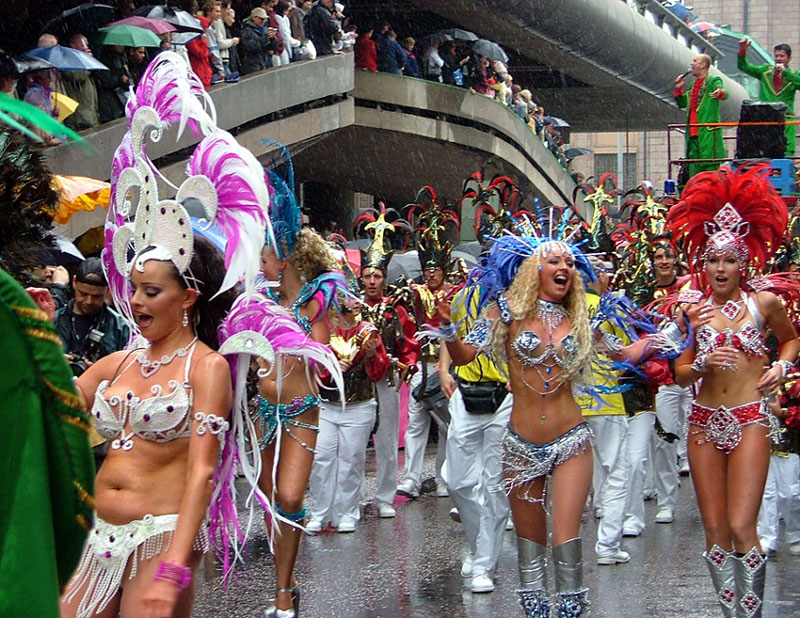 🇧🇷 BrazilSamba
A lively Brazilian dance with fast footwork and syncopated rhythmsFolk dance · Solo · Couple
🇧🇷 BrazilSamba
A lively Brazilian dance with fast footwork and syncopated rhythmsFolk dance · Solo · Couple
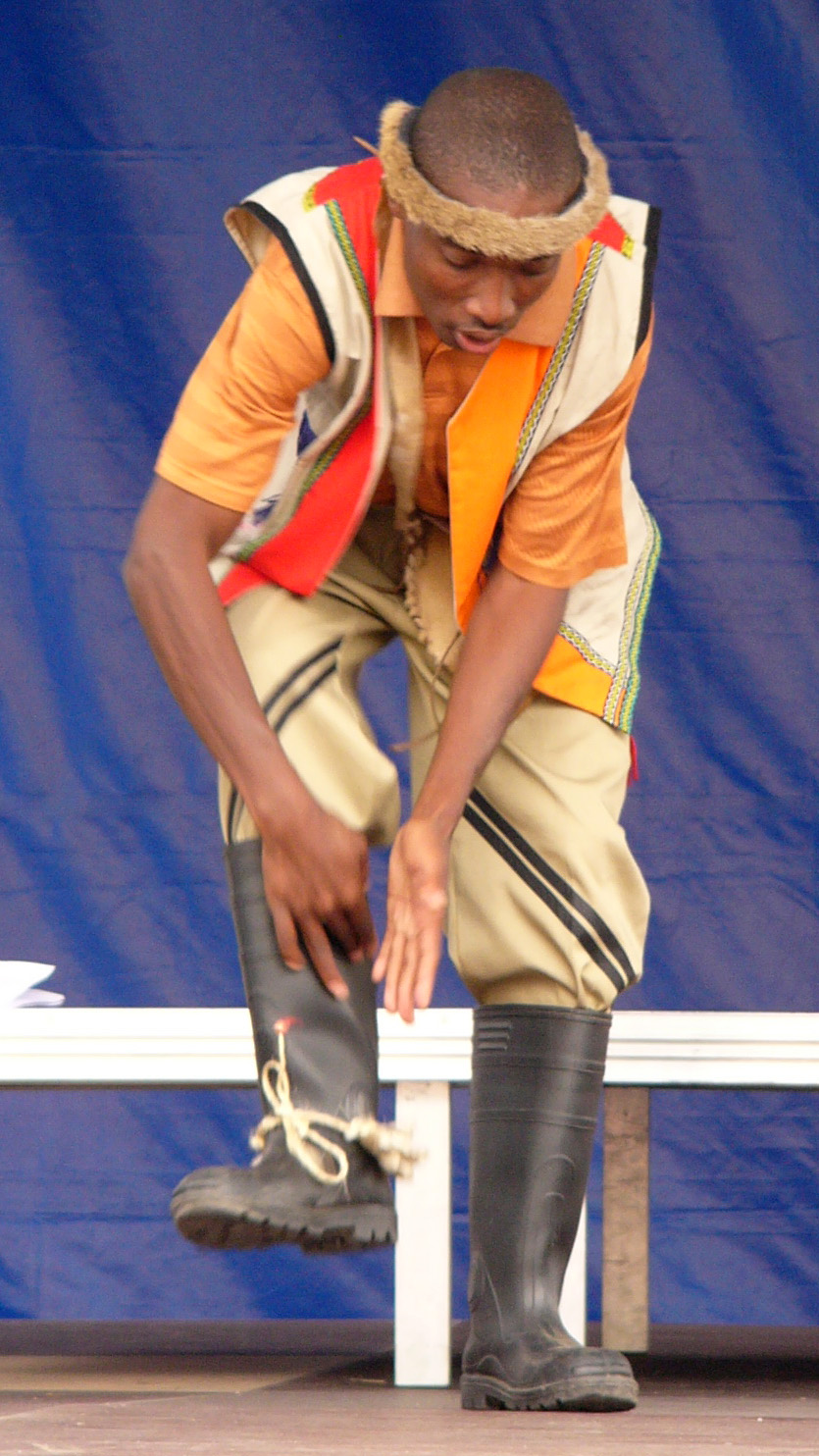 🇿🇦 South AfricaGumboot dance
A South African dance performed in rubber boots, using stamping and slapping for rhythmFolk dance · Group
🇿🇦 South AfricaGumboot dance
A South African dance performed in rubber boots, using stamping and slapping for rhythmFolk dance · Group