
Malambo
A fast, competitive dance of footwork and showmanship from Argentina’s gaucho tradition
Malambo is a folk dance from Argentina, rooted in the culture of the gauchos. Traditionally a contest between two men, it features rapid footwork, stomping, and brushing steps, often performed solo or in groups. Malambo is seen at festivals and competitions, especially in Córdoba, and now includes both male and female dancers.
Watch it dancedShare on WhatsApp
- Traditionally a duel of footwork between two gauchos
- Features rapid stomping (zapateado) and brushing (cepillado) steps
- National Malambo Festival held annually in Laborde since 1966
- Now performed by both men and women, solo or in groups
- Northern and southern styles differ in rhythm and guitar accompaniment
What is Malambo?
Malambo is a dance from Argentina, closely tied to the life of the gaucho, or South American cowboy. It is known for its energetic and intricate footwork, with dancers stomping (zapateado) and brushing (cepillado) their boots against the ground. Traditionally, two men face off in a contest of skill, but malambo can also be performed solo or in groups. The dance is marked by showmanship, rapid movement, and the sound of spurs ringing. Today, both men and women take part, and performances may include props like boleadoras (weighted cords).
Where does Malambo come from?
Malambo began among the gauchos of Argentina, with its roots traced to the early 19th century. It started as a duel between two men, each trying to outdo the other with inventive steps and rhythms. Over time, the dance spread and became a symbol of Argentine folk culture. The first musical notation appeared in 1883. While it was once an all-male tradition, recent decades have seen women participate more visibly, especially after the first women's championship in 2018.
How is Malambo danced?
The dance centers on footwork, with dancers executing fast, complex patterns. Movements include tapping, kicking, crossing the legs, and pounding the ground with the sides of the feet. Dancers often make their spurs jingle as part of the rhythm. There is no fixed choreography; each performer improvises, aiming to impress with originality and stamina. In group or quartet versions, dancers may synchronize or alternate their steps, but the focus remains on individual skill.
Malambo, drawn
The music of Malambo
Malambo is usually accompanied by guitar, with the northern style featuring a distinctive strum. The rhythm is fast and driving, supporting the dancers’ energetic steps. Sometimes, the only accompaniment is the sound of boots and spurs striking the floor. In some performances, the music pauses while dancers continue with percussive footwork alone.
Costume and what is carried
Dancers wear traditional gaucho attire: boots with spurs, wide-legged trousers, and sometimes hats. In modern performances, accessories like boleadoras or even fire may be used for dramatic effect. Women’s costumes at competitions reflect regional traditions and may include skirts or dresses, but the focus remains on the boots and footwork.


When and where Malambo is danced
Malambo is performed at festivals, especially the National Malambo Festival in Laborde, Córdoba, held every January since 1966. It is also featured at the Cosquín Folk Festival and in competitions across Argentina. While originally a test of skill between gauchos, today it is taught, performed, and celebrated by dancers of all genders and ages, with both local and national championships.
Styles of Malambo
There are two main styles: the southern (estilo sureño), which is more measured, and the northern (estilo norteño), which is faster and uses a unique guitar rhythm. Malambo can be danced solo, in pairs, quartets, or groups. Recent years have seen more women competing, and some troupes add theatrical elements or props.
What Malambo means
Malambo is a symbol of Argentine folk identity, especially linked to the image of the gaucho. It is celebrated in literature and film, and its major festivals draw dancers from all over the country. The dance has gained international attention through touring troupes and appearances on global stages. The inclusion of women in competitions marks a shift in tradition, broadening its cultural reach.
Questions people ask about Malambo
Where does malambo come from?
Malambo originated in Argentina among the gauchos, especially in the Pampas region, and has been popular since the early 19th century.
Who dances malambo?
Malambo was traditionally danced by men, but today both men and women perform it, either solo, in pairs, or in groups.
When is malambo performed?
Malambo is performed at festivals and competitions, most notably at the National Malambo Festival in Laborde every January, and at other folk events across Argentina.
What makes malambo unique?
Malambo stands out for its fast, improvised footwork, competitive spirit, and the use of boots and spurs to create rhythm.
Are there different styles of malambo?
Yes, the main styles are the southern (estilo sureño), which is more measured, and the northern (estilo norteño), which is faster and uses a distinctive guitar strum.
Good reading and sources
- Malambo (dance) on WikipediaEncyclopedia
- More photos and video on Wikimedia CommonsPhotos and video
- Wikidata recordOpen data
- Videos of Malambo on YouTubeSearch results, not chosen by Ghungroo
The facts on this page come from the Wikipedia article "Malambo (dance)", written by its contributors and used under the CC BY-SA 4.0 licence, and from its Wikidata record (CC0). Ghungroo rewrote the text in its own words, with AI assistance, and compares every page with the article to make sure no passage is copied. It may be reused under the same CC BY-SA 4.0 licence with a link back.
It may contain mistakes, and it describes the dance in outline: it is not a lesson. Traditions differ from one teacher, village or family to the next. If something is wrong, tell us. Last refreshed 2026-10-03.
More from Argentina
All the dances of Argentina 🇦🇷 Argentina and 1 moreTango
A partner dance from the Río de la Plata, danced in close or open embraceSocial dance · Couple
🇦🇷 Argentina and 1 moreTango
A partner dance from the Río de la Plata, danced in close or open embraceSocial dance · Couple
 🇦🇷 Argentina and 1 moreChacarera
A partner dance with foot stomping and handkerchiefs from rural ArgentinaFolk dance · Couple · Group
🇦🇷 Argentina and 1 moreChacarera
A partner dance with foot stomping and handkerchiefs from rural ArgentinaFolk dance · Couple · Group
 🇨🇱 Chile and 3 moreCueca
A partner dance with handkerchiefs, tracing circles in Chile, Bolivia, and PeruFolk dance · Couple · Solo
🇦🇷 Argentina and 3 moreZamba
A slow partner dance from Argentina, with couples circling and waving white handkerchiefsFolk dance · Couple · Circle
🇨🇱 Chile and 3 moreCueca
A partner dance with handkerchiefs, tracing circles in Chile, Bolivia, and PeruFolk dance · Couple · Solo
🇦🇷 Argentina and 3 moreZamba
A slow partner dance from Argentina, with couples circling and waving white handkerchiefsFolk dance · Couple · Circle
Its cousins elsewhere
All folk dances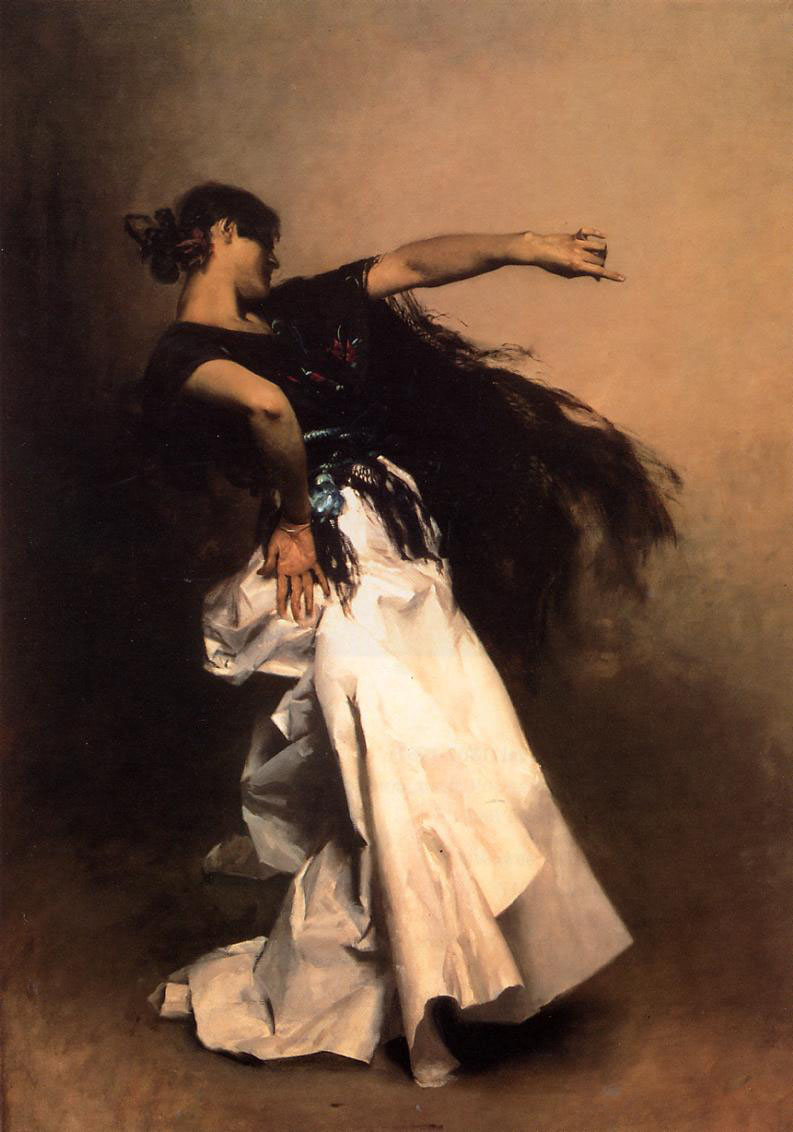 🇪🇸 SpainFlamenco
A dramatic dance and music tradition rooted in Andalusia's gitano and folk culturesFolk dance · Solo · Group
🇪🇸 SpainFlamenco
A dramatic dance and music tradition rooted in Andalusia's gitano and folk culturesFolk dance · Solo · Group
 🇨🇿 Czech Republic and 5 morePolka
A lively partner dance in 2/4 time from 19th-century BohemiaFolk dance · Couple · Circle
🇨🇿 Czech Republic and 5 morePolka
A lively partner dance in 2/4 time from 19th-century BohemiaFolk dance · Couple · Circle
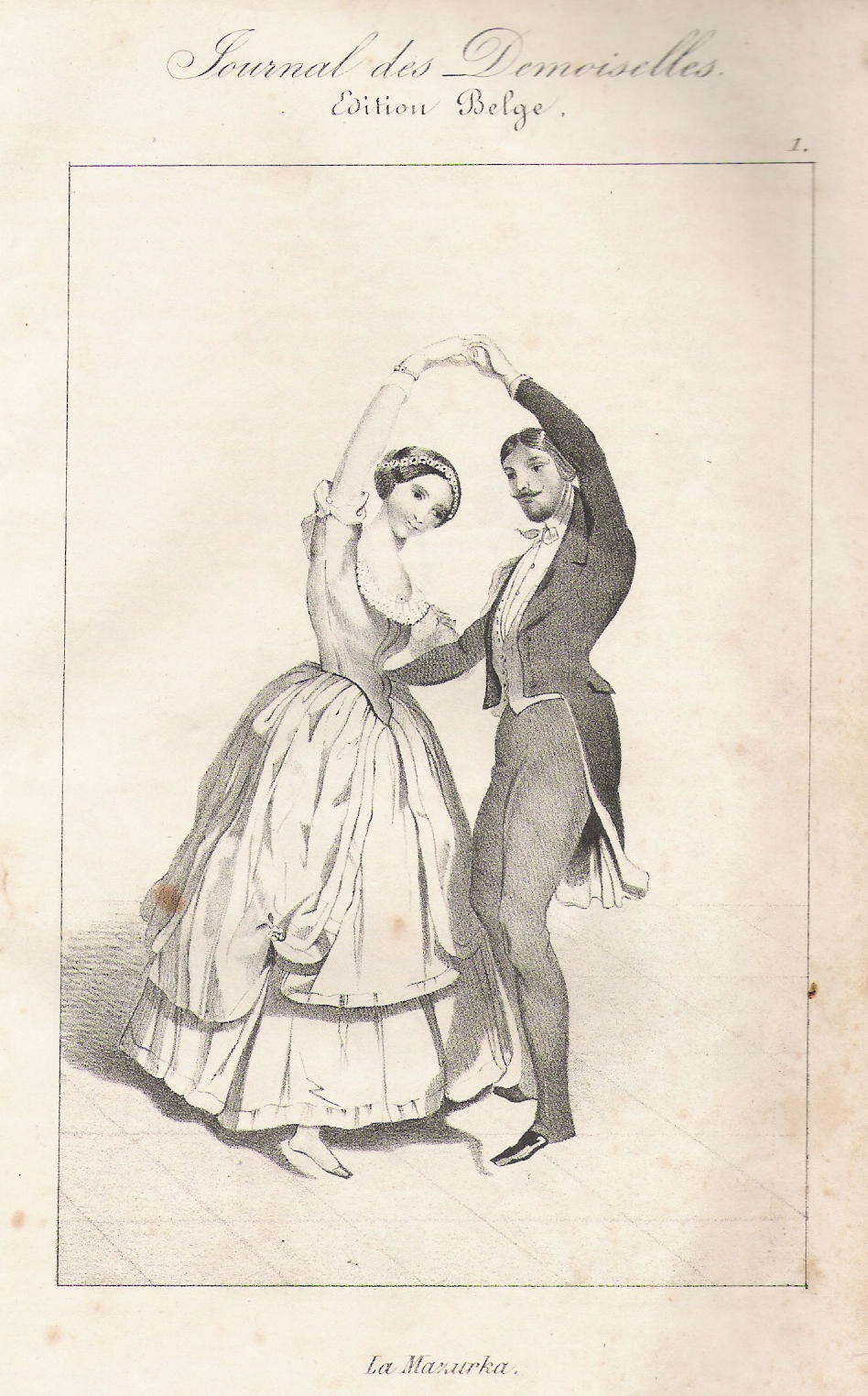 🇵🇱 Poland and 5 moreMazurka
A lively Polish folk dance in triple time, known for its shifting accentsFolk dance · Couple · Group
🇵🇱 Poland and 5 moreMazurka
A lively Polish folk dance in triple time, known for its shifting accentsFolk dance · Couple · Group
 🇪🇸 Spain and 5 morePasodoble
A dramatic Spanish partner dance set to march-like music, echoing the bullfightFolk dance · Couple · Group
🇪🇸 Spain and 5 morePasodoble
A dramatic Spanish partner dance set to march-like music, echoing the bullfightFolk dance · Couple · Group