
Piring dance
In its own language: Tari Piring
A Minangkabau plate dance from West Sumatra where dancers balance spinning ceramics on their palms.
The Piring dance is a traditional performance of the Minangkabau people in West Sumatra, Indonesia. Dancers hold ceramic plates in each hand, spinning them rapidly while maintaining balance and creating rhythmic sounds with rings against the china.
Watch it dancedShare on WhatsApp
- Dancers spin ceramic plates on their palms without dropping them.
- Originates from Solok, West Sumatra, among the Minangkabau people.
- Rings tap against plates to create rhythmic percussion sounds.
- Originally a harvest thanksgiving ritual before Islamic influence.
- Tempo accelerates from slow to fast throughout the performance.
What is Piring dance?
This is a traditional Indonesian dance performed by the Minangkabau community. It features dancers holding a ceramic plate in each hand. They spin the plates quickly using wrist movements and body inertia. The performance requires high balance skills to keep the plates from falling or breaking. Dancers often wear bright red and yellow clothing with headgear. The group size is usually odd, ranging from three to seven performers.
Where does Piring dance come from?
The dance originates from Solok in West Sumatra. Legends suggest it began as a fertility ritual and a thanksgiving ceremony for abundant harvests. Participants carried food offerings on plates during these early rites. After Islam arrived in the region, the spiritual purpose faded. The practice shifted toward entertainment and public display at cultural events.
How is Piring dance danced?
Dancers place plates flat on their palms. They swing the plates vigorously in circular motions. A ring worn on one finger taps against the ceramic surface. This tapping creates a percussive sound that accompanies the music. At the end of the routine, dancers may throw the plates to the floor. They then continue dancing on the broken shards without stopping.
Piring dance, drawn
The music of Piring dance
The accompaniment uses talempong gongs and saluang bamboo flutes. The rhythm starts at a moderate pace. As the dance progresses, the tempo increases significantly. The speed matches the frantic energy of the spinning plates. The metallic clinking of rings adds a distinct sonic layer to the ensemble.
Costume and what is carried
Performers wear brightly colored outfits. Red and yellow are the dominant shades. Headgear completes the traditional attire. In some variations called candle dances, lit candles are placed on the spinning plates. This adds an extra challenge to the balancing act.


When and where Piring dance is danced
It serves as a welcoming dance for guests and elders. The performance honors visitors at traditional ceremonies. It is also featured in festivals abroad to promote Indonesian tourism. The dance showcases local heritage to international audiences.
Styles of Piring dance
A specific version known as the candle dance exists. This variant places lit candles on the plates instead of just empty dishes. The added weight and flame increase the difficulty level. Other related forms include randai and saman, but piring remains distinct due to its prop usage.
What Piring dance means
The dance represents deep ancestral values of the Minangkabau people. It transitioned from sacred gratitude rituals to secular entertainment. Today, it stands alongside other popular Indonesian dances like jaipongan. It plays a key role in cultural diplomacy and national identity promotion.
Questions people ask about Piring dance
Where does the Piring dance come from?
It originates in Solok, located in the West Sumatra province of Indonesia. It is a traditional art form of the Minangkabau ethnic group.
What do the dancers hold during the performance?
Each dancer holds a ceramic plate in each hand. Some variations use lit candles placed on top of the spinning plates for added difficulty.
Why was this dance originally created?
Historical legends state it began as a fertility ritual and a thanksgiving offering to gods for abundant harvests, involving food on plates.
How is the music structured?
It uses talempong gongs and saluang flutes. The music begins at a regular pace and gradually speeds up to match the dancers' movements.
When is the Piring dance typically performed?
It is used as a ceremonial welcome for honored guests and elders. It also appears at cultural festivals to showcase Indonesian heritage.
Good reading and sources
- Piring dance on WikipediaEncyclopedia
- More photos and video on Wikimedia CommonsPhotos and video
- Wikidata recordOpen data
- Videos of Piring dance on YouTubeSearch results, not chosen by Ghungroo
The facts on this page come from the Wikipedia article "Piring dance", written by its contributors and used under the CC BY-SA 4.0 licence, and from its Wikidata record (CC0). Ghungroo rewrote the text in its own words, with AI assistance, and compares every page with the article to make sure no passage is copied. It may be reused under the same CC BY-SA 4.0 licence with a link back.
It may contain mistakes, and it describes the dance in outline: it is not a lesson. Traditions differ from one teacher, village or family to the next. If something is wrong, tell us. Last refreshed 2026-10-03.
More from Indonesia
All the dances of Indonesia 🇨🇳 China and 5 moreLion dance舞獅
A costumed dance that mimics a lion to bring luck and drive away evilFolk dance · Group · Procession
🇨🇳 China and 5 moreLion dance舞獅
A costumed dance that mimics a lion to bring luck and drive away evilFolk dance · Group · Procession
 🇮🇩 IndonesiaLegongᬮᬾᬕᭀᬂ
A Balinese dance with intricate finger, foot and facial movementsFolk dance · Group
🇮🇩 IndonesiaLegongᬮᬾᬕᭀᬂ
A Balinese dance with intricate finger, foot and facial movementsFolk dance · Group
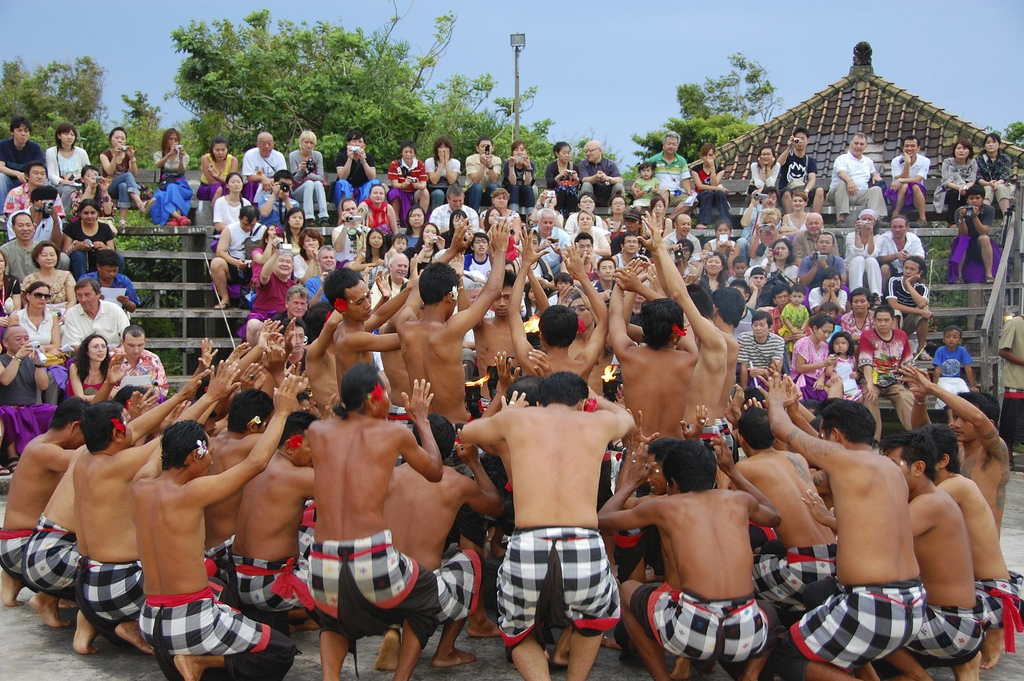 🇮🇩 IndonesiaKecakᬓᬾᬘᬓ᭄
A massed chant and dance-drama from Bali, performed in a circle at duskFolk dance · Circle · Group
🇮🇩 IndonesiaKecakᬓᬾᬘᬓ᭄
A massed chant and dance-drama from Bali, performed in a circle at duskFolk dance · Circle · Group
 🇮🇩 IndonesiaPendetᬧᭂᬦ᭄ᬤᭂᬢ᭄
A Balinese dance where girls offer flowers to greet guests and spiritsFolk dance · Group
🇮🇩 IndonesiaPendetᬧᭂᬦ᭄ᬤᭂᬢ᭄
A Balinese dance where girls offer flowers to greet guests and spiritsFolk dance · Group
Its cousins elsewhere
All folk dances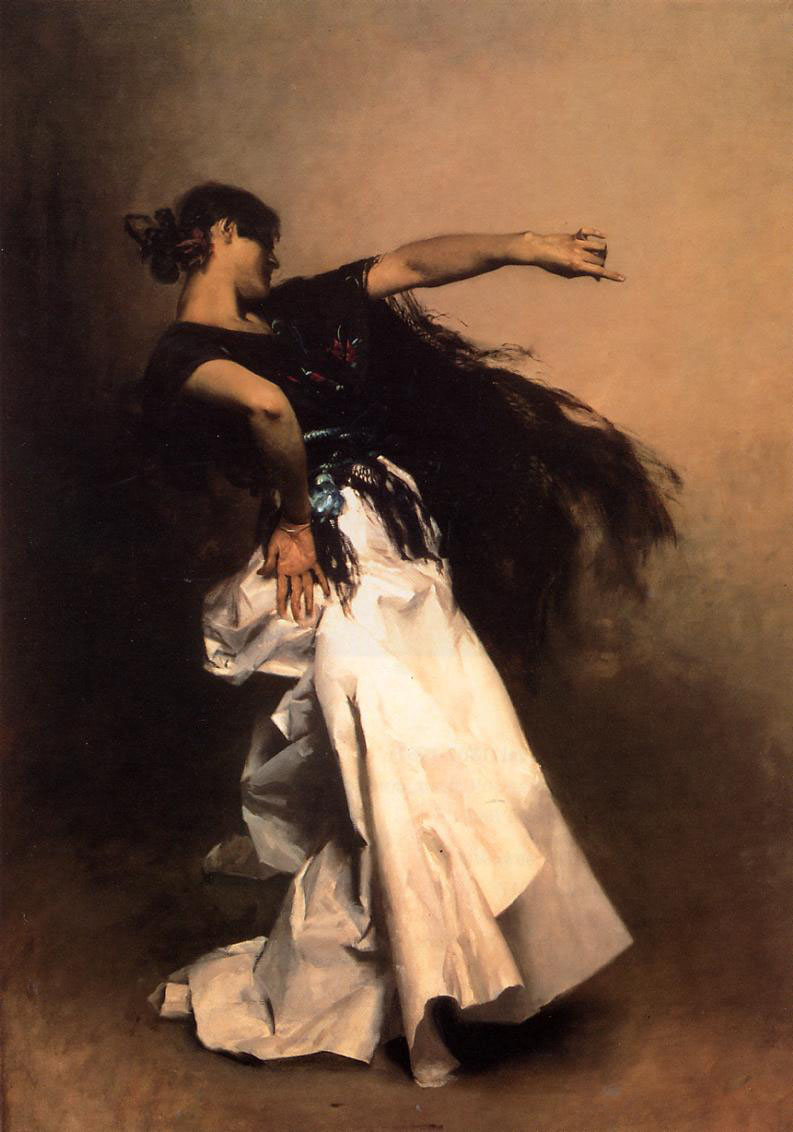 🇪🇸 SpainFlamenco
A dramatic dance and music tradition rooted in Andalusia's gitano and folk culturesFolk dance · Solo · Group
🇪🇸 SpainFlamenco
A dramatic dance and music tradition rooted in Andalusia's gitano and folk culturesFolk dance · Solo · Group
 🇦🇷 Argentina and 1 moreTango
A partner dance from the Río de la Plata, danced in close or open embraceSocial dance · Couple
🇦🇷 Argentina and 1 moreTango
A partner dance from the Río de la Plata, danced in close or open embraceSocial dance · Couple
 🇦🇹 Austria and 4 moreWaltz
A turning couple dance in triple time, first popular in 18th-century EuropeBallroom or Latin dance · Couple
🇦🇹 Austria and 4 moreWaltz
A turning couple dance in triple time, first popular in 18th-century EuropeBallroom or Latin dance · Couple
 🇧🇷 BrazilCapoeira
A Brazilian martial art that blends dance, acrobatics, and music in a circle gameWar or martial dance · Circle · Solo
🇧🇷 BrazilCapoeira
A Brazilian martial art that blends dance, acrobatics, and music in a circle gameWar or martial dance · Circle · Solo