
Subli
A devotional folk dance of Batangas honouring the Holy Cross with hats and castanets
Subli is a devotional Catholic folk dance from Batangas in the Philippines, performed by paired men and women to honour the Holy Cross. Dancers offer prayers through stooped steps, ribboned straw hats, and rhythmic wooden castanets for village feasts, healing, and personal vows.
Watch it dancedShare on WhatsApp
- The name comes from Tagalog terms describing the stooped, broken posture held by male dancers.
- Women dance with ribbon-trimmed straw hats, using them to salute the Holy Cross on the altar.
- Men accompany the drums by clicking wooden castanets known as kalaste.
- Performed on May 3 for the Feast of the Mahal na Poon and at life events to fulfill a vow.
What is Subli?
Subli is a Catholic ritual dance native to the province of Batangas in the Philippines. Performed by partners known as manunubli, the dance functions as a prayer to venerate the Holy Cross of Alitagtag. Men adopt low, stooped postures while snapping wooden castanets, whereas women move smoothly, manipulating ribbon-trimmed straw hats. The dancing blends chanting, rapid drum rhythms, and expressive gestures directed toward an altar. Beyond its traditional worship setting, theatrical adaptations are also staged for entertainment without the devotional element.
Where does Subli come from?
The tradition began in the Batangas municipalities of Bauan and Alitagtag, located in southwestern Luzon. According to local lore, a cruel husband who gambled and drank sent his wife late at night to fetch water. When she returned quickly from a spring near a cross-shaped tree, he trailed her back and witnessed the timber radiating a brilliant light, which led to his instant repentance. Scholars also connect the frenzied drumming style to pre-colonial animist worship that was later redirected toward Christian sacred objects.
How is Subli danced?
Participants dance in couples and alternate through different group arrangements. The name itself reflects the physical attitude of the men, derived from words meaning bent or fallen forward. Male performers stay hunched and low to the ground as they dance. In contrast, female partners stand upright, waving, lifting, and tilting their decorated headwear to salute a cross set upon the altar, combining fluid hand gestures with steady foot movements.
Subli, drawn
The music of Subli
Worship performances begin with archaic metaphorical chants intoned by women that describe the search for the sacred cross. The primary musical drive comes from persistent drumming played in a fast tempo linked to the tagunggo rhythm. Male participants mark the meter with wooden clappers called kalaste. Secular stage productions replace this percussion with instrumental tunes played by a string rondalla.
Costume and what is carried
Female dancers wear straw hats trimmed with ribbons, which serve as functional handheld props throughout the dance. The women hold, tip, and wave these accessories while paying homage before the altar. Men carry wooden castanets, known locally as kalaste, clicking them in their hands to punctuate the drum patterns as they move.
When and where Subli is danced
The principal celebration occurs every third of May for the Feast of the Mahal na Poon. Villagers also arrange the dance for personal milestones, including recovery from illness, graduations, and birthdays, to fulfill a sacred pledge known as a panata. The ritual may take place on nearly any day of the calendar, with the sole exception of the Lenten season.
Styles of Subli
Distinct regional interpretations exist across Batangas, notably in Sinala, Agoncillo, and Talumpok. The rhythm preserved in Sinala represents what many consider the original style. Aside from these sacred village customs, modern theatrical versions are adapted for concert stages, accompanied by string ensembles playing music written by Juan P. Silos instead of ritual percussion.
What Subli means
In Batangas, the dance is regarded as an embodied prayer rather than mere entertainment. Practicing it satisfies a panata, a spiritual covenant made between an individual and the divine. The synthesis of indigenous rhythmic roots with Catholic cross veneration reflects the historical evolution of faith and community identity in southwestern Luzon.
Questions people ask about Subli
Where does Subli come from?
Subli originated in the municipalities of Bauan and Alitagtag, located in Batangas province on the southwestern part of Luzon island in the Philippines. It is danced throughout Batangas in several local village traditions, including Sinala, Agoncillo, and Talumpok.
Why and when is the dance performed?
It is performed primarily on May 3 for the Feast of the Mahal na Poon honouring the Holy Cross of Alitagtag. People also dance it at birthdays, graduations, and healing rituals throughout the year, except during Lent, to fulfill a sacred pledge called a panata.
What do the dancers hold and wear?
Women dancers wear straw hats decorated with ribbons, which they take off, wave, and tip toward an altar. Male dancers hold and click wooden castanets called kalaste to accentuate the drumbeats while adopting a stooped posture.
What music accompanies the ritual?
Devotional performances feature an opening chant by women followed by rapid drumbeats and wooden castanets played by the men. Non-religious theatrical versions use instrumental music played by a string rondalla ensemble.
Good reading and sources
- Subli on WikipediaEncyclopedia
- Wikidata recordOpen data
- Videos of Subli on YouTubeSearch results, not chosen by Ghungroo
The facts on this page come from the Wikipedia article "Subli", written by its contributors and used under the CC BY-SA 4.0 licence, and from its Wikidata record (CC0). Ghungroo rewrote the text in its own words, with AI assistance, and compares every page with the article to make sure no passage is copied. It may be reused under the same CC BY-SA 4.0 licence with a link back.
It may contain mistakes, and it describes the dance in outline: it is not a lesson. Traditions differ from one teacher, village or family to the next. If something is wrong, tell us. Last refreshed 2026-10-04.
More from the Philippines
All the dances of the Philippines 🇨🇿 Czech Republic and 5 morePolka
A lively partner dance in 2/4 time from 19th-century BohemiaFolk dance · Couple · Circle
🇨🇿 Czech Republic and 5 morePolka
A lively partner dance in 2/4 time from 19th-century BohemiaFolk dance · Couple · Circle
 🇵🇭 PhilippinesDinagyang Festival
A street dance festival in Iloilo City honoring the Santo Niño and Ati historyFolk dance · Group · Procession
🇵🇭 PhilippinesDinagyang Festival
A street dance festival in Iloilo City honoring the Santo Niño and Ati historyFolk dance · Group · Procession
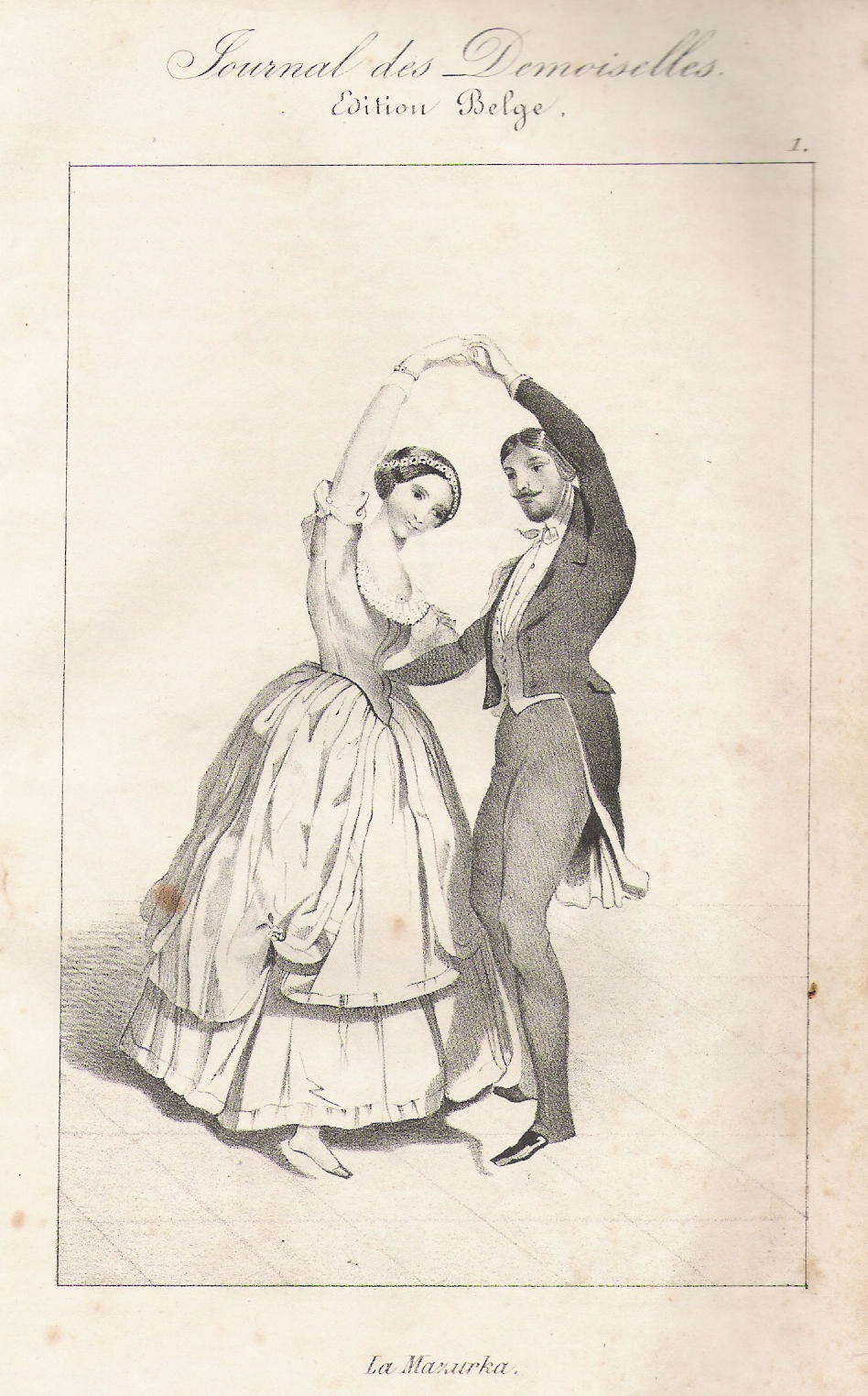 🇵🇱 Poland and 5 moreMazurka
A lively Polish folk dance in triple time, known for its shifting accentsFolk dance · Couple · Group
🇵🇱 Poland and 5 moreMazurka
A lively Polish folk dance in triple time, known for its shifting accentsFolk dance · Couple · Group
 🇪🇸 Spain and 4 moreFandango
A lively Spanish partner dance in triple meter, accompanied by guitars and castanets.Folk dance · Couple · Group
🇪🇸 Spain and 4 moreFandango
A lively Spanish partner dance in triple meter, accompanied by guitars and castanets.Folk dance · Couple · Group
Its cousins elsewhere
All folk dances 🇬🇧 United Kingdom and 5 moreMorris dance
A group folk dance from England, with bells, sticks or handkerchiefsFolk dance · Group · Procession
🇬🇧 United Kingdom and 5 moreMorris dance
A group folk dance from England, with bells, sticks or handkerchiefsFolk dance · Group · Procession
 🇰🇪 Kenya and 1 moreAdumu
A vertical leaping dance performed by Maasai warriors in a circle to show strength and agility.Folk dance · Circle
🇰🇪 Kenya and 1 moreAdumu
A vertical leaping dance performed by Maasai warriors in a circle to show strength and agility.Folk dance · Circle
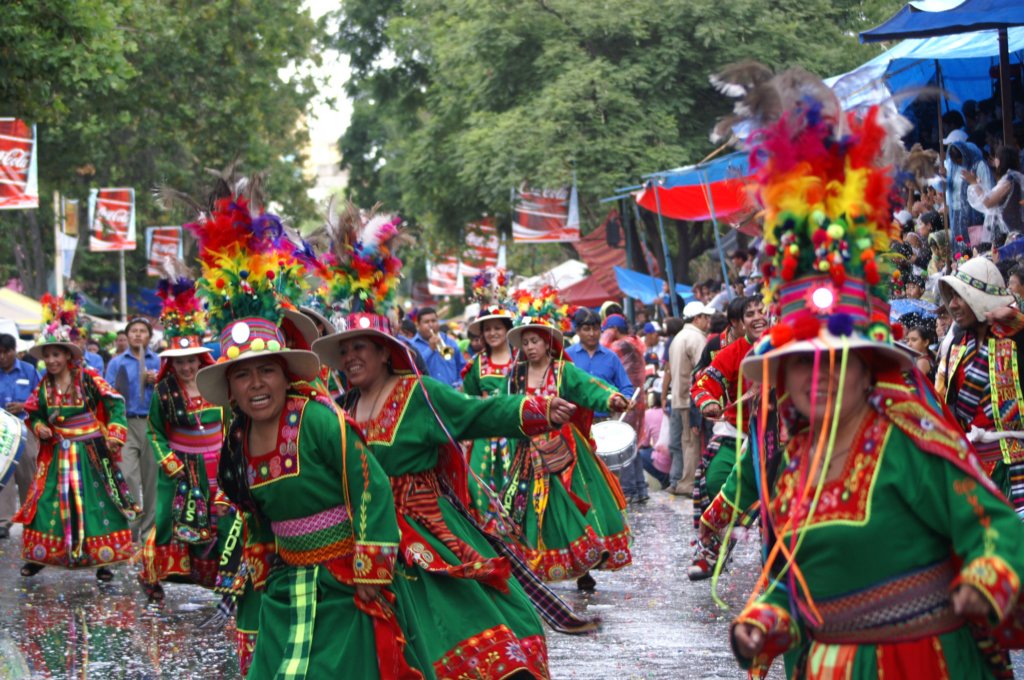 🇧🇴 BoliviaTinku
A Bolivian dance that echoes ritual combat, with bold costumes and warlike rhythmsFolk dance · Circle · Group
🇧🇴 BoliviaTinku
A Bolivian dance that echoes ritual combat, with bold costumes and warlike rhythmsFolk dance · Circle · Group
 🇨🇴 Colombia and 3 moreMapalé
A fast, energetic Afro-Colombian dance echoing the movements of fish and the seaFolk dance · Couple · Group
🇨🇴 Colombia and 3 moreMapalé
A fast, energetic Afro-Colombian dance echoing the movements of fish and the seaFolk dance · Couple · Group