Alegrías
A lively flamenco dance from Cádiz with a 12-beat rhythm
Alegrías is a flamenco dance and song form from Cádiz, Spain, known for its fast, joyful rhythm and strict structure. Dancers follow a set sequence of sections, moving through entrance, walkaround, slow adagio, upbeat passages, footwork, and ending with bulerías, all to a 12-beat pattern.
Watch it dancedShare on WhatsApp
- Alegrías uses a 12-beat rhythm with special beat accents.
- The dance comes from Cádiz in southern Spain.
- It is one of the most strictly structured flamenco forms.
- Sections include entrada, paseo, silencio, castellana, zapateado, and bulerías.
- Alegrías is part of the cantiñas group of flamenco styles.
What is Alegrías?
Alegrías is a style of flamenco dance and song that comes from Cádiz in southern Spain. The dance is known for its upbeat mood and is performed to a lively 12-beat rhythm. Dancers move through a series of set sections, combining expressive arm and hand movements with intricate footwork. The music and dance together create a joyful, energetic atmosphere.
Where does Alegrías come from?
Alegrías developed in Cádiz and belongs to the family of flamenco forms called cantiñas. Its structure and rhythm are closely related to the soleares, but it is performed at a much faster pace. Over time, alegrías became one of the most recognized and strictly structured flamenco dances, especially in performances. The name means 'joys', reflecting its bright character.
How is Alegrías danced?
A traditional alegrías dance follows a fixed sequence: it starts with a salida (entrance), continues with a paseo (walkaround), then a silencio (slow, expressive section), followed by the castellana (an upbeat part), zapateado (foot-tapping and percussive steps), and ends with bulerías. The dancer uses both graceful upper body movements and rapid, rhythmic footwork, moving alone or as part of a group.
Alegrías, drawn
The music of Alegrías
Alegrías is performed to a 12-beat cycle, with certain beats emphasized to create its distinctive rhythm. The tempo is usually fast, especially for dance, ranging from 120 to 170 beats per minute. When sung without dance, the rhythm may be slower and more flexible. The form is part of the cante chico, the lighter, more cheerful side of flamenco.
When and where Alegrías is danced
Alegrías is most often performed on stage by trained dancers, either solo or in groups. It is a staple in flamenco concerts and showcases, especially in Cádiz. The dance is learned through formal training and is an important part of the repertoire for flamenco artists.
Styles of Alegrías
While the structure of alegrías is usually strictly followed in dance, the sung version can be more flexible. When sung alone, verses may be mixed with other cantiñas forms. Different performers may bring their own interpretation, but the core sections and rhythm remain central to the dance.
What Alegrías means
Alegrías is a symbol of Cádiz's contribution to flamenco and is valued for its joyful spirit and technical demands. It is recognized as one of the most structured flamenco dances, and its performance is a mark of skill for dancers and singers alike. The style is celebrated in flamenco festivals and recordings.
Questions people ask about Alegrías
Where does alegrías come from?
Alegrías originated in Cádiz, a city in southern Spain, and is part of the flamenco tradition.
When is alegrías danced?
Alegrías is mainly performed on stage at flamenco concerts and showcases, especially in Cádiz.
What is the rhythm of alegrías?
Alegrías is danced to a 12-beat cycle, with certain beats accented to create its lively feel.
What sections make up the alegrías dance?
A traditional alegrías dance includes a salida, paseo, silencio, castellana, zapateado, and bulerías.
Is alegrías fast or slow?
Alegrías is usually performed at a fast tempo, especially when danced, often between 120 and 170 beats per minute.
Good reading and sources
- Alegrías on WikipediaEncyclopedia
- More photos and video on Wikimedia CommonsPhotos and video
- Wikidata recordOpen data
- Videos of Alegrías on YouTubeSearch results, not chosen by Ghungroo
The facts on this page come from the Wikipedia article "Alegrías", written by its contributors and used under the CC BY-SA 4.0 licence, and from its Wikidata record (CC0). Ghungroo rewrote the text in its own words, with AI assistance, and compares every page with the article to make sure no passage is copied. It may be reused under the same CC BY-SA 4.0 licence with a link back.
It may contain mistakes, and it describes the dance in outline: it is not a lesson. Traditions differ from one teacher, village or family to the next. If something is wrong, tell us. Last refreshed 2026-10-03.
More from Spain
All the dances of Spain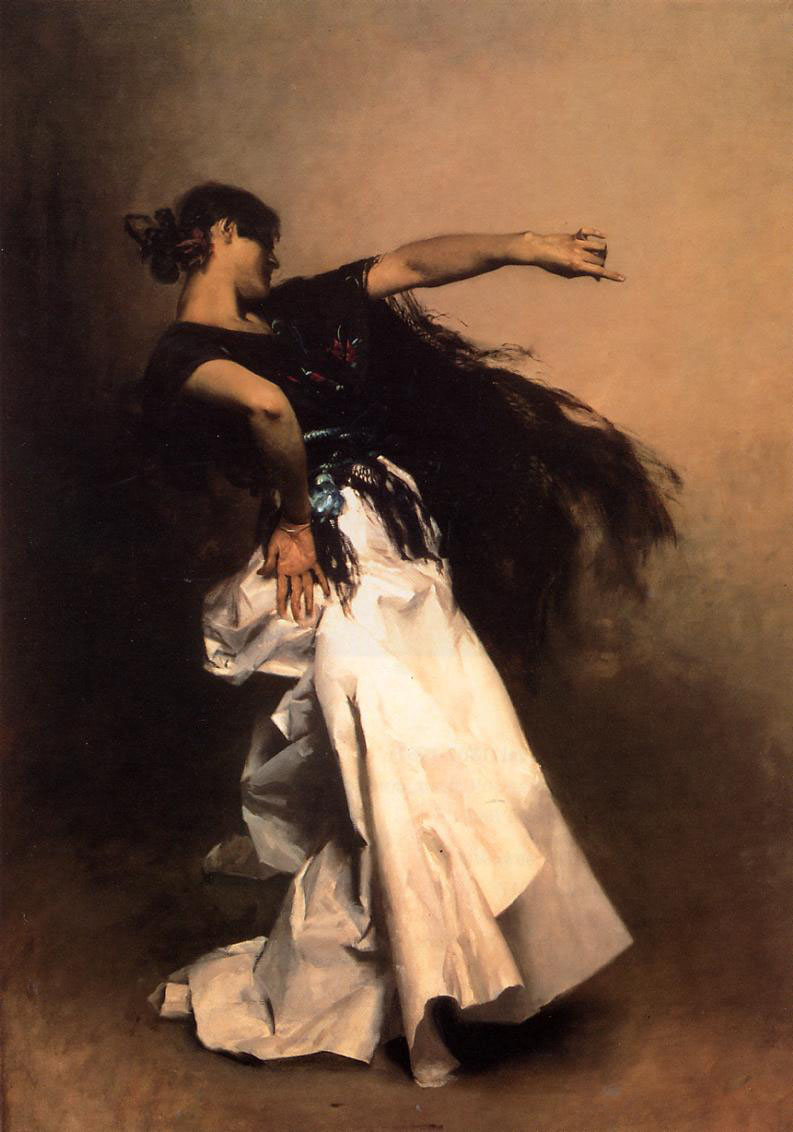 🇪🇸 SpainFlamenco
A dramatic dance and music tradition rooted in Andalusia's gitano and folk culturesFolk dance · Solo · Group
🇪🇸 SpainFlamenco
A dramatic dance and music tradition rooted in Andalusia's gitano and folk culturesFolk dance · Solo · Group
 🇧🇪 Belgium and 5 moreProcessional giant
Huge costumed figures carried and danced in European street processionsFolk dance · Solo · Procession
🇧🇪 Belgium and 5 moreProcessional giant
Huge costumed figures carried and danced in European street processionsFolk dance · Solo · Procession
 🇪🇸 Spain and 5 morePasodoble
A dramatic Spanish partner dance set to march-like music, echoing the bullfightFolk dance · Couple · Group
🇪🇸 Spain and 5 morePasodoble
A dramatic Spanish partner dance set to march-like music, echoing the bullfightFolk dance · Couple · Group
 🇪🇸 Spain and 4 moreFandango
A lively Spanish partner dance in triple meter, accompanied by guitars and castanets.Folk dance · Couple · Group
🇪🇸 Spain and 4 moreFandango
A lively Spanish partner dance in triple meter, accompanied by guitars and castanets.Folk dance · Couple · Group
Its cousins elsewhere
All folk dances 🇦🇷 Argentina and 1 moreTango
A partner dance from the Río de la Plata, danced in close or open embraceSocial dance · Couple
🇦🇷 Argentina and 1 moreTango
A partner dance from the Río de la Plata, danced in close or open embraceSocial dance · Couple
 🇮🇳 India and 1 moreFolk dance
Traditional group dances rooted in local life and passed down through generationsFolk dance · Group · Circle
🇮🇳 India and 1 moreFolk dance
Traditional group dances rooted in local life and passed down through generationsFolk dance · Group · Circle
 🇧🇷 BrazilCapoeira
A Brazilian martial art that blends dance, acrobatics, and music in a circle gameWar or martial dance · Circle · Solo
🇧🇷 BrazilCapoeira
A Brazilian martial art that blends dance, acrobatics, and music in a circle gameWar or martial dance · Circle · Solo
 🇪🇬 Egypt and 3 moreBelly danceرقص شرقي
A Middle Eastern dance focused on hip and torso articulation.Folk dance · Solo
🇪🇬 Egypt and 3 moreBelly danceرقص شرقي
A Middle Eastern dance focused on hip and torso articulation.Folk dance · Solo