
Sagayan
A Philippine war dance reenacting the epic deeds of Prince Bantugan
Sagayan is a traditional Filipino martial performance from Mindanao. Dancers from the Maguindanao, Maranao, and Iranun communities enact the battles of Prince Bantugan using swords and shields.
Watch it dancedShare on WhatsApp
- Depicts Prince Bantugan's battles
- Uses shell noisemakers on shields
- Features a double-tipped sword
- Colors include red, green, yellow
- Name means headhunter in Tausug
What is Sagayan?
This is a dramatic war dance from the Philippines. It tells the story of Prince Bantugan through movement. Performers act as fierce warriors. They use props to show his armor and weapons. The dance shows his steps, battles, and victory. It comes from the Maguindanao, Maranao, and Iranun peoples.
Where does Sagayan come from?
The name comes from the Tausug word sagay, meaning headhunter. The dance depicts scenes from the Darangen epic. It focuses on Prince Bantugan's life. The choreography follows his heroic journey. The tradition preserves these ancient stories through physical action.
How is Sagayan danced?
Dancers move in a group formation. They carry shields and swords. One hand holds a shield with shell noisemakers. The other holds a kampilan sword. The movements are dramatic and fierce. They mimic the hero's actions in battle. The performance enacts specific historical events.
Sagayan, drawn
The music of Sagayan
The sound comes from attached props. Shells on shields create noise. Small bells on the shield jingle. There is no mention of specific instruments. The rhythm is driven by the dancers' gear. The sounds accompany the dramatic steps.
Costume and what is carried
Dancers wear mythological armor. They use a kapasti headdress with mirrors. Some wear a sayap conical hat with feathers. Skirts have red, green, and yellow tiers. They carry a wooden klong shield. A large double-tipped sword is worn. Animal hair decorates the sword hilt.
When and where Sagayan is danced
The dance is performed for audiences. It showcases cultural heritage. It is practiced by specific ethnic groups. The Maguindanao people interpret the costumes. The performance keeps the Darangen epic alive. It is not tied to a single festival.
Styles of Sagayan
Different groups have unique styles. The Maguindanao use a feathered sayap hat. Others might use the mirror kapasti. The skirt colors remain consistent. These variations reflect local traditions. Each community adapts the epic narrative.
What Sagayan means
Sagayan honors Prince Bantugan. It connects to the Darangen epic. This work is recognized as heritage. The dance preserves warrior history. It strengthens community identity. The performance is a visual storytelling method.
Questions people ask about Sagayan
What is Sagayan?
It is a Philippine war dance. It dramatizes the life of Prince Bantugan. Dancers use swords and shields. It comes from Mindanao communities.
Where does it come from?
It originates in the Philippines. It is performed by Maguindanao, Maranao, and Iranun peoples. The name derives from the Tausug language.
What do dancers wear?
They wear colorful tiered skirts. Headdresses have mirrors or feathers. They carry wooden shields and swords. Animal hair decorates the weapon hilts.
What story does it tell?
It follows the Darangen epic. It shows Prince Bantugan's armor. The dance enacts his wars. It concludes with his victory.
Good reading and sources
- Sagayan on WikipediaEncyclopedia
- More photos and video on Wikimedia CommonsPhotos and video
- Wikidata recordOpen data
- Videos of Sagayan on YouTubeSearch results, not chosen by EveryGhunghroo
The facts on this page come from the Wikipedia article "Sagayan", written by its contributors and used under the CC BY-SA 4.0 licence, and from its Wikidata record (CC0). EveryGhunghroo rewrote the text in its own words, with AI assistance, and compares every page with the article to make sure no passage is copied. It may be reused under the same CC BY-SA 4.0 licence with a link back.
It may contain mistakes, and it describes the dance in outline: it is not a lesson. Traditions differ from one teacher, village or family to the next. If something is wrong, tell us. Last refreshed 2026-10-04.
More from the Philippines
All the dances of the Philippines 🇨🇿 Czech Republic and 5 morePolka
A lively partner dance in 2/4 time from 19th-century BohemiaFolk dance · Couple · Circle
🇨🇿 Czech Republic and 5 morePolka
A lively partner dance in 2/4 time from 19th-century BohemiaFolk dance · Couple · Circle
 🇵🇭 PhilippinesDinagyang Festival
A street dance festival in Iloilo City honoring the Santo Niño and Ati historyFolk dance · Group · Procession
🇵🇭 PhilippinesDinagyang Festival
A street dance festival in Iloilo City honoring the Santo Niño and Ati historyFolk dance · Group · Procession
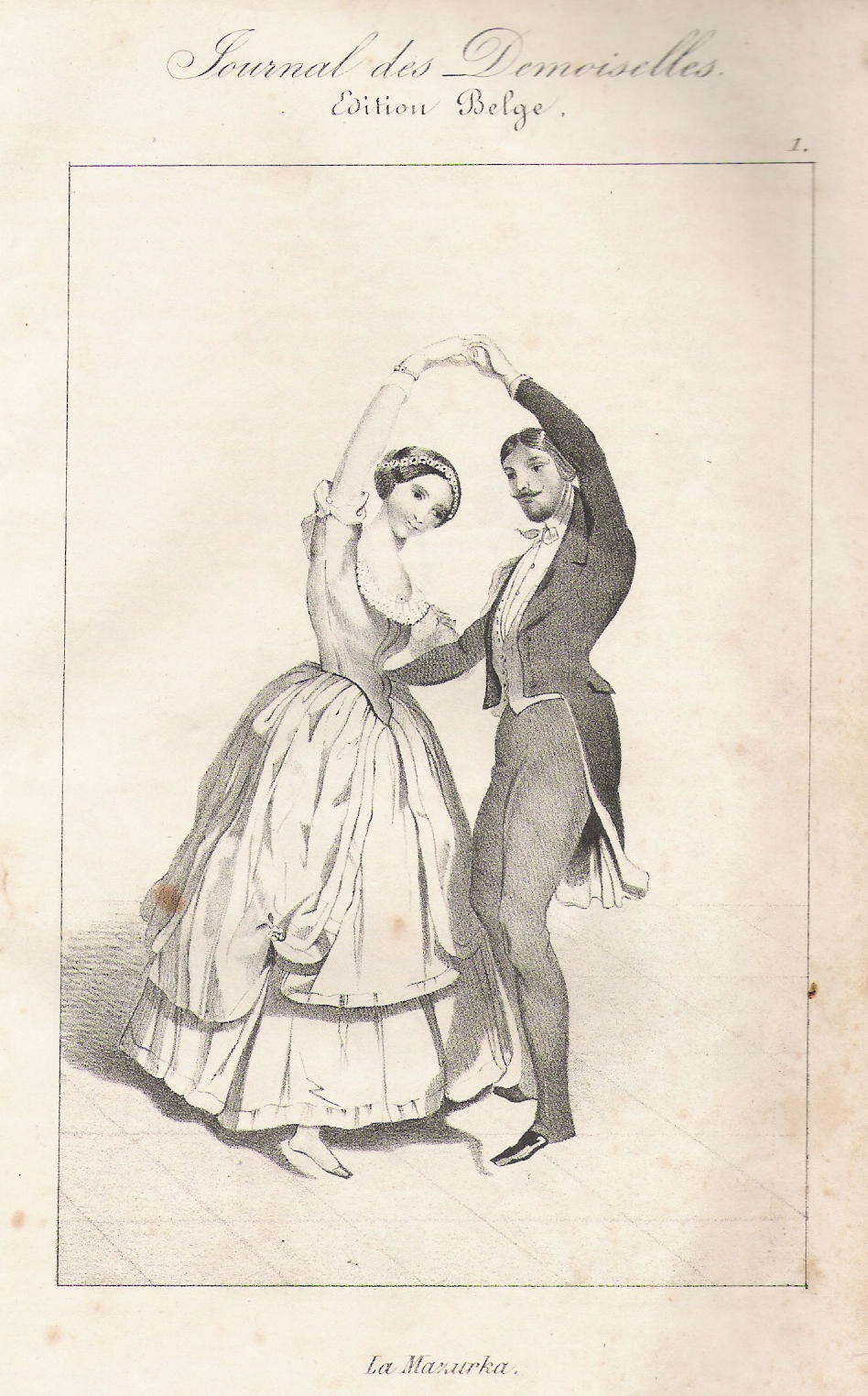 🇵🇱 Poland and 5 moreMazurka
A lively Polish folk dance in triple time, known for its shifting accentsFolk dance · Couple · Group
🇵🇱 Poland and 5 moreMazurka
A lively Polish folk dance in triple time, known for its shifting accentsFolk dance · Couple · Group
 🇪🇸 Spain and 4 moreFandango
A lively Spanish partner dance in triple meter, accompanied by guitars and castanets.Folk dance · Couple · Group
🇪🇸 Spain and 4 moreFandango
A lively Spanish partner dance in triple meter, accompanied by guitars and castanets.Folk dance · Couple · Group
Its cousins elsewhere
All folk dances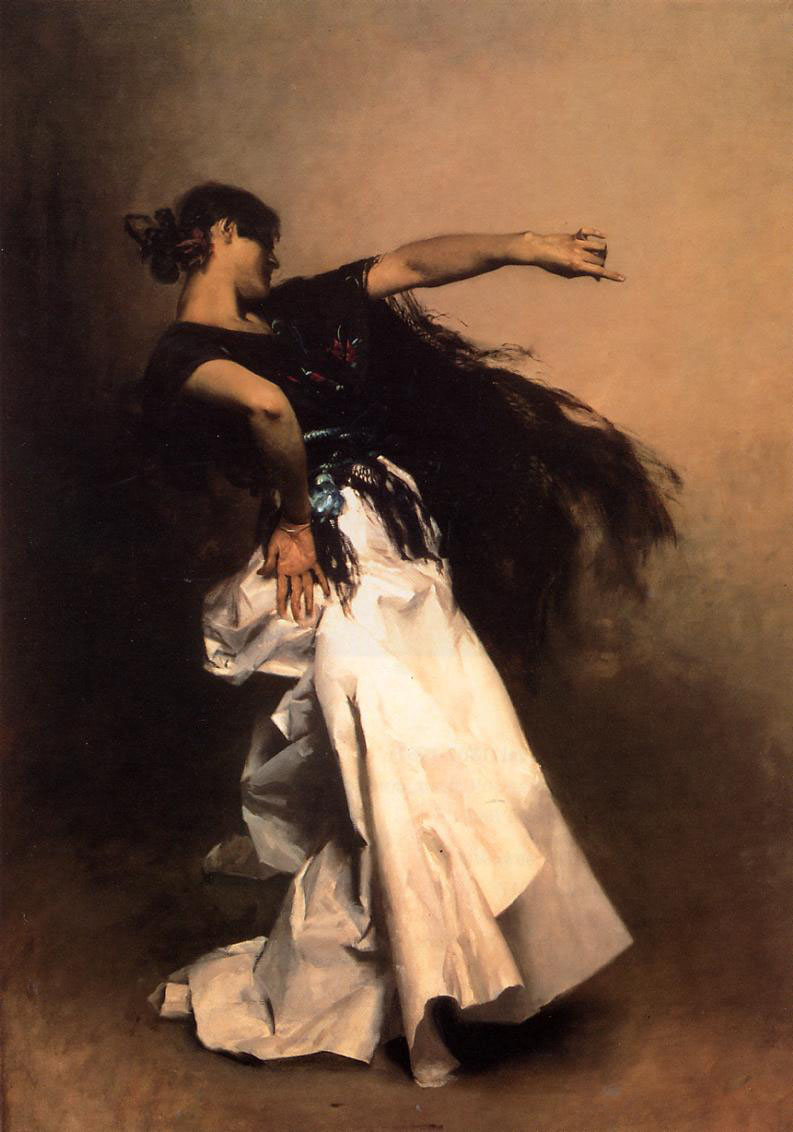 🇪🇸 SpainFlamenco
A southern Spanish art form of rhythmic footwork, singing, and acoustic guitarFolk dance · Solo · Group
🇪🇸 SpainFlamenco
A southern Spanish art form of rhythmic footwork, singing, and acoustic guitarFolk dance · Solo · Group
 🇦🇹 Austria and 5 moreWaltzWalzer
A gliding partner dance in triple time, performed in a turning closed embraceBallroom or Latin dance · Couple · Set or square
🇦🇹 Austria and 5 moreWaltzWalzer
A gliding partner dance in triple time, performed in a turning closed embraceBallroom or Latin dance · Couple · Set or square
 🇧🇷 BrazilCapoeira
A Brazilian martial art that blends dance, acrobatics, and music in a circle gameWar or martial dance · Circle · Solo
🇧🇷 BrazilCapoeira
A Brazilian martial art that blends dance, acrobatics, and music in a circle gameWar or martial dance · Circle · Solo
 🇪🇬 Egypt and 3 moreBelly danceرقص شرقي
A Middle Eastern dance focused on hip and torso articulation.Folk dance · Solo
🇪🇬 Egypt and 3 moreBelly danceرقص شرقي
A Middle Eastern dance focused on hip and torso articulation.Folk dance · Solo